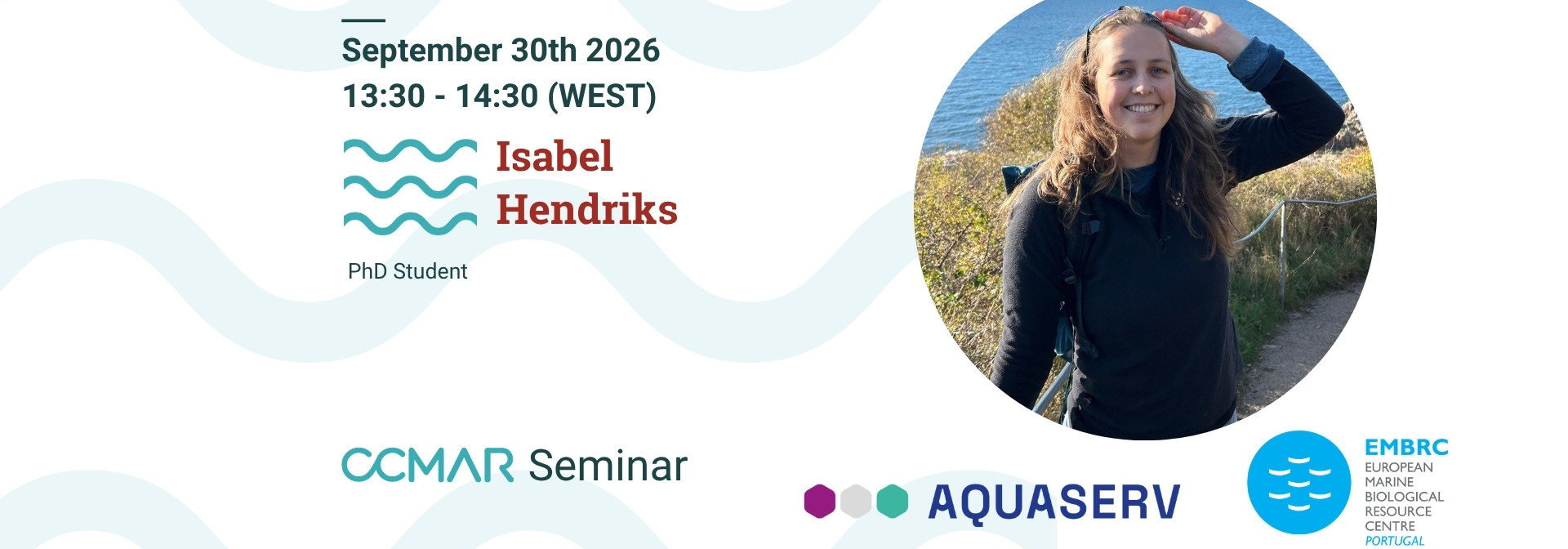
In this seminar, Isabel Hendriks will present the Jellyscope, a non-invasive in-situ imaging instrument designed to monitor gelatinous zooplankton and overcome some of the limitations of traditional net sampling.
The instrument continuously captures high-resolution images using infrared light of organisms drifting through a 0.7 L observation volume. A deep learning pipeline is then used to automatically classify the organisms detected.
With the ability to detect organisms ranging from 2 mm to 10 cm, the Jellyscope offers a novel approach for the continuous observation and monitoring of gelatinous zooplankton in their natural environment.
About the speaker
Isabel Hendriks is a PhD candidate in Computational Science at Lund University, cross-disciplinary scientist developing methods for monitoring zooplankton in-situ using deep-learning based image analysis.
Attendance is free, but registration is mandatory.
Related events