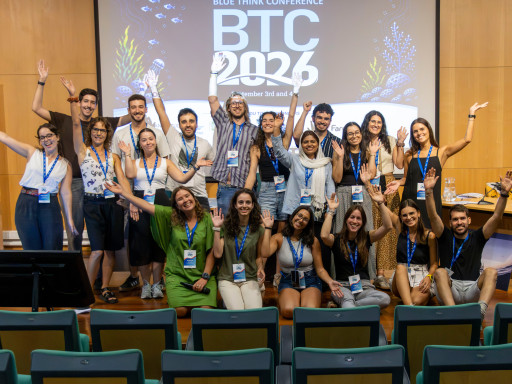
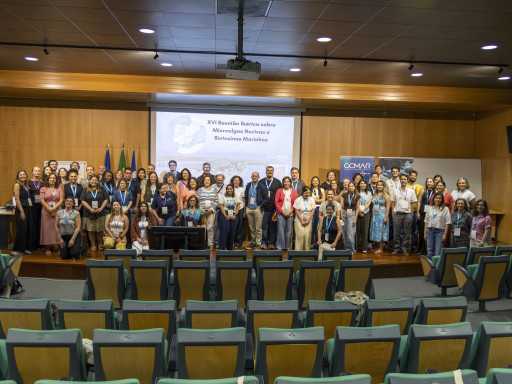
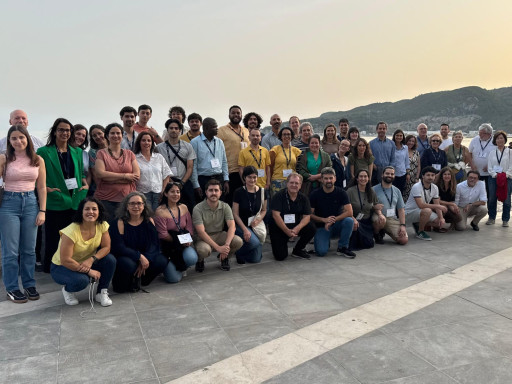
Portuguese and Chinese researchers gathered on the UAlg campus for two days of science. But behind the presentations and scientific discussions lay a wider question: what role might cooperation between Portugal and China play in the future?
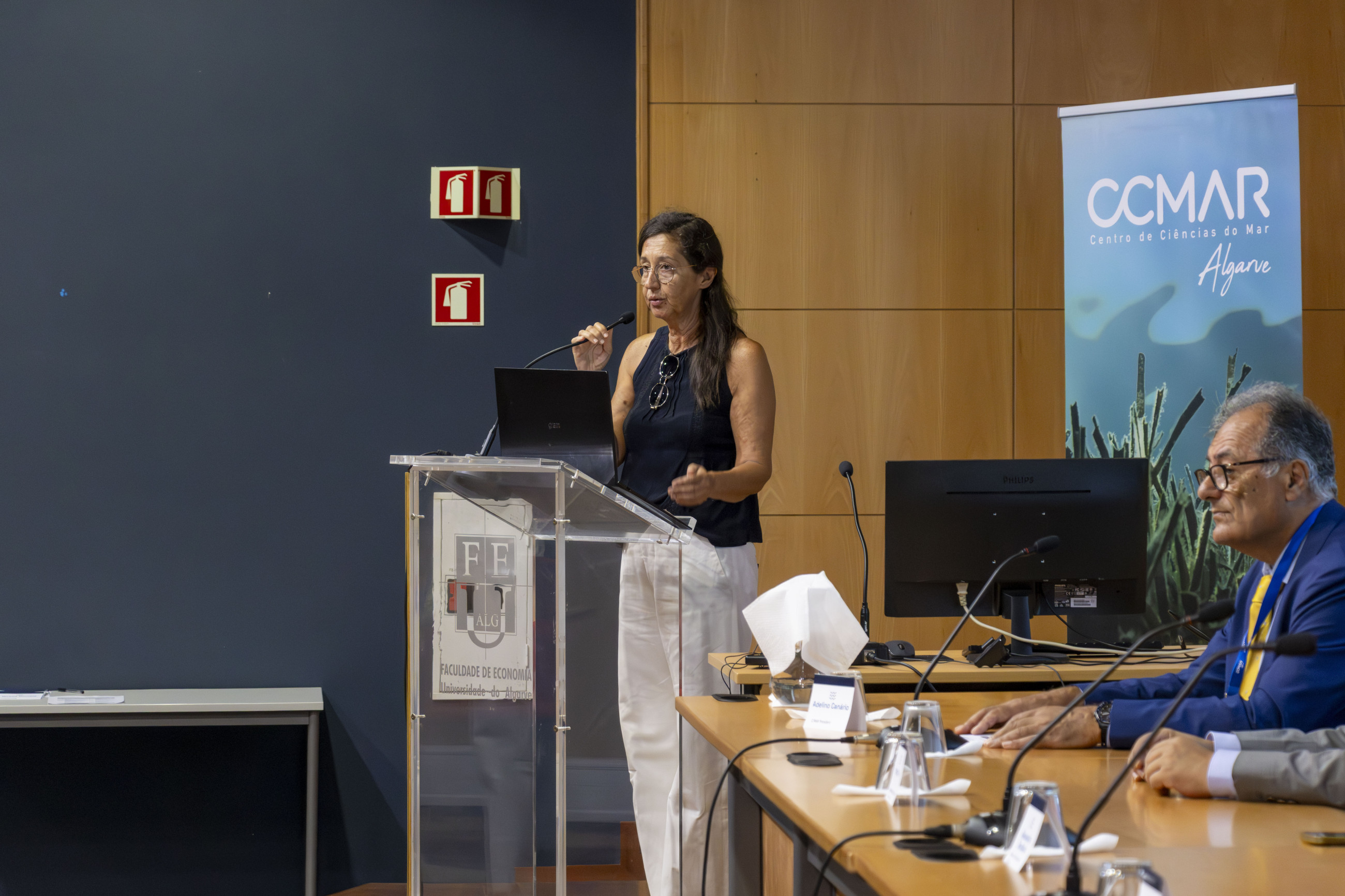
The 6th Annual Meeting of the International Joint Research Centre for Marine Sciences, which took place alongside the CCMAR Symposium, set the tone for the start of the event, which brought together researchers, students and representatives from scientific and government institutions in Portugal and China last Wednesday, 23 September.
The two days that followed were designed as a scientific conference: presentations on marine ecosystems, climate change, aquaculture, biotechnology, health, data science and artificial intelligence. But the opening session quickly showed that this event would go further, serving also to discuss the future of a scientific relationship built up over more than a decade between the two countries.
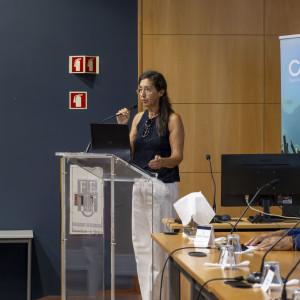
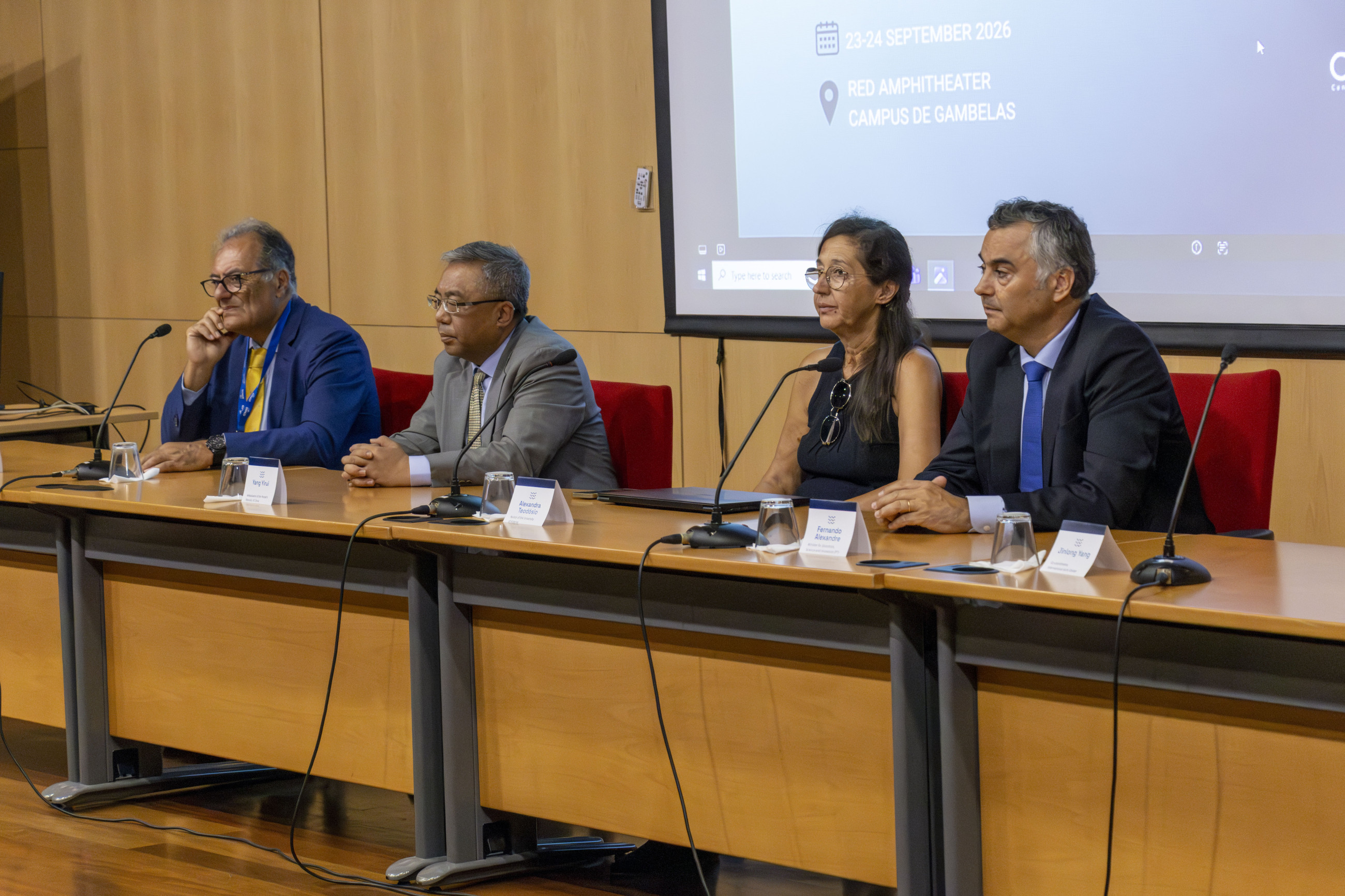
“Across the world, we are facing increasingly complex environmental, social and economic challenges, and scientific cooperation has become not only valuable but essential,” said Alexandra Teodósio, Vice-Chancellor of the University of the Algarve, addressing Portuguese and Chinese researchers.
The history of this collaboration did not begin here
In 2012, the Centre for Marine Sciences, the University of the Algarve and Shanghai Ocean University entered into a partnership that would grow stronger in the years that followed. In 2014, two workshops held in Lisbon, with the support of the Foundation for Science and Technology (FCT) and the National Natural Science Foundation of China (NSFC), led to more concrete proposals for strengthening scientific collaboration between the two countries. That same year, a memorandum of understanding on cooperation in research and innovation in the field of marine sciences was signed.
In September 2017, the collaboration was formalised with the creation of the International Joint Research Centre for Marine Sciences, involving CCMAR, the University of the Algarve and Shanghai Ocean University.
Since then, the partnership has moved from a declaration of intent to concrete activities: joint research projects, summer schools, joint supervision of students, and exchanges of researchers and students. It was precisely this continuity that Adelino Canário, president of CCMAR, highlighted at the event’s opening ceremony.

“Today and tomorrow we have a wide-ranging programme of scientific presentations and knowledge-sharing, and we look forward to new collaborations,” said Adelino Canário, Chair of the CCMAR Board.
Portuguese science is also setting its priorities
The meeting took place at a particularly significant time for Portuguese science policy.
Portugal is currently reorganising its research and innovation system. The new Agency for Research and Innovation (AI²),i created in 2025 through the transformation of the National Innovation Agency and its merger with the FCT, has assumed responsibility for promoting, funding and evaluating science, research, knowledge transfer, technological development and innovation.
It was against this backdrop that Fernando Alexandre, Minister for Education, Science and Innovation, took the discussion beyond national borders.

“Portugal is currently discussing which areas are the most strategic for our country,” he explained during the opening session. “I am certain that ocean sciences and marine sciences will be one of them,” said Fernando Alexandre, Minister for Education, Science and Innovation.
This is a particularly significant moment for a partnership such as the one CCMAR maintains with Chinese institutions: a framework for cooperation is already in place, teams are working together, and experience has been accumulated. The challenge now is to determine how these relationships can be supported and expanded within the new framework.
The Centre’s Director, Adelino Canário, raised this issue himself at the opening of the meeting, noting that almost ten years have passed since this framework for cooperation was established and calling for access to new funding mechanisms capable of supporting scientific collaboration and exchange between the two countries.
Diverse discussions and interactions
Over the following two days, the discussion covered a wide range of topics, mostly related to the research carried out at the Algarve Marine Science Centre, and revealing the enormous breadth of marine research conducted there.
The scientific programme featured 26 presentations by researchers from CCMAR, the University of the Algarve and Shanghai Ocean University. There was opportunity to discuss the effectiveness of marine protected areas and open science; data science tools for monitoring ecosystem functioning; environmental changes recorded in past sediments; marine ecotoxicology; food webs and heatwaves; the movements of marine animals; and sustainable ocean management.
The presentations on aquaculture touched upon issues of animal welfare and sustainable nutrition. Biotechnology shifted the discussion towards marine compounds, medicines, biotoxins and the therapeutic potential of marine organisms. Other presentations also explored artificial intelligence and bioimaging, evolution, microbiology, cetacean conservation, food safety of bivalves and algal biotechnology.
More than just a list of areas, these presentations demonstrated different ways of looking at the same system: the ocean as an ecological space, an economic resource, an environmental archive, a source of new compounds and a subject for the exploration of increasingly sophisticated technologies.
It is also within this diversity that international collaboration finds room to grow.
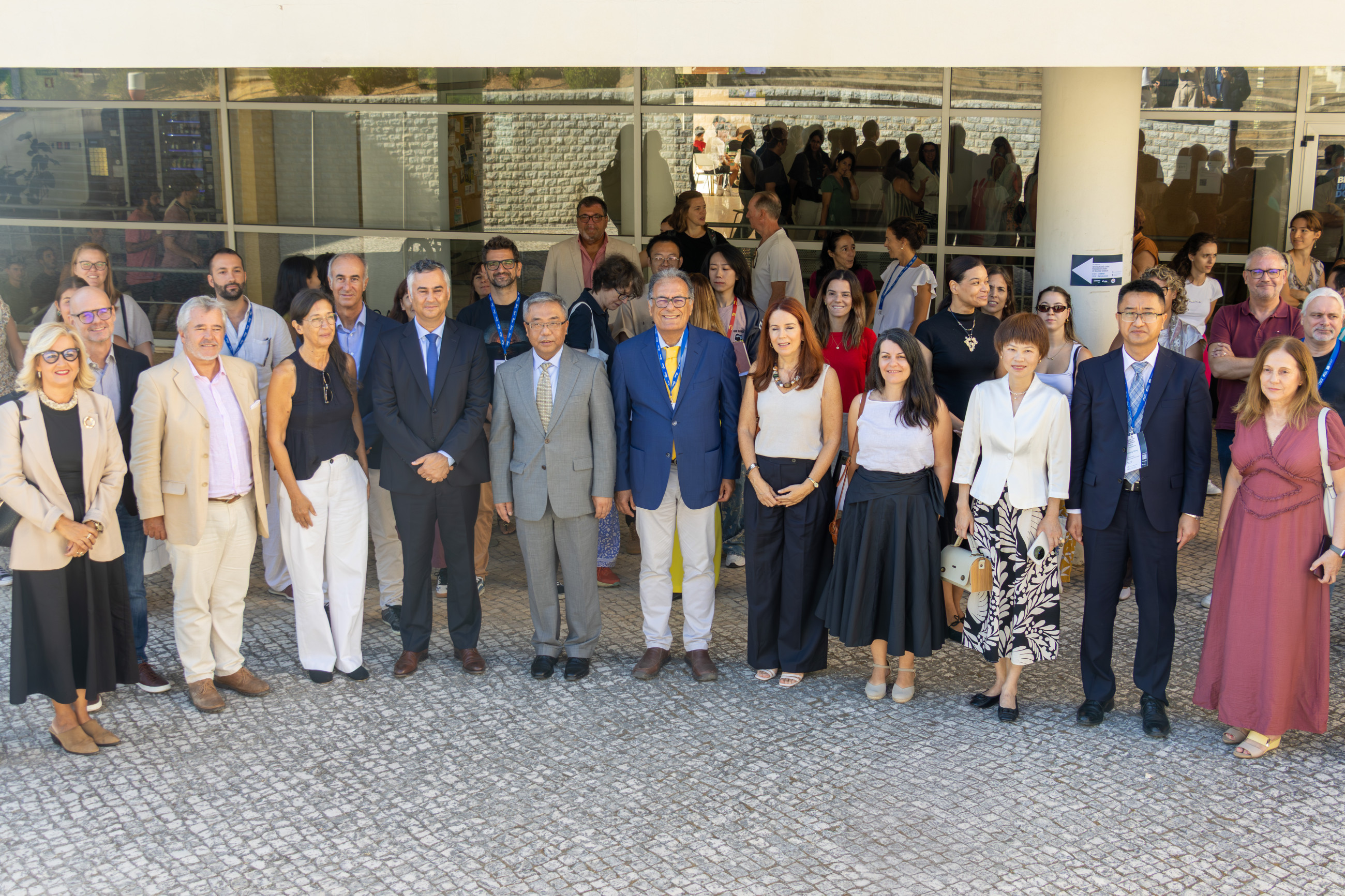
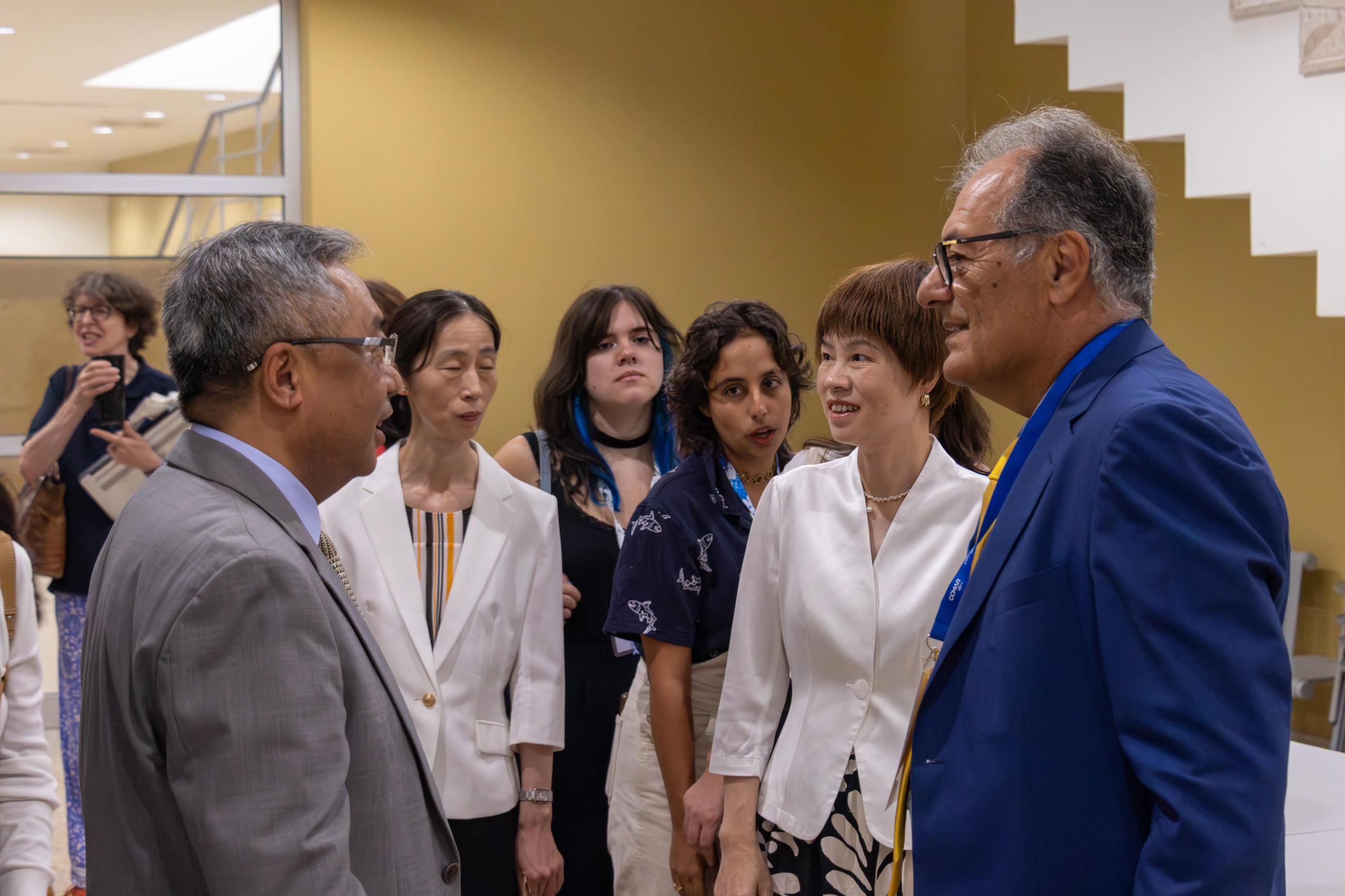
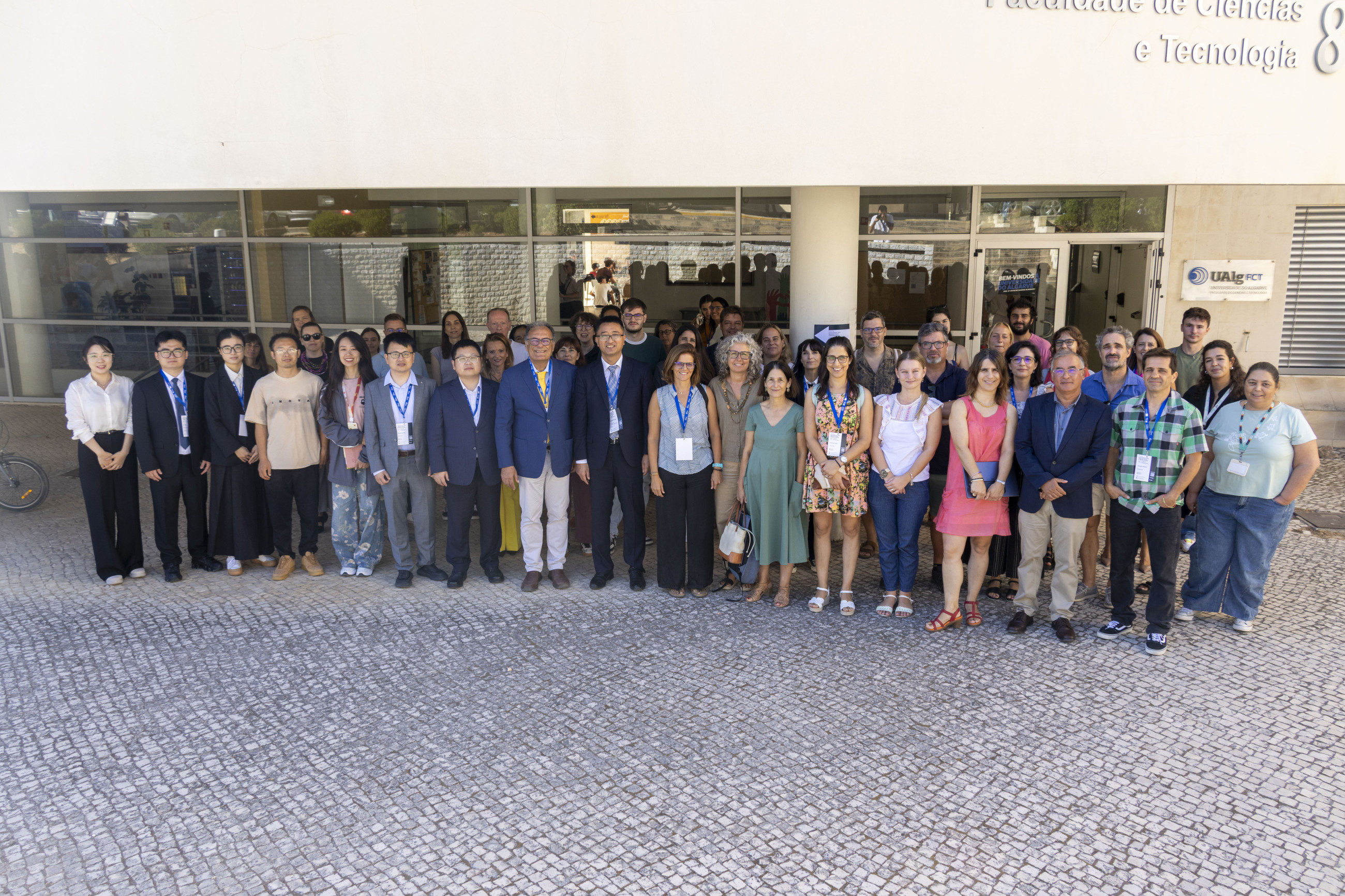


On the second day, the nature of the discussion changed
In addition to the scientific presentations, the programme included sessions on the administrative and research support structures at CCMAR, ranging from communication and dissemination to scientific platforms, education, innovation management, human resources, project management and financial services.
The afternoon was devoted to the workshop ‘Valorisation of Research Results’, led by José Ricardo Aguilar from the Pedro Nunes Institute. Here, the question was no longer simply ‘what have we discovered?’, but also ‘what might happen with this discovery next?’.
This is an important shift in perspective: a discovery may begin in a laboratory, but its journey does not necessarily end with a scientific publication. It may involve intellectual property, knowledge transfer, technological development, collaboration with companies or the creation of new solutions for society.
Among the issues raised by the researchers was the protection of intellectual property and, in particular, the use of patents.
A partnership built to last
As the meeting draws to a close, two strands of the same story remain.
On the one hand, a scientific relationship that began over a decade ago and has already yielded projects, training, mobility and joint research. On the other, a new phase in which Portugal is defining scientific priorities and reorganising the mechanisms through which research will be supported.
It is at this juncture that CCMAR and the University of the Algarve find themselves particularly well-positioned: not merely as institutions keen to establish new partnerships, but as partners who already have a history of scientific collaboration with Chinese institutions.
For Alexandra Teodósio, this continuity is precisely one of the strengths of the relationship. “This meeting is more than just a scientific conference,” she said. “It clearly demonstrates how international partnerships can create opportunities for excellence in research, advanced training, innovation and mutual understanding between countries and cultures.”
Ultimately, the ambition expressed by Fernando Alexandre also pointed in this direction: more students moving between the two countries, greater mobility for researchers and jointly established teams.
Science can be carried out in different laboratories and on different continents. In this case, part of this story began 14 years ago between the Algarve and Shanghai, and on both sides there is a clear and shared desire to continue this partnership into the future.