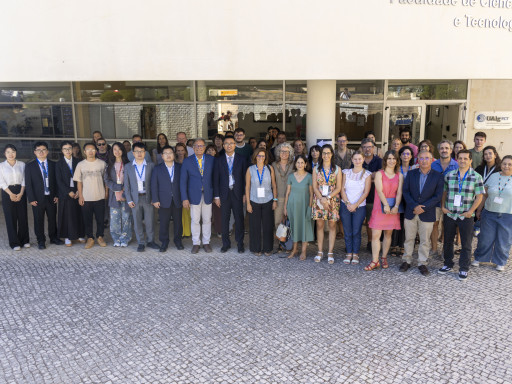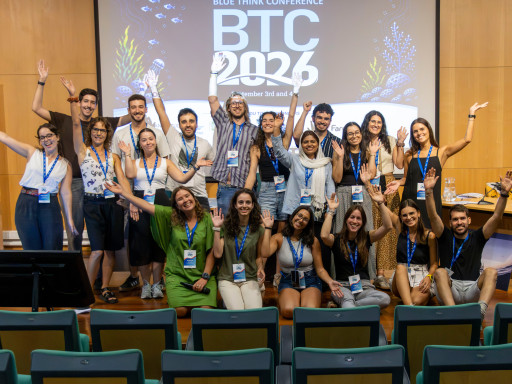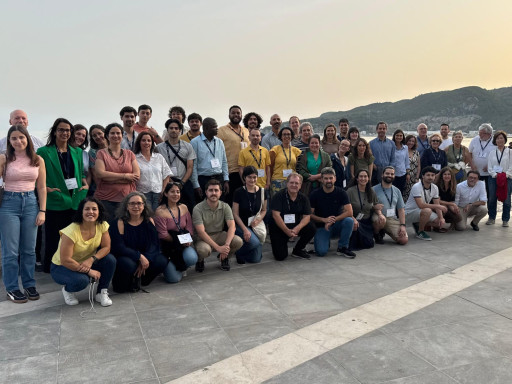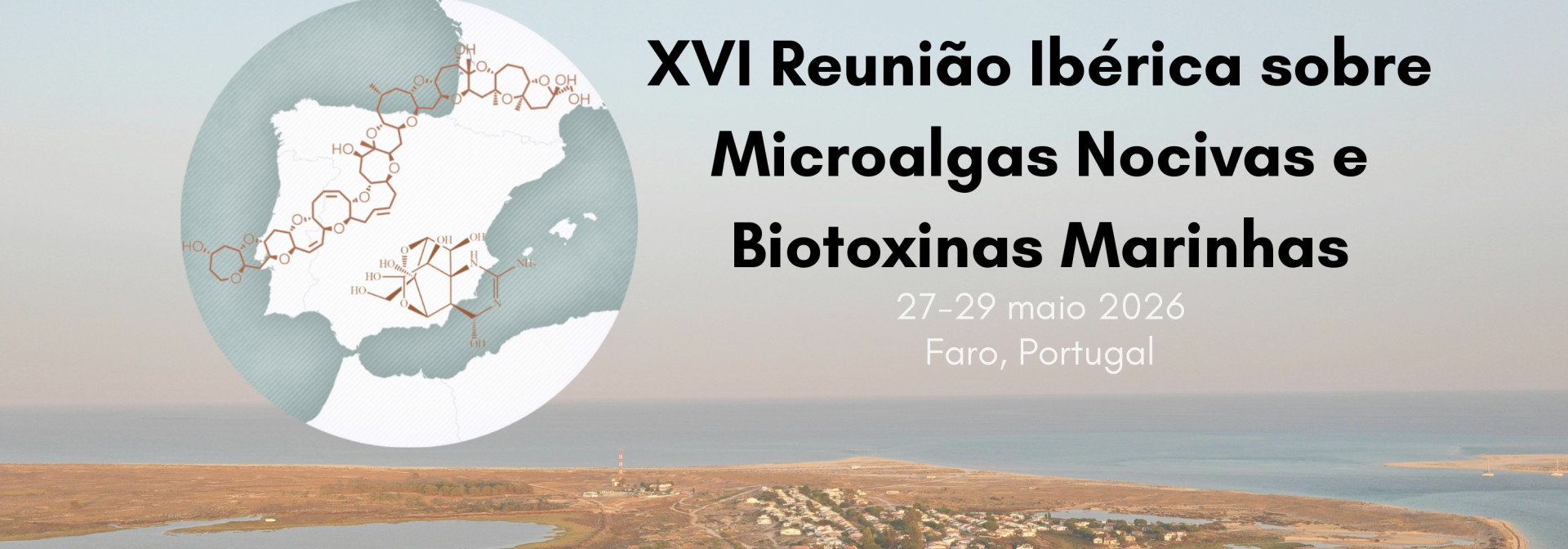
The 16th Iberian Meeting on Harmful Microalgae and Marine Biotoxins (REDIBAL 2026) took place from 27 to 29 May 2026 at the University of the Algarve in Faro, bringing together around 130 participants. The meeting consolidated more than three decades of Iberian scientific cooperation in the fields of harmful microalgae, marine biotoxins, and environmental and food safety.
Organised within the scientific ecosystem associated with CCMAR and its BlueTox research group, in collaboration with S2AQUAcoLAB, the event also saw the active participation of researchers involved in projects such as EarlyTOX, MultiALIVE, PROCOAST and PREHAB, reinforcing the link between fundamental research, applied innovation and coastal risk management.
Science, climate and emerging toxins at the heart of the debate
With a total of 64 presentations (42 oral and 22 posters), the scientific programme of REDIBAL 2026 was organised into five thematic sessions, reflecting the main current lines of research in the field of marine biotoxins:
Session 1 – Climate change and global trends focused on the impact of environmental changes on the proliferation of toxic microalgae, emerging species and the dynamics of biotoxin production.
Session 2 – New and emerging toxins discussed advances in the identification of new toxins, producing organisms and mechanisms of trophic bioaccumulation in marine systems.
Session 3 – Impacts of toxic microalgae and biotoxins addressed the ecological and biological effects of these compounds on marine ecosystems and organisms, with a focus on implications for biodiversity and aquaculture.
Session 4 – Biotechnological applications of biotoxins explored the potential of bioactive compounds in biotechnology, pharmacology and the development of bioindicators, including therapeutic and industrial applications.
Finally, Session 5 – Monitoring, mitigation and decision support highlighted tools based on data science, modelling and intelligent systems for predicting algal blooms, bivalve contamination and supporting management in aquaculture and public health.
Training and knowledge transfer
Alongside the scientific programme, REDIBAL 2026 included a free workshop entitled “How can scientific writing help you?”, delivered by one of the event’s nine sponsors. Aimed at developing scientific communication skills, the training focused on improving the clarity, structure and impact of scientific articles and papers, emphasising the importance of writing as a tool for visibility and quality in academic output.
Applied science, projects and innovation
The meeting highlighted the contribution of numerous European and national projects to advancing knowledge of marine biotoxins and environmental monitoring.
Among the papers presented, particular attention was drawn to work carried out under the EarlyTOX project, which focuses on molecular strategies for the early detection of harmful algal blooms in bivalve production systems, and developments from the PROCOAST project, which focuses on the assessment of toxins such as tetrodotoxin and its analogues along the Portuguese coast.
Progress was also presented on decision-support tools, including predictive models for contamination in aquaculture, reinforcing the link between science and operational risk management.
Social event and community engagement
The programme also included an opportunity for social interaction with a guided tour of Faro’s historic centre and the Municipal Museum, fostering a connection between participants and the local area where the event took place.
The closing dinner, which was optional, marked the end of the meeting and reinforced the spirit of collaboration among researchers, students and professionals in the sector.
Recognition and scientific impact
One of the highlights of REDIBAL 2026 was the presentation of scientific merit awards:
- Miguel Barbosa, awarded the prize for best student oral presentation, sponsored by ReadyToPub – Author Services Provider
- Sebastian Bello Sion, awarded the prize for best student poster, also sponsored by ReadyToPub – Author Services Provider
- Juan Blanco, honoured with the Career Award, in recognition of his outstanding scientific career and lasting impact on the Iberian community dedicated to harmful microalgae and marine biotoxins
Several participants also highlighted the role of REDIBAL as a platform for ongoing scientific cooperation, promoting knowledge sharing, the development of innovative methodologies and the consolidation of research networks between Portugal and Spain.
The 16th Iberian Meeting on Harmful Microalgae and Marine Biotoxins is being held within the scientific framework of the following projects:
PREHAB: Predator-Prey Chemical Warfare and the Forecasting of Harmful Algal Blooms (LCF/BQ/PR23/11980049), funded by the “la Caixa” Foundation (ID 100010434), through a Junior Leader Retaining Fellowship.
PROCOAST: Producers & Toxicity Assessment of Tetrodotoxin and analogues on the Portuguese Coast (2024.04866.RESTART), funded by the Foundation for Science and Technology, through the RESTART Programme – 2nd edition.
Missão Interface. Project co-financed by the PRR – Recovery and Resilience Plan of the European Union (operation code 01/C05-i02/2022.P148).
EarlyTOX is funded by national funds through the FCT – Foundation for Science and Technology, I.P., under grant reference 2024.17161.PEX.
MultiALIVE was supported by Algarve 2030, Lisboa 2030, Portugal 2030 and the European Union. European Funds Closer to You.
Funding



Sponsors
Gold
 |
|  |
Silver
 |  |
Bronze
 |  |
|