A recently published study has shown that it is possible to produce immune cells with therapeutic potential more efficiently, safely and cost-effectively — a breakthrough that could speed up access to new therapies for diseases such as cancer.
Cell therapies are among the most promising approaches to cancer treatment. However, they continue to face a critical challenge: producing cells in sufficient quantities, with consistent quality and at a viable cost.
The study, published in February this year in the journal Scientific Reports, takes an important step towards overcoming this obstacle by demonstrating a more efficient way of expanding, in a laboratory setting, natural killer (NK) cells derived from umbilical cord blood.
These cells form part of the immune system and possess a natural ability to recognise and destroy tumour cells without the need for prior ‘training’. For this reason, they are considered one of the main areas of focus in cutting-edge immunotherapy, including strategies such as CAR-NK therapies (chimeric antigen receptor-expressing natural killer cells).
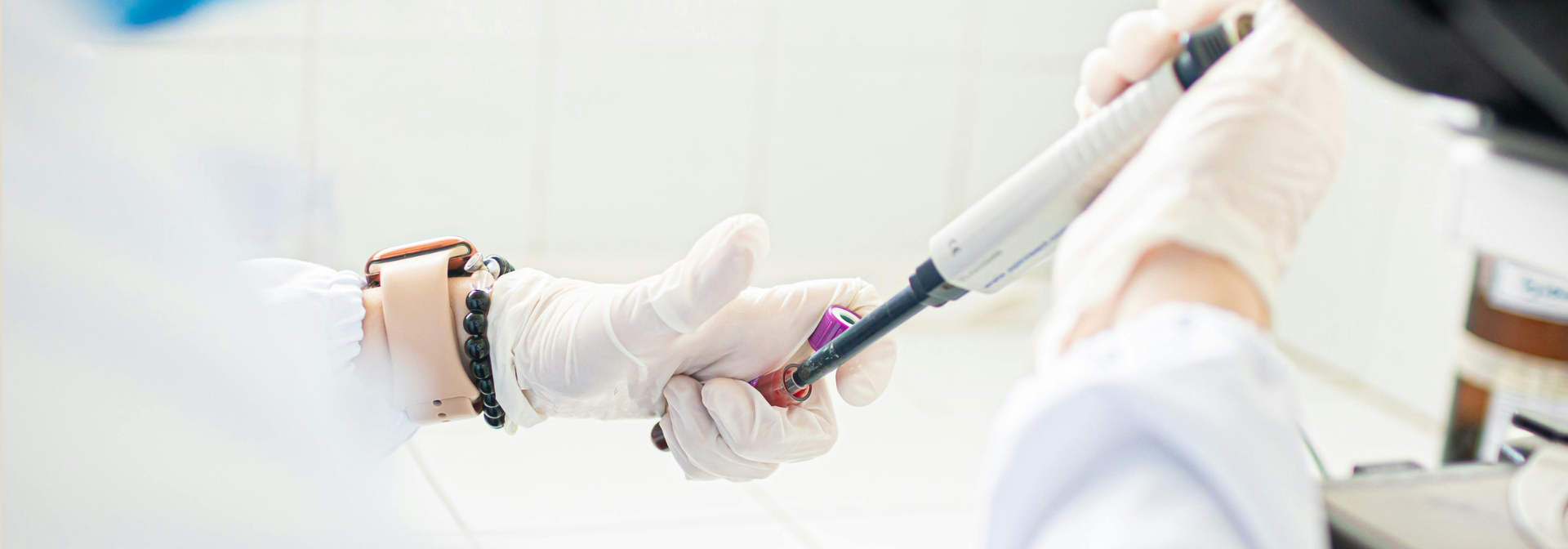
The team, which includes Pedro Fonte, a researcher at CCMAR, evaluated different culture media used to multiply these cells outside the body, focusing on ‘feeder-free’ systems — that is, without the need for additional support cells. This approach reduces the risk of contamination, simplifies the process and also facilitates the transition to clinical and industrial settings. The results demonstrated that it is possible to achieve strong cell expansion whilst maintaining the cells’ ability to attack tumour targets.
One of the most significant aspects of the study is the cost-effectiveness analysis, a decisive factor, as high costs remain one of the main barriers to access to cell therapies.
By simplifying and optimising the production of umbilical cord blood-derived NK cells, this work brings research closer to clinical reality.
More than just a laboratory discovery, it represents an important step towards making immunotherapies more accessible, sustainable and scalable — with potential future impact on the treatment of cancer.