With over two thousand participants, 60 activities and 40 national organisations, the 4th edition of the Marine Forests Festival took place between 13 and 22 May in Vila Nova de Milfontes. This event, which brought together science, art, education and the community, resulted in a manifesto to guide the conservation of these ecosystems in the coming decades.
"We want people to leave the festival feeling responsible and eager to help conserve these vital ecosystems for future generations, so that they can continue to sustain marine biodiversity along our coastline."
The event was organised by CCMAR (Centro de Ciências do Mar do Algarve) as part of the project Florestas Marinhas da Fundação Belmiro de Azevedo, in partnership with the Município de Odemira, Colégio Nossa Senhora da Graça, the Junta de Freguesia de Vila Nova de Milfontes, the Universidade do Algarve, and many other local and national organisations. Particular mention should be made of the significant collaboration of the Fundação Oceano Azul and the Cultivamos Cultura and Viridia associations.
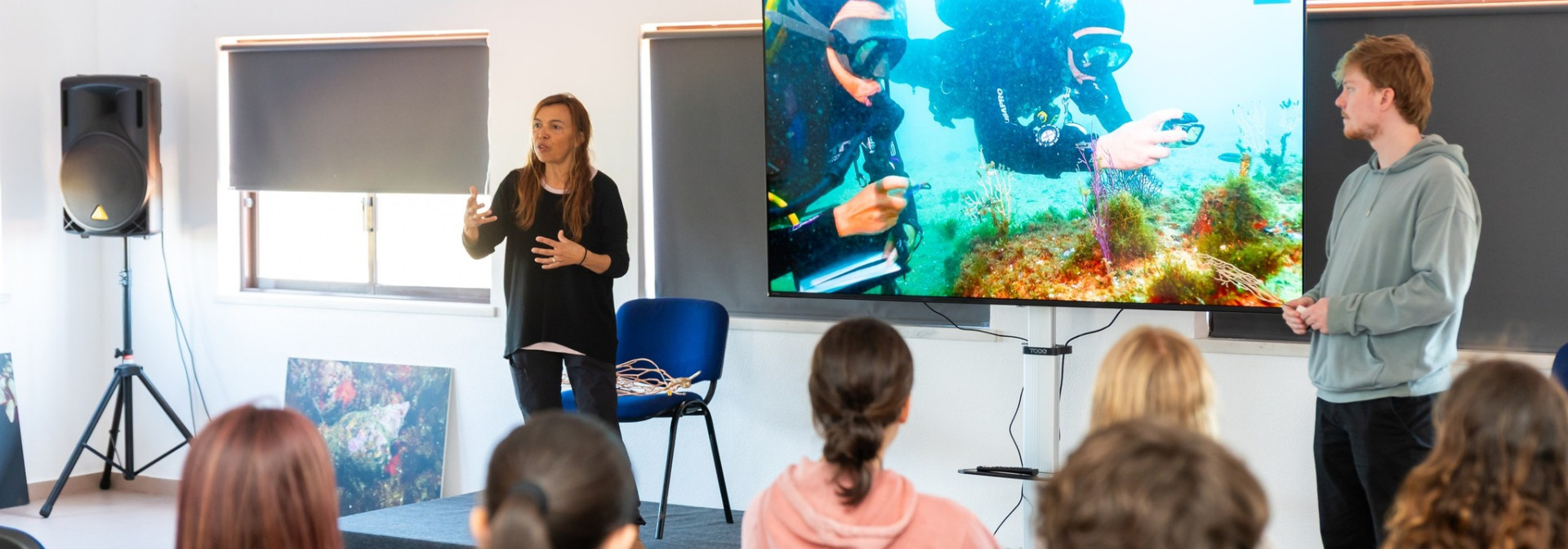
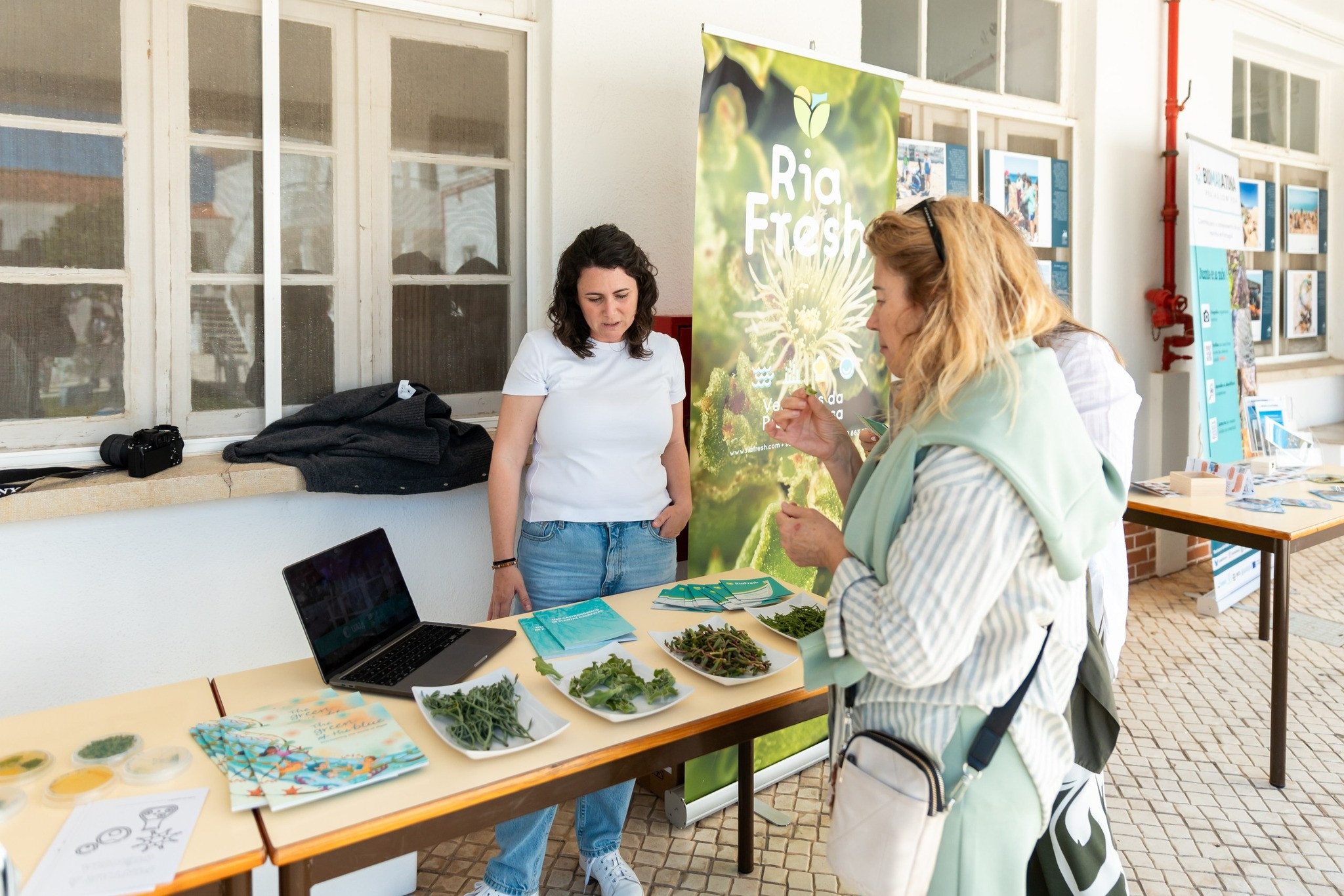
Spanning more than a week, the festival brought together scientists, students, artists, associations, fishermen, residents, and visitors to enjoy a multidisciplinary programme. This included exhibitions, workshops, documentaries, immersive experiences, guided tours, water sports, talks, gastronomic offerings, environmental awareness initiatives, and a participatory scientific meeting dedicated to the future of Portugal’s marine forests.
The significant involvement of academic institutions, local and national associations, local authorities and national foundations from across the country also helped foster a sense of collective engagement, bringing science and society closer together.
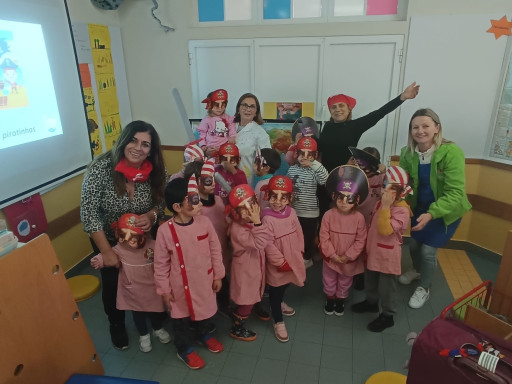
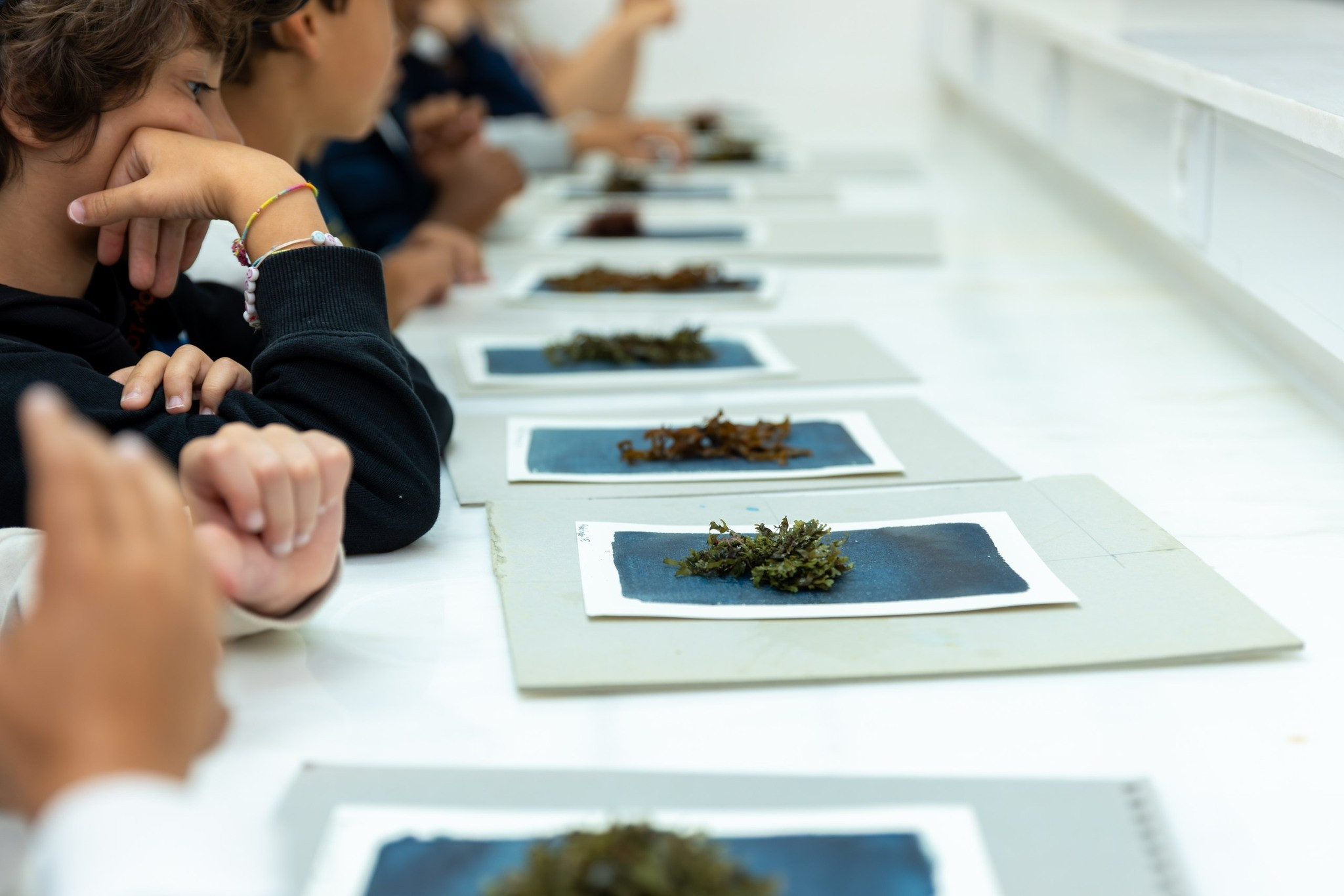
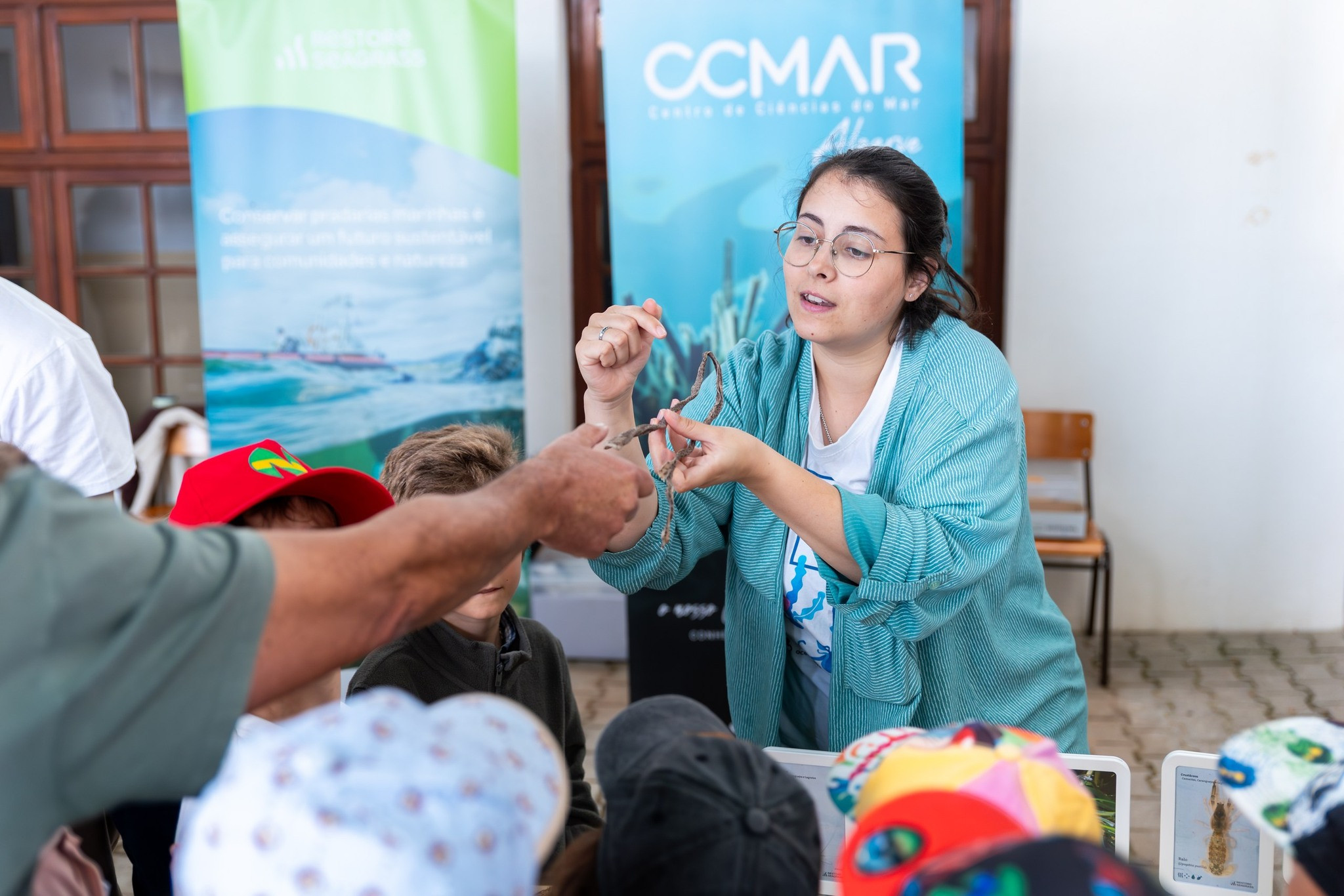
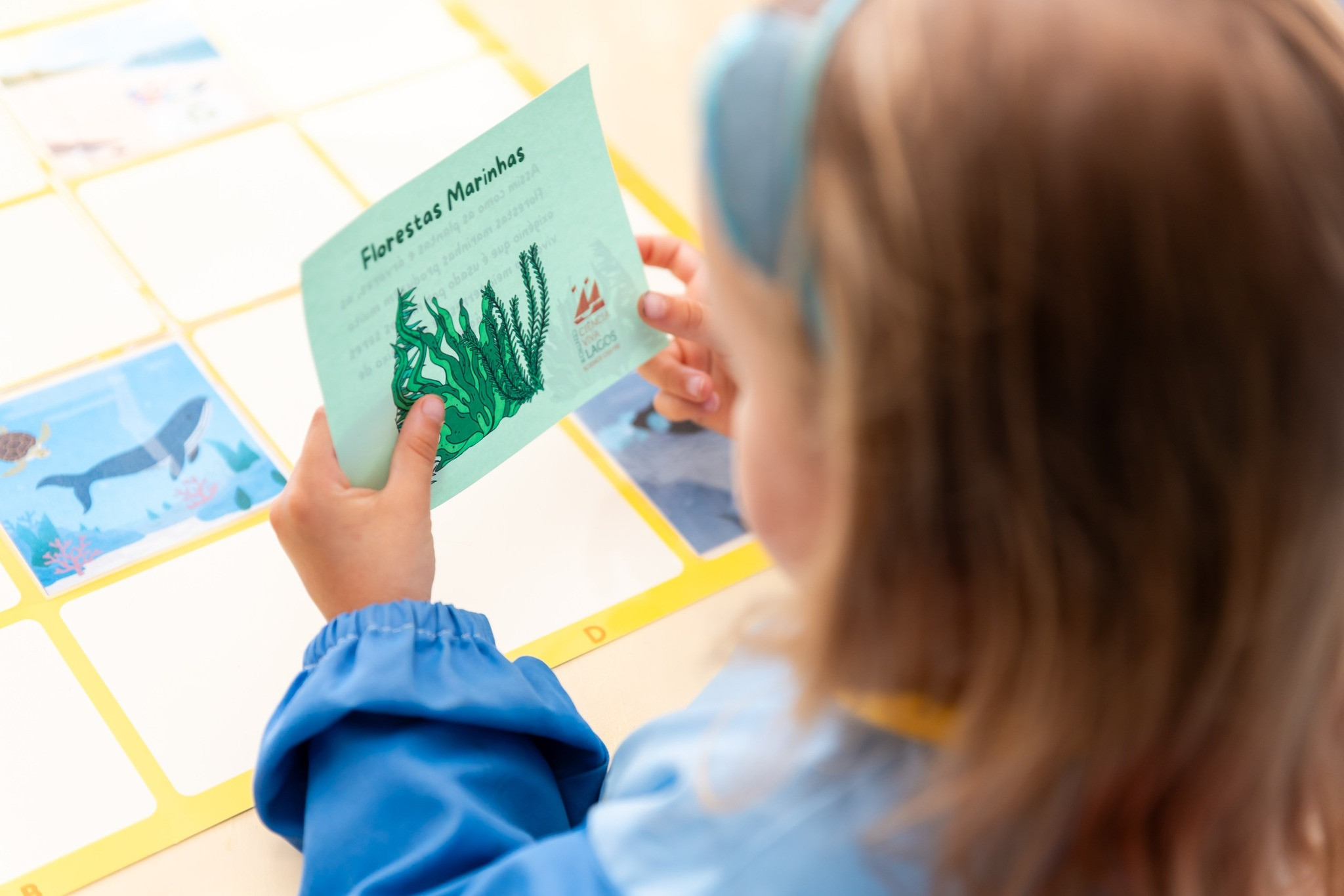
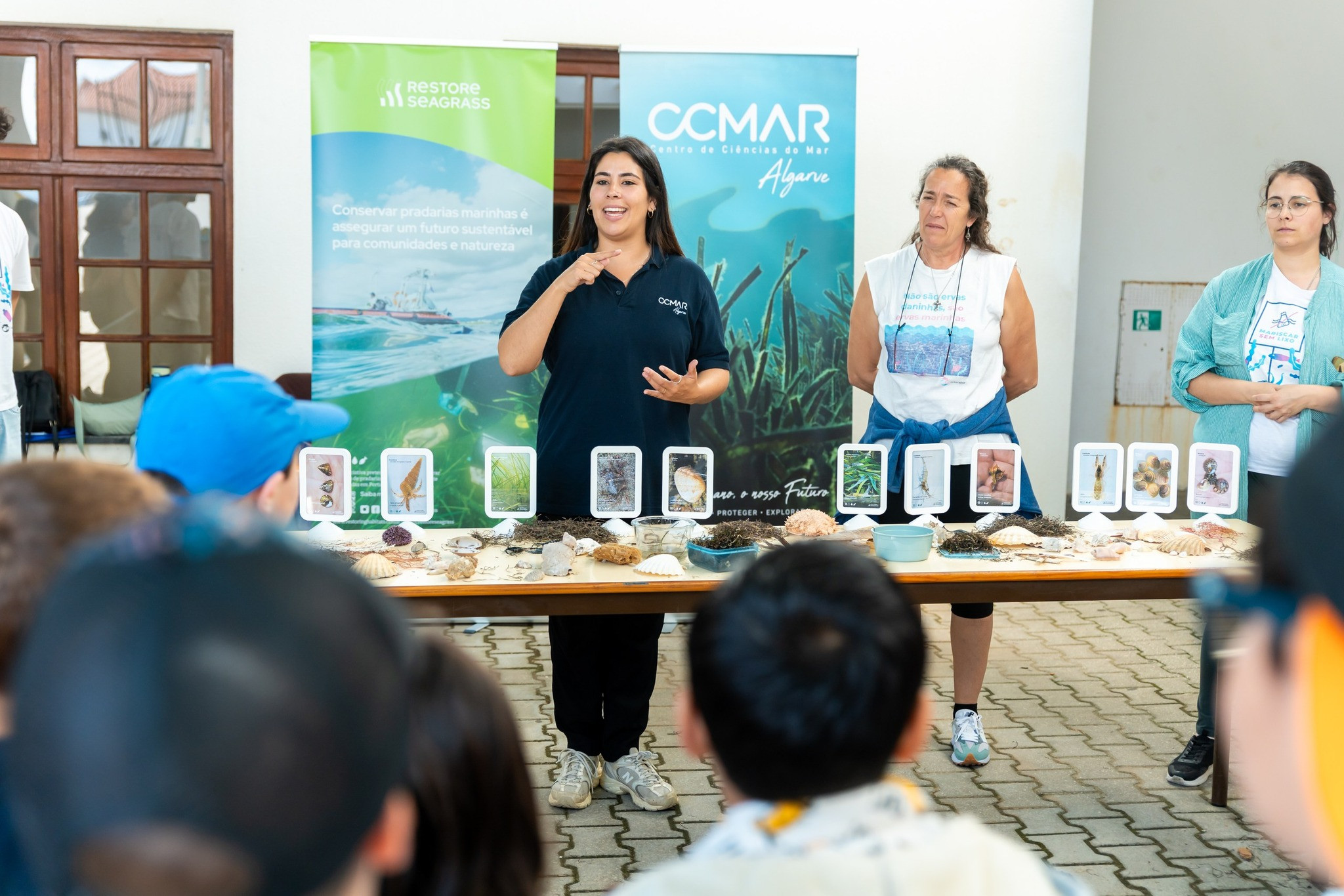
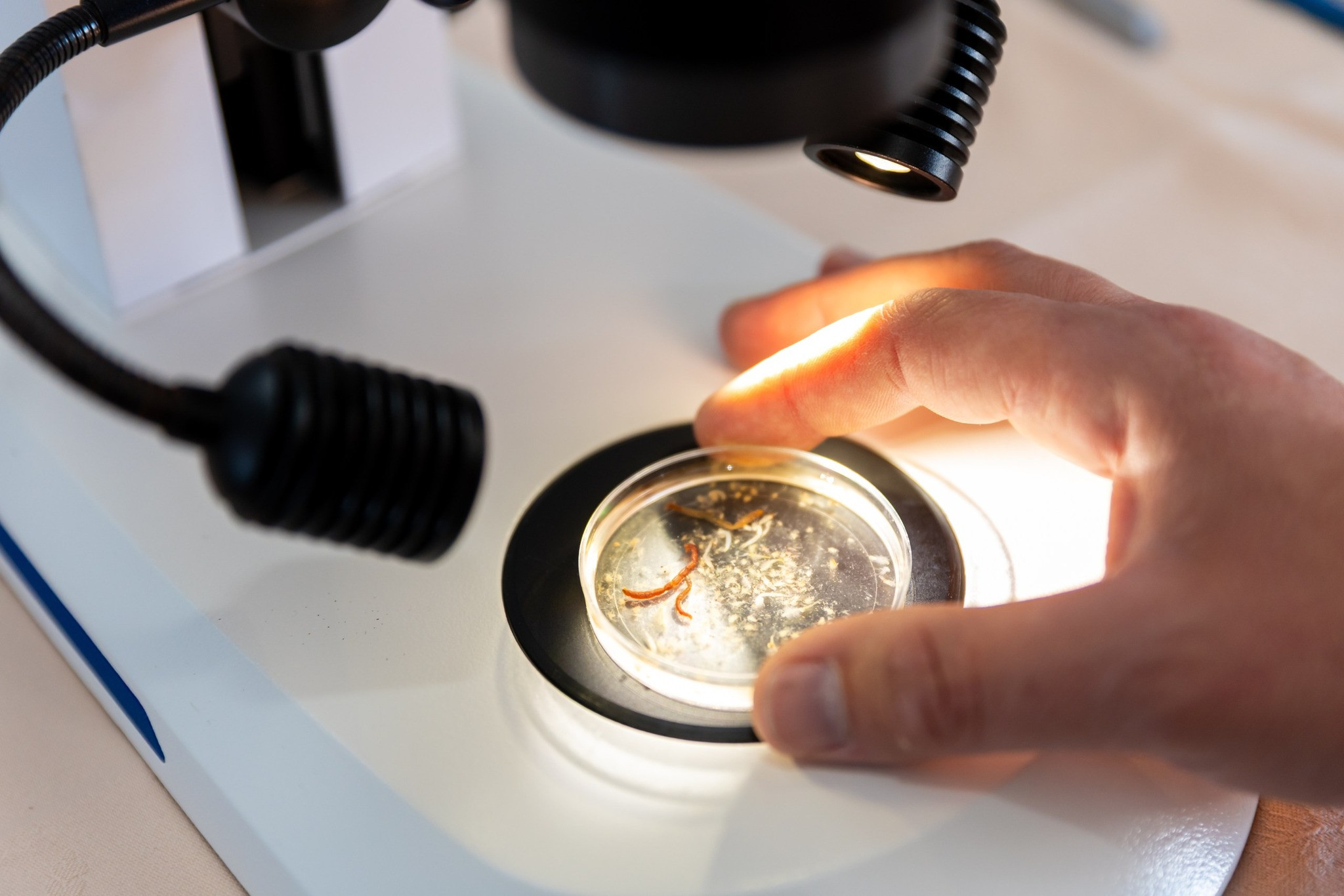
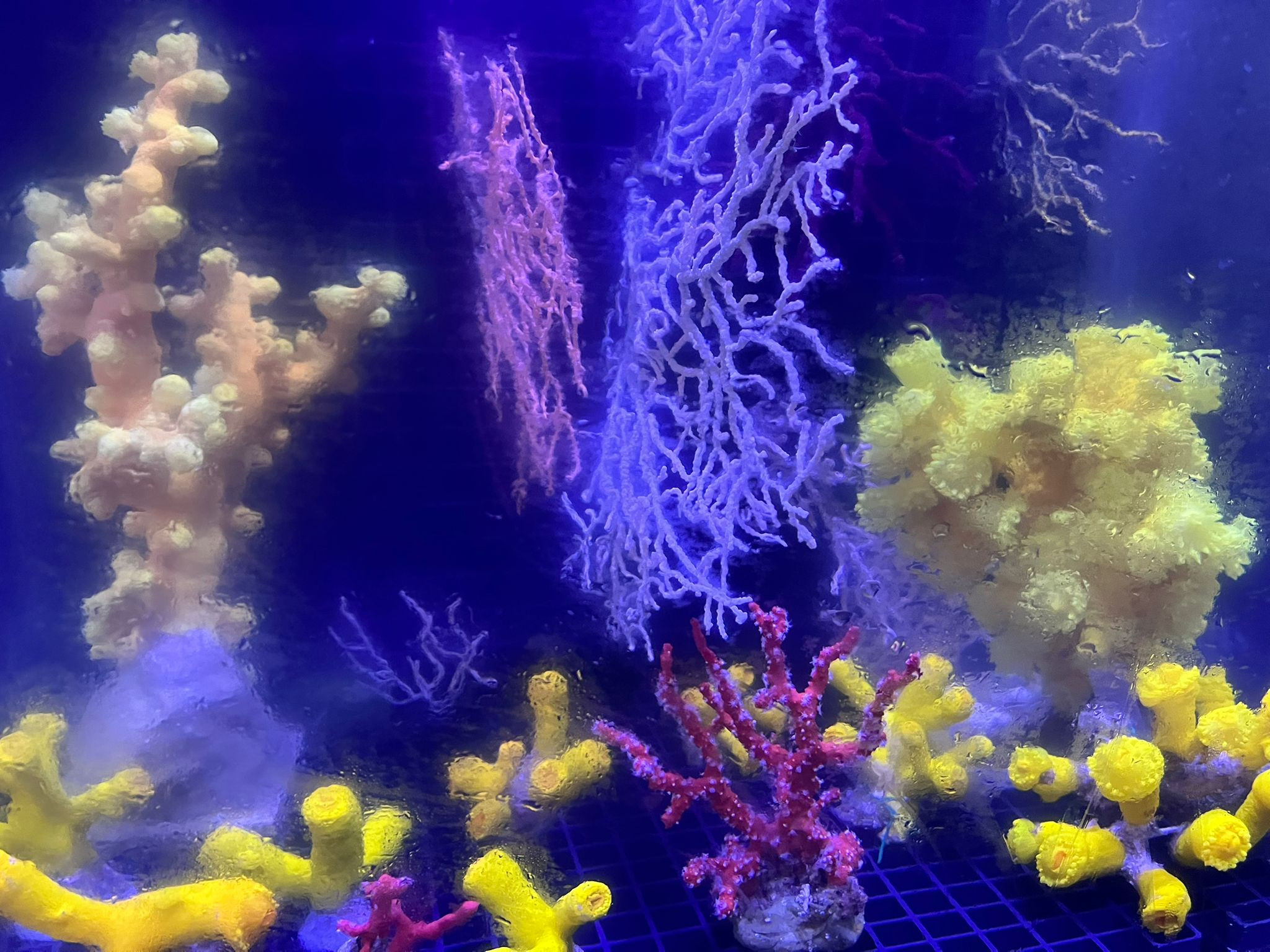
The Marine Forests Festival was notable for the significant engagement of the school community and for providing hundreds of children and young people with direct exposure to marine science. Pupils from pre-school to secondary level had the opportunity to meet marine researchers and educators, explore corals, algae and seagrasses, learn about the large marine animals that depend on them and discover marine protected areas. They also had the chance to try out scientific and artistic techniques, take part in microscopy experiments, create seaweed herbariums and play educational games. These activities reinforced the link between scientific knowledge and ocean literacy. For many of these children, this was probably their first close encounter with marine scientific research — an experience that could have a profound impact on their relationship with the ocean in the future.
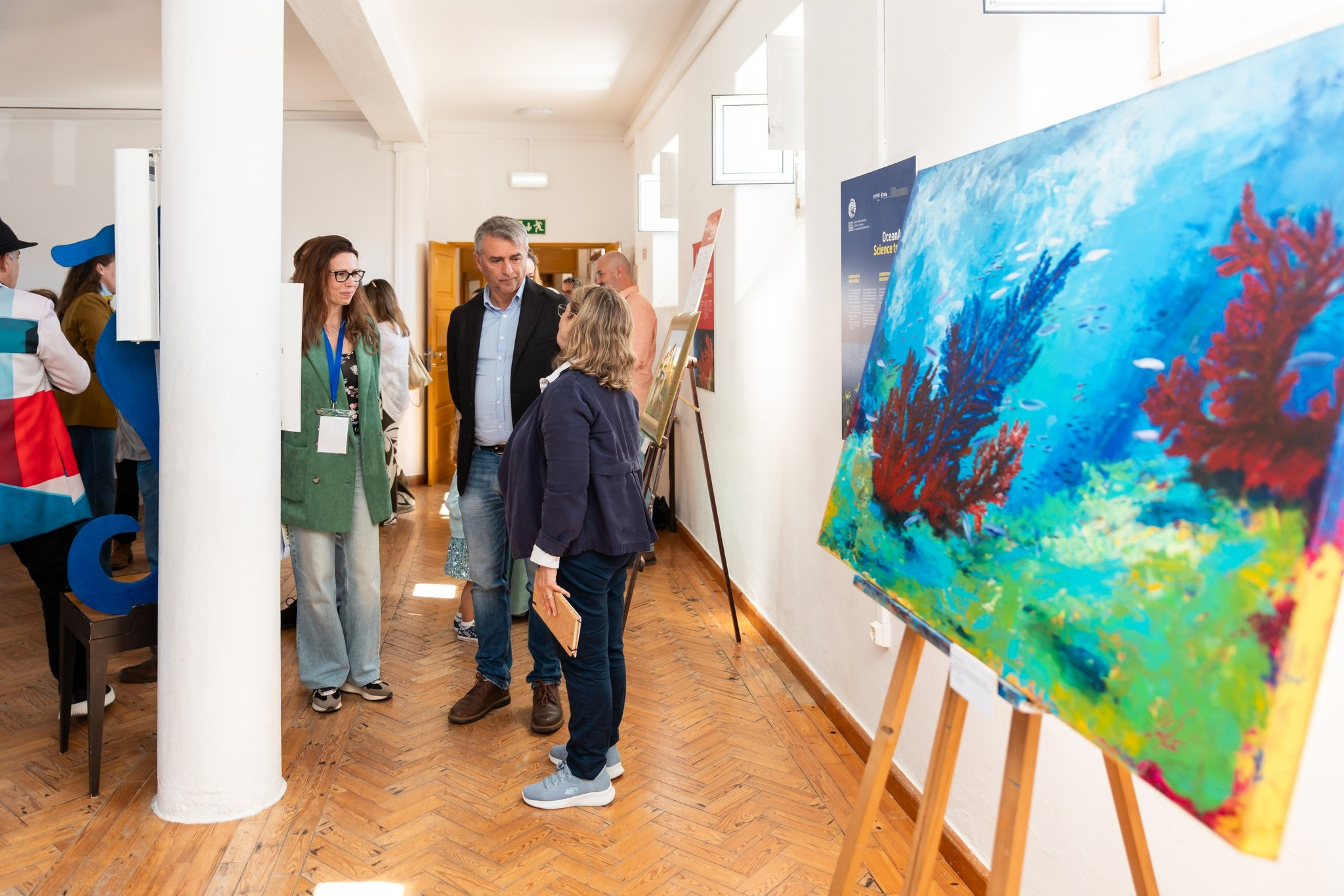
The 2026 edition also stood out for its integration of science and art, which sought to bring the public closer to the challenges facing the ocean through artistic expression, combining creativity, awareness-raising and scientific knowledge. The group exhibition “OceanArt 2026: Science to Art”, organised by CCMAR and the University of the Algarve, brought together 13 artists and over 20 works of painting, sculpture and photography inspired by the ocean and marine biodiversity, and was endorsed by the United Nations Decade of the Ocean.
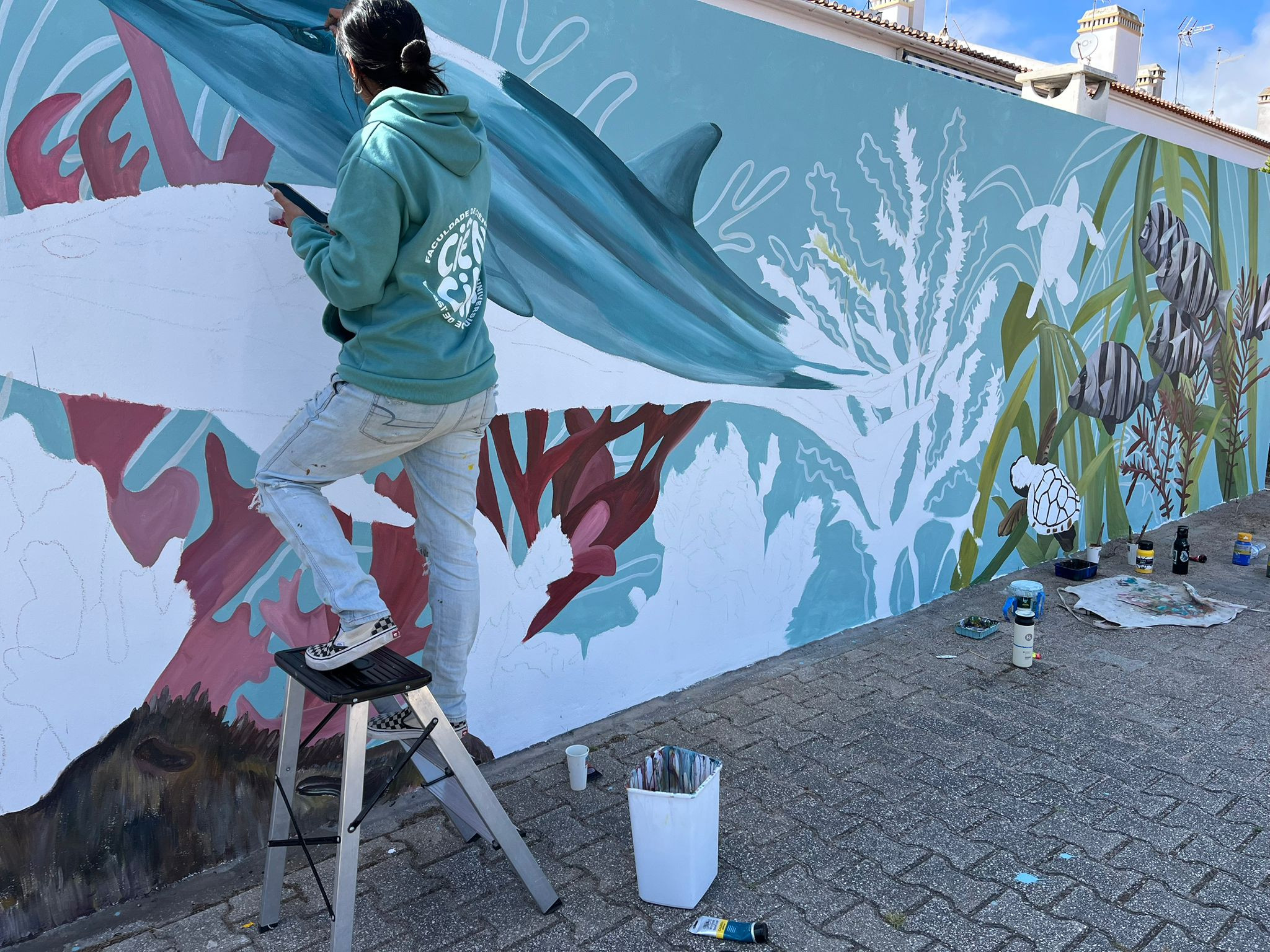
The festival also featured excellent exhibitions by various artists, such as the photographic panels on underwater seaweed harvesting, “Trabalho de Fundo” by João Mariano, and works from the artistic residencies of the “Cultivamos Cultura” association, amongst others, which were displayed across various venues in Vila Nova de Milfontes.
The festival was more than just a series of activities; it proved to be a profoundly transformative collective experience for many participants. Spontaneous comments from the audience, such as 'I had no idea there were corals in Portugal', 'This should go on forever' and 'I’ll never look at the sea in the same way again', reflected the event’s powerful emotional, educational and cultural impact.
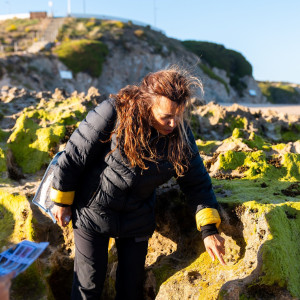
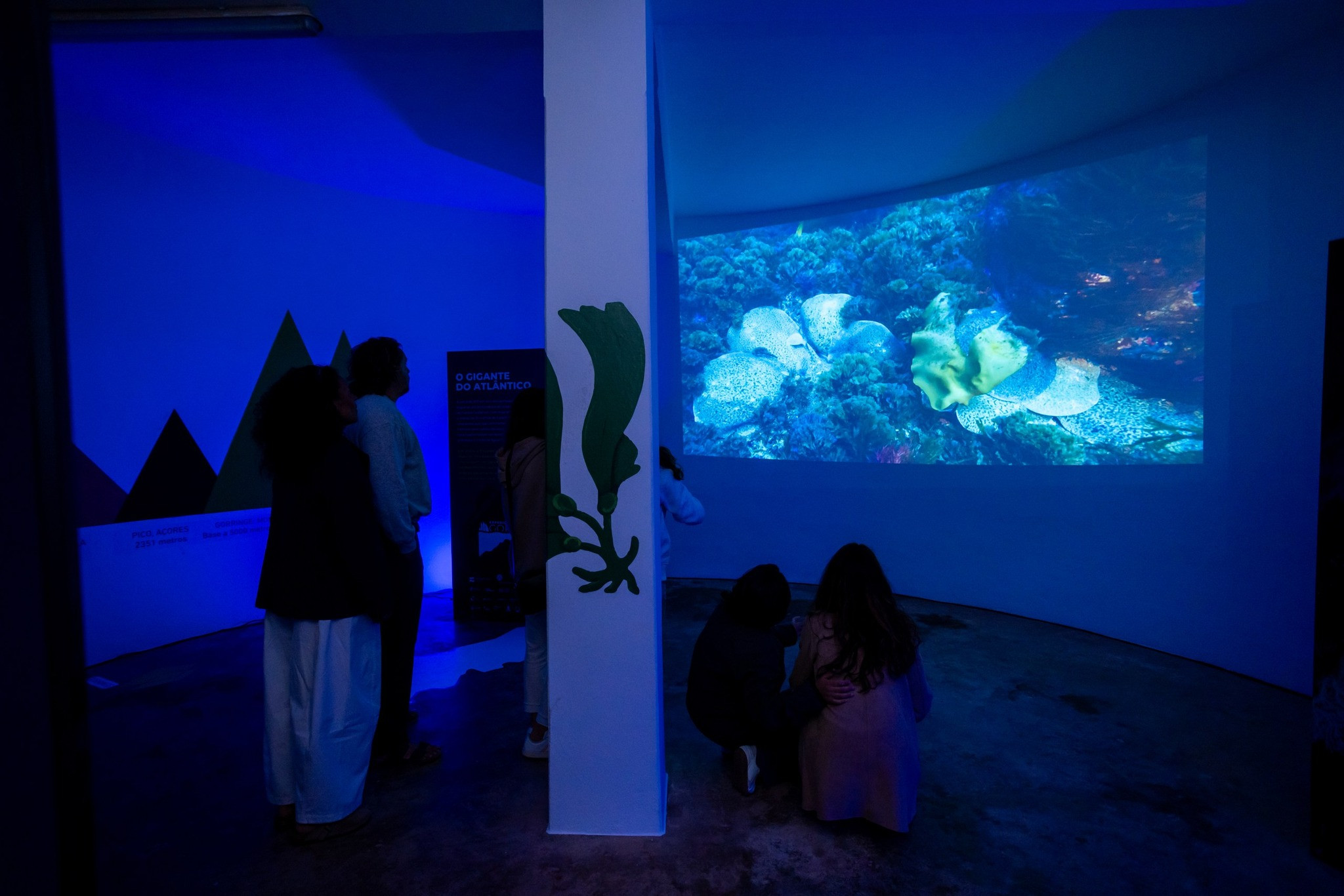
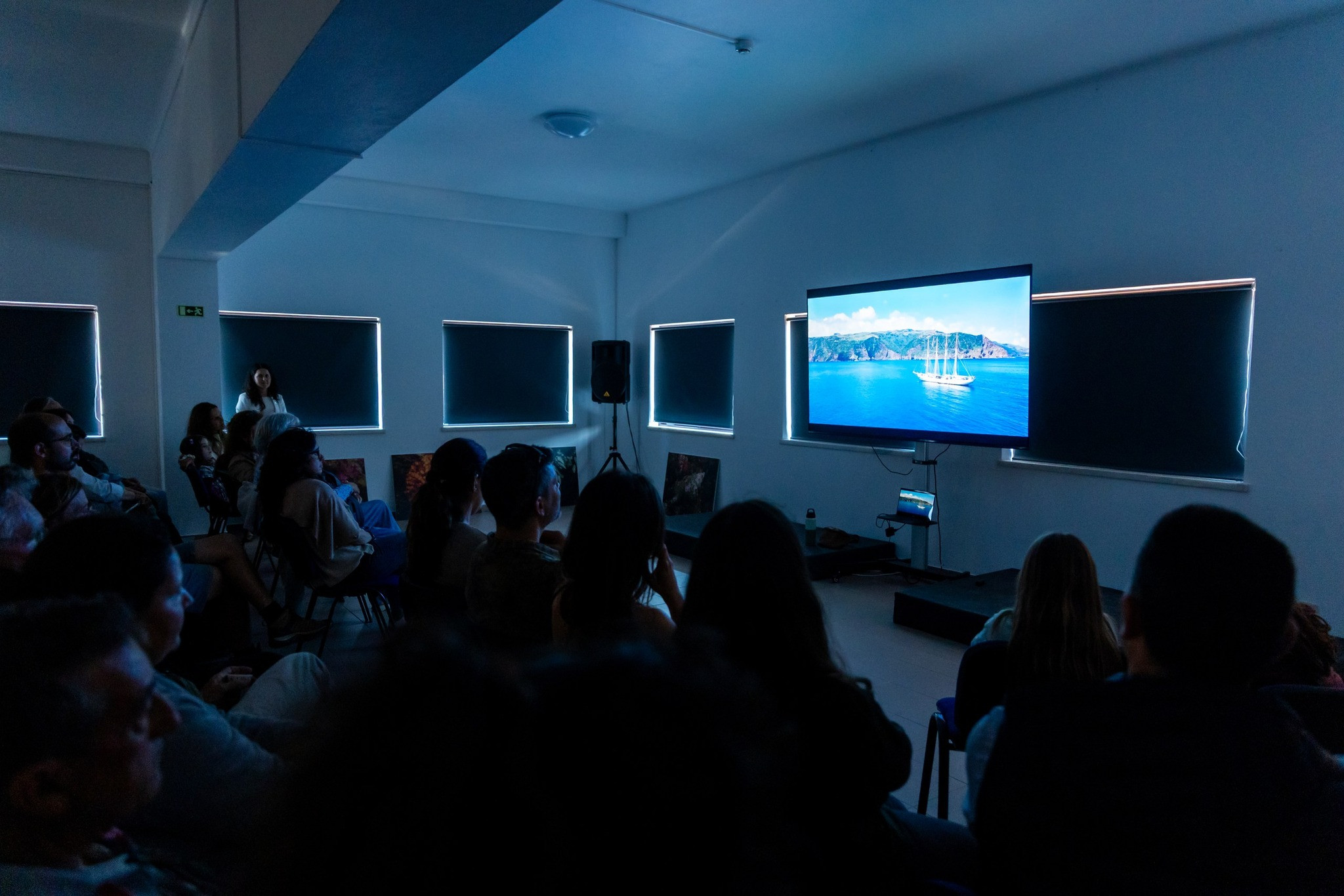
Highlights for the public included conversations with fishermen and other people connected to the sea, a debate on marine protected areas, interpretive activities along the rocky coastline and on the River Mira, nature drawing and photography workshops, the 'Clean Beach Mission', and the premiere of the film 'Marine Forests of the Portuguese Coast'. Another particular highlight was the immersive experience dedicated to the Gorringe Bank, housed in a former water tower, which allowed visitors to virtually “dive” into one of the most extraordinary marine ecosystems in the Atlantic. This experience was widely cited by visitors as one of the most memorable aspects of the festival.
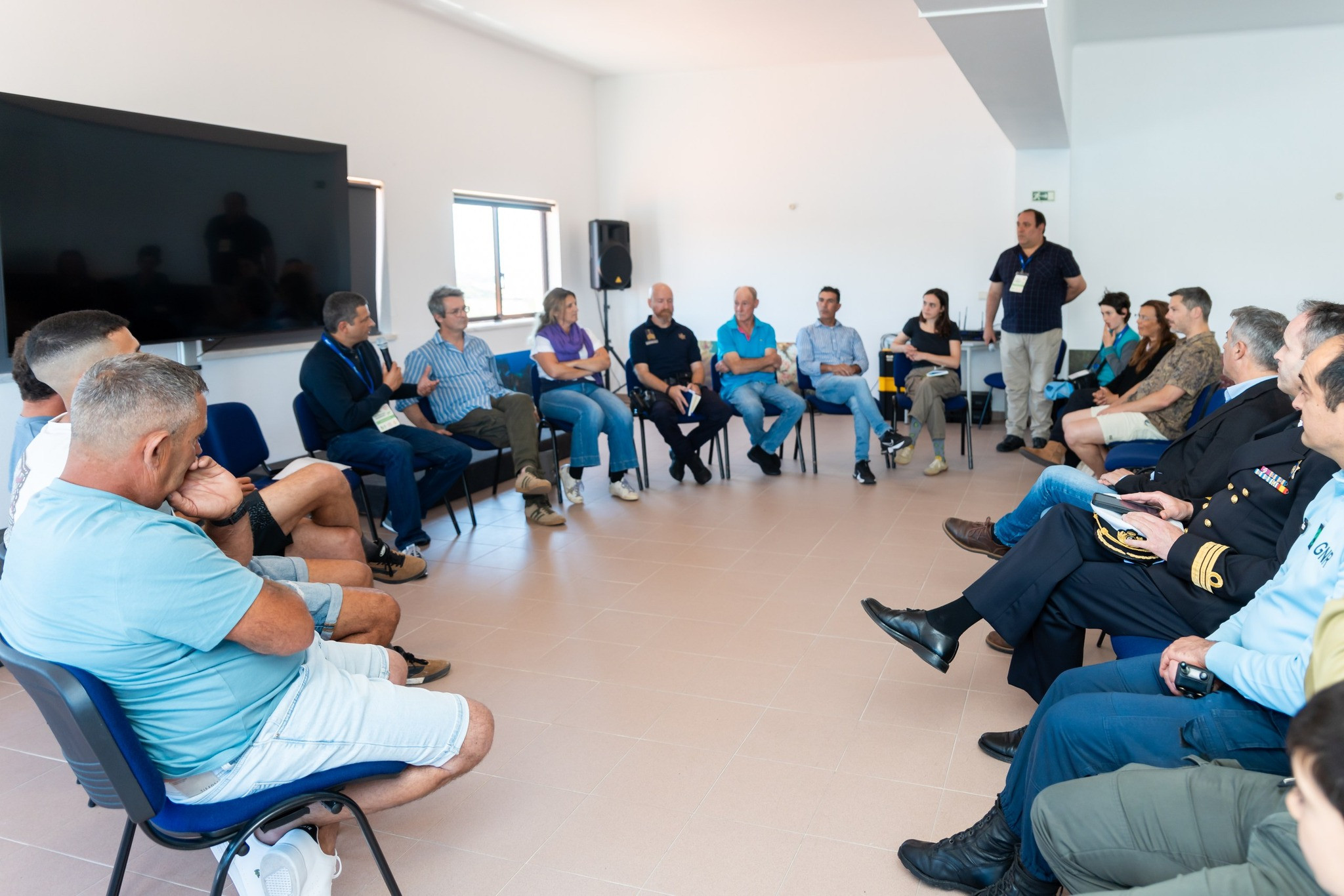
One of the key events on the programme was the participatory scientific meeting entitled 'What future for Portugal’s marine forests?'. This debate brought together researchers, businesses, associations, maritime professionals, and members of the public to discuss important and challenging issues such as habitat destruction, climate change, overfishing, ecological restoration, the cultivation of macroalgae, the blue bioeconomy, and marine conservation. The constructive tone of the discussion fostered closer ties between conservation and society.
The meeting culminated in the drafting of the 'Manifesto for the Future of Portugal’s Marine Forests', a document signed by researchers, professionals, businesspeople, foundations, institutional representatives and members of the public. The manifesto calls for the creation of a national strategy for Portugal’s marine forests. The manifesto emphasises the importance of integrating conservation, scientific monitoring, ecological restoration and the sustainable use of marine resources, demonstrating that the festival successfully generated real mobilisation around protecting these ecosystems.





Spanning education, research, culture and public engagement, the Marine Forests Festival promoted ocean literacy and built bridges between the scientific community and society. The fourth edition also emphasised the importance of addressing environmental issues through an interdisciplinary approach, engaging various audiences via science, art, and hands-on experiences at sea.