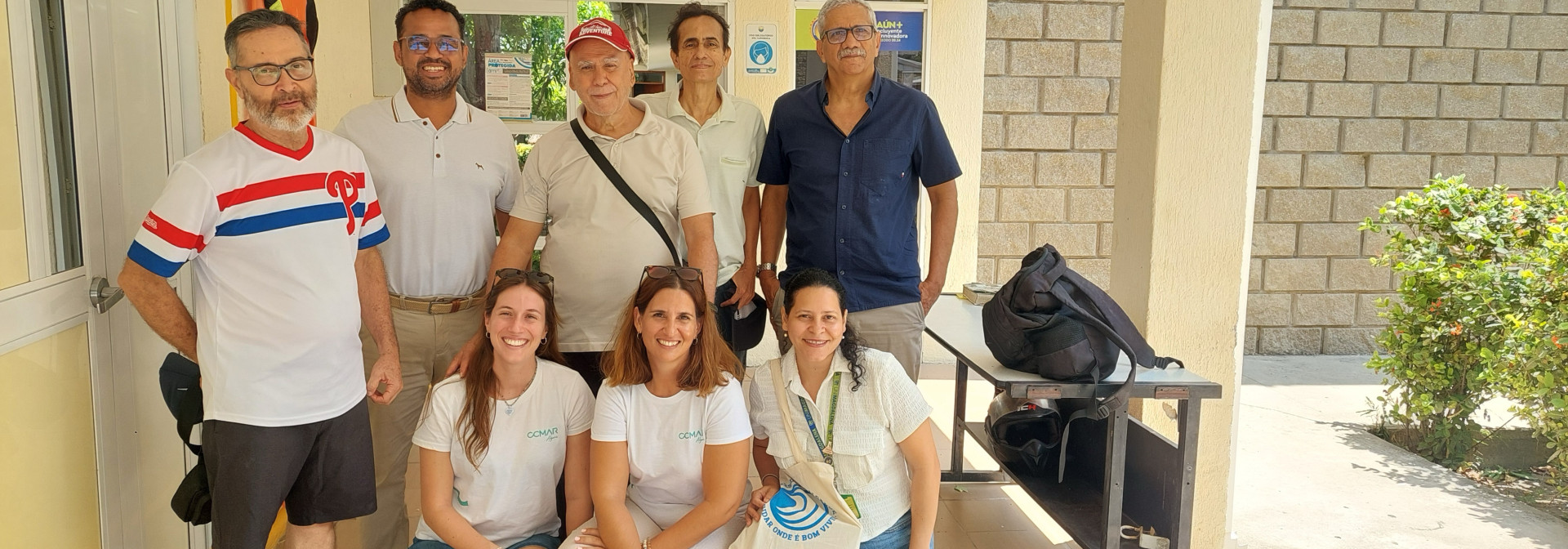
How do fish larvae find their way to the habitats in which they will grow? How might changes in the ocean affect this journey and the communities that depend on fishing? The Finding Home project is bringing together researchers from the Algarve and communities in Colombia and São Tomé and Príncipe to answer these questions.
The link between the three regions emerged from a shared interest in studying similar life cycles and understanding their relationship with local fisheries.
In São Tomé and Príncipe, the focus is on the 'peixinho', a term used to describe fish belonging to the Sicydium genus. This genus includes species that are endemic to the archipelago and constitute an important resource for fishing communities.
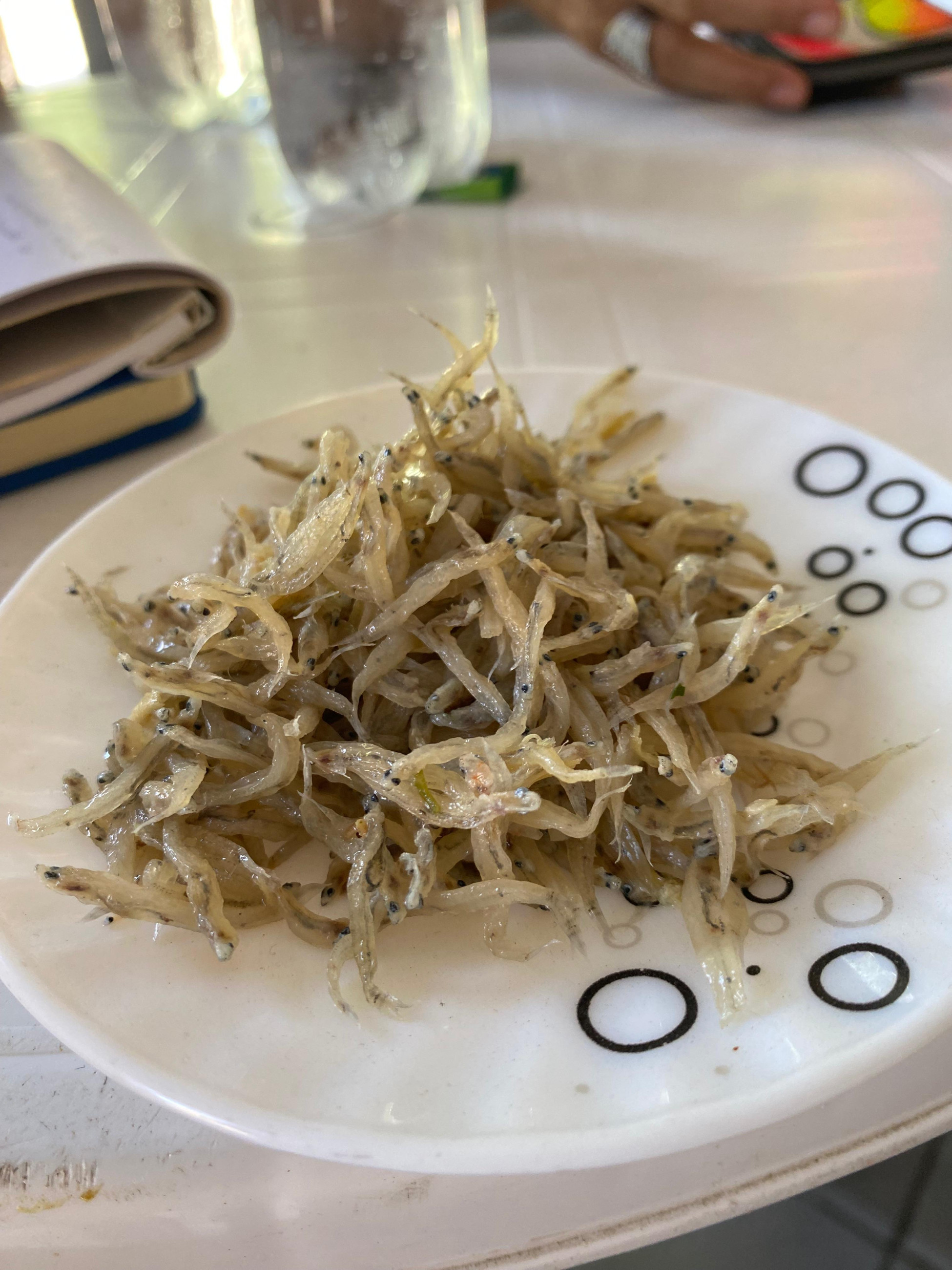
Colombia also has a species of this genus, known locally as 'pez tití'. Although these species are distinct, their life cycles are similar, providing an opportunity to compare different regions and explore common scientific questions in greater depth.
The partnership between CCMAR and its Colombian partners began to take shape at the I Forum Mar Portugal, in Faro, spurred on by Alexandra Teodósio’s discovery. Following a visit to the Universidad del Magdalena, she returned with the news that the 'pez tití' was also found in Colombia.
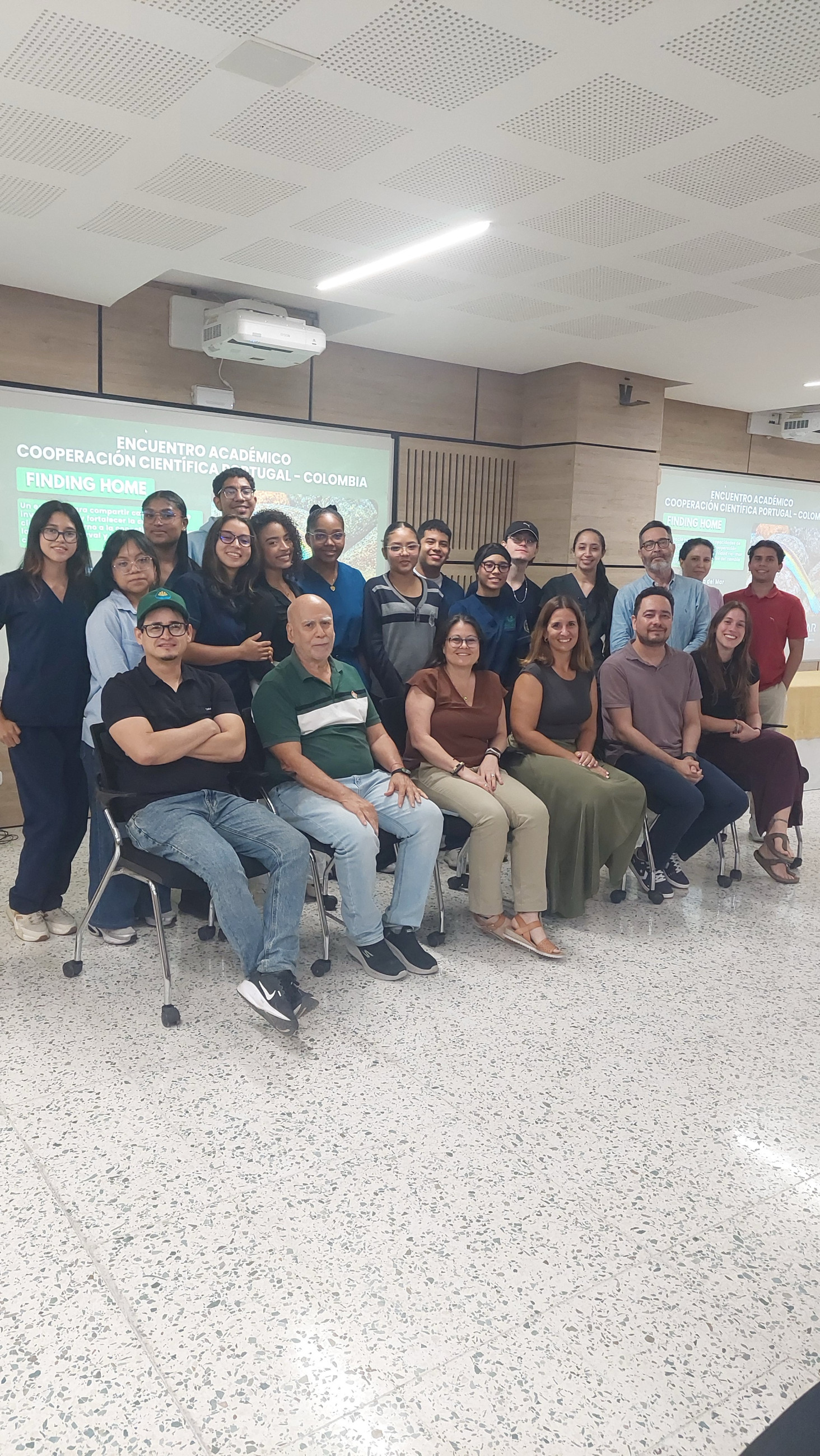
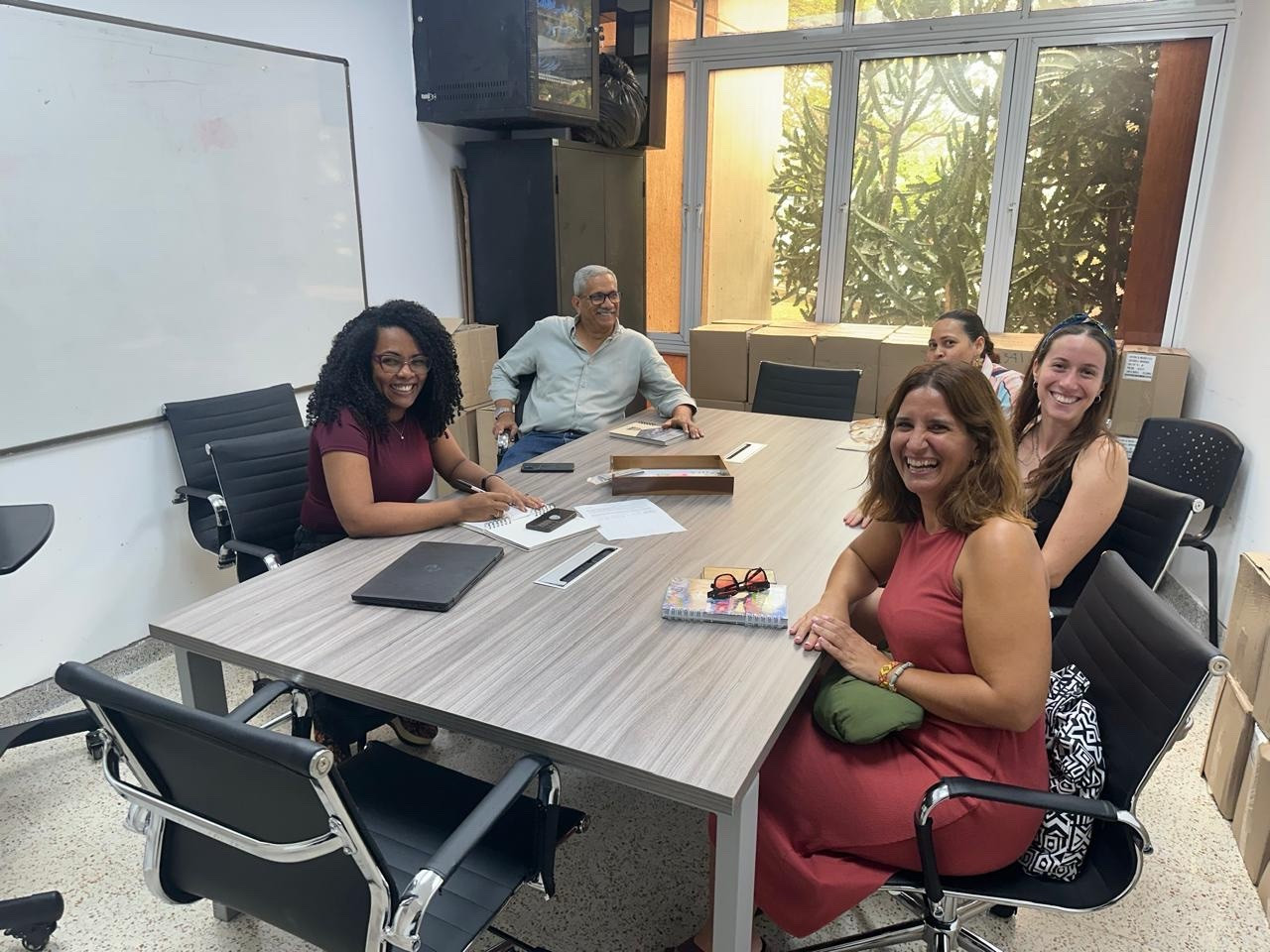
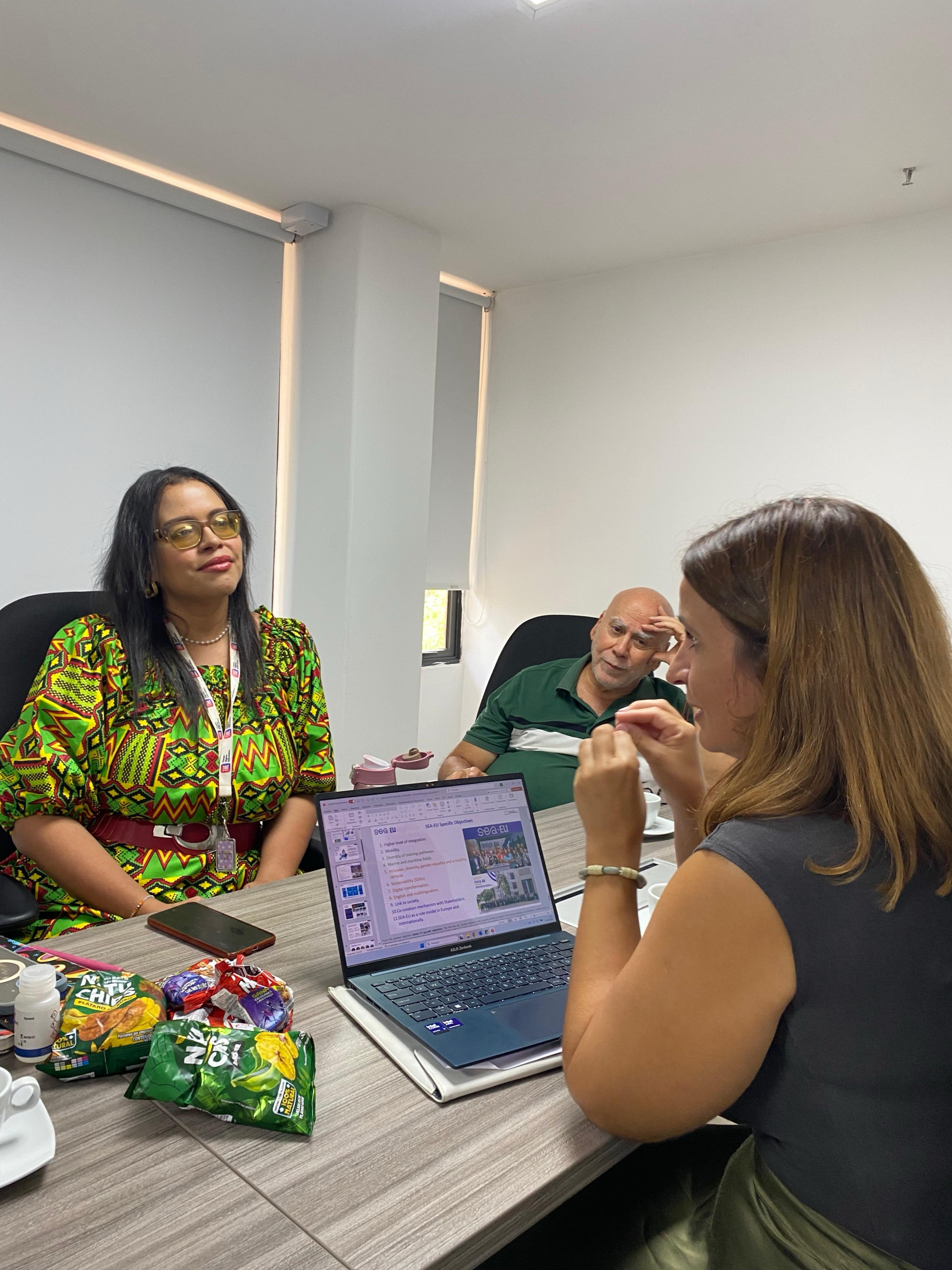
Between 15 and 25 September, researchers Vânia Baptista and Giulia Zeri travelled to Colombia to strengthen collaborations with the Universidad del Magdalena in Santa Marta and the Universidad Simón Bolívar in Barranquilla. This visit allowed the teams to develop closer working relationships, tour the facilities, trial data collection methods and prepare for future joint campaigns.
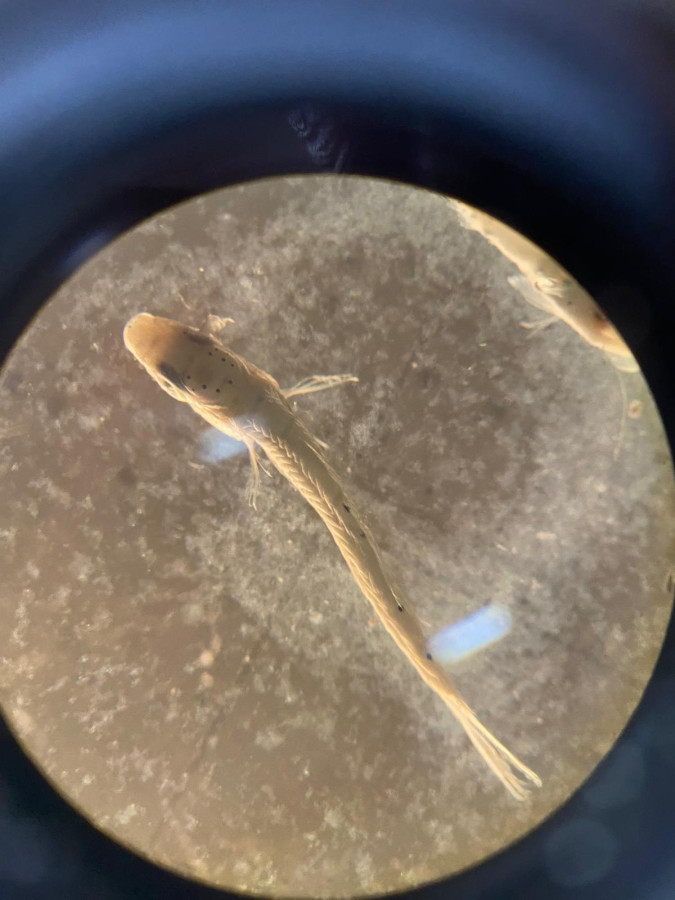
The life of these fish unfolds across different environments. The adults live in rivers, while the larvae head out to sea for the first stage of their development. Later, they must find their way back to freshwater habitats, where they will grow and develop into adults. This journey depends on various environmental conditions, as well as the larvae’s ability to navigate and swim.
If they fail at any stage, fewer juveniles will be able to reach suitable habitats, which puts the renewal of populations at risk. This issue has direct consequences for communities that depend on fishing.
Therefore, understanding these processes is important not only for gaining insight into the biology of these species, but also for determining the future availability of fish and building a more solid scientific basis for fisheries management.
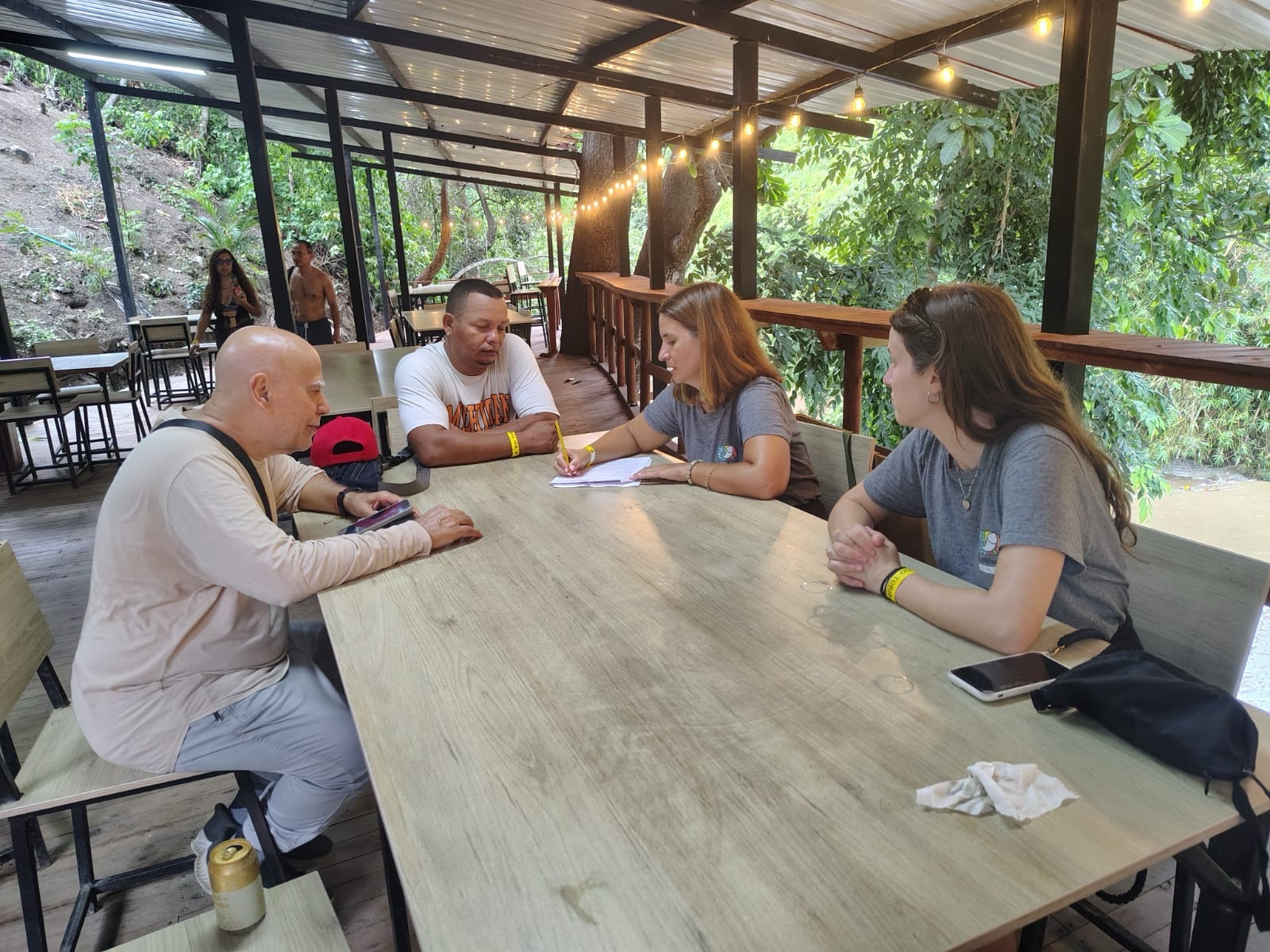
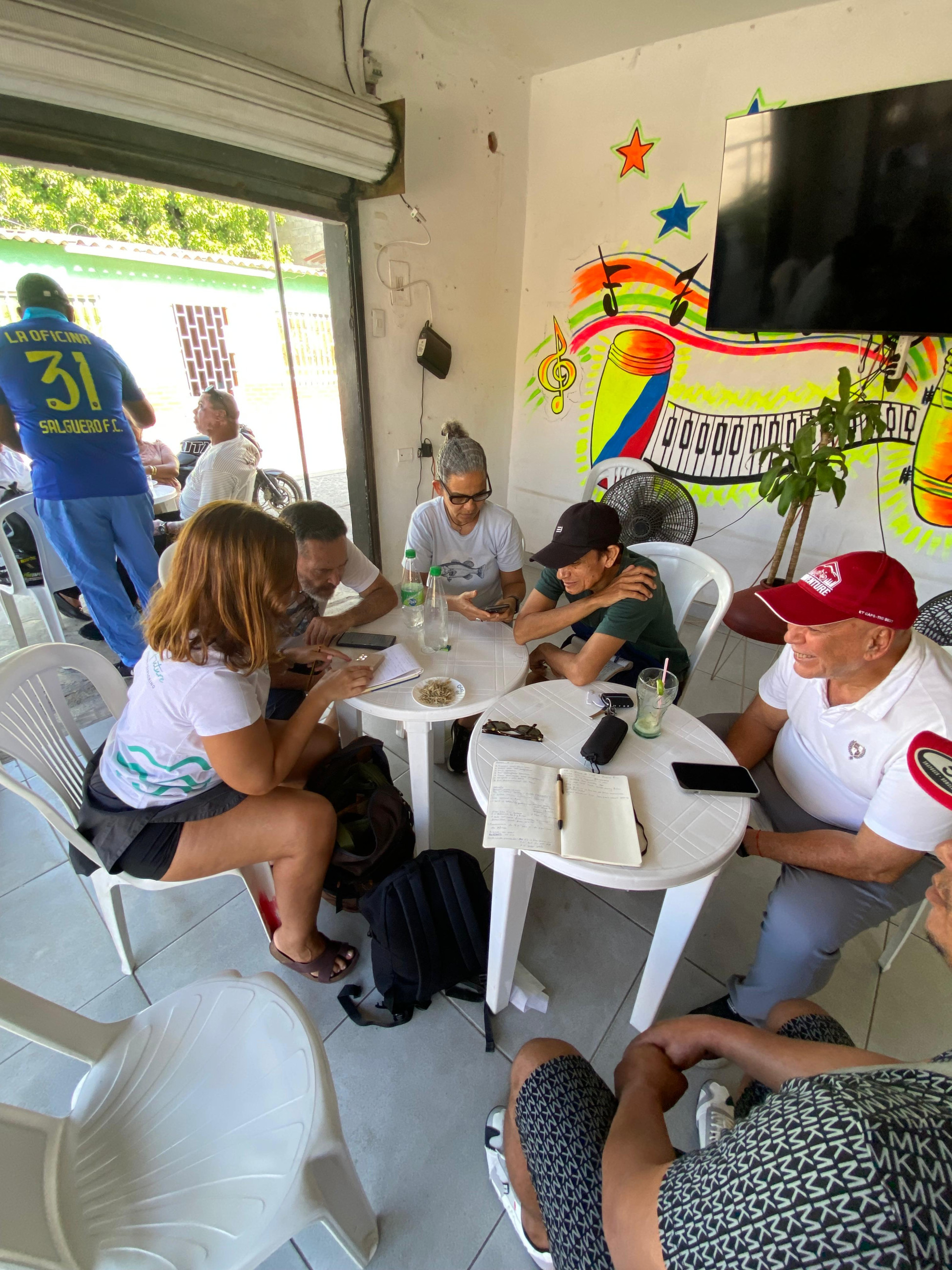
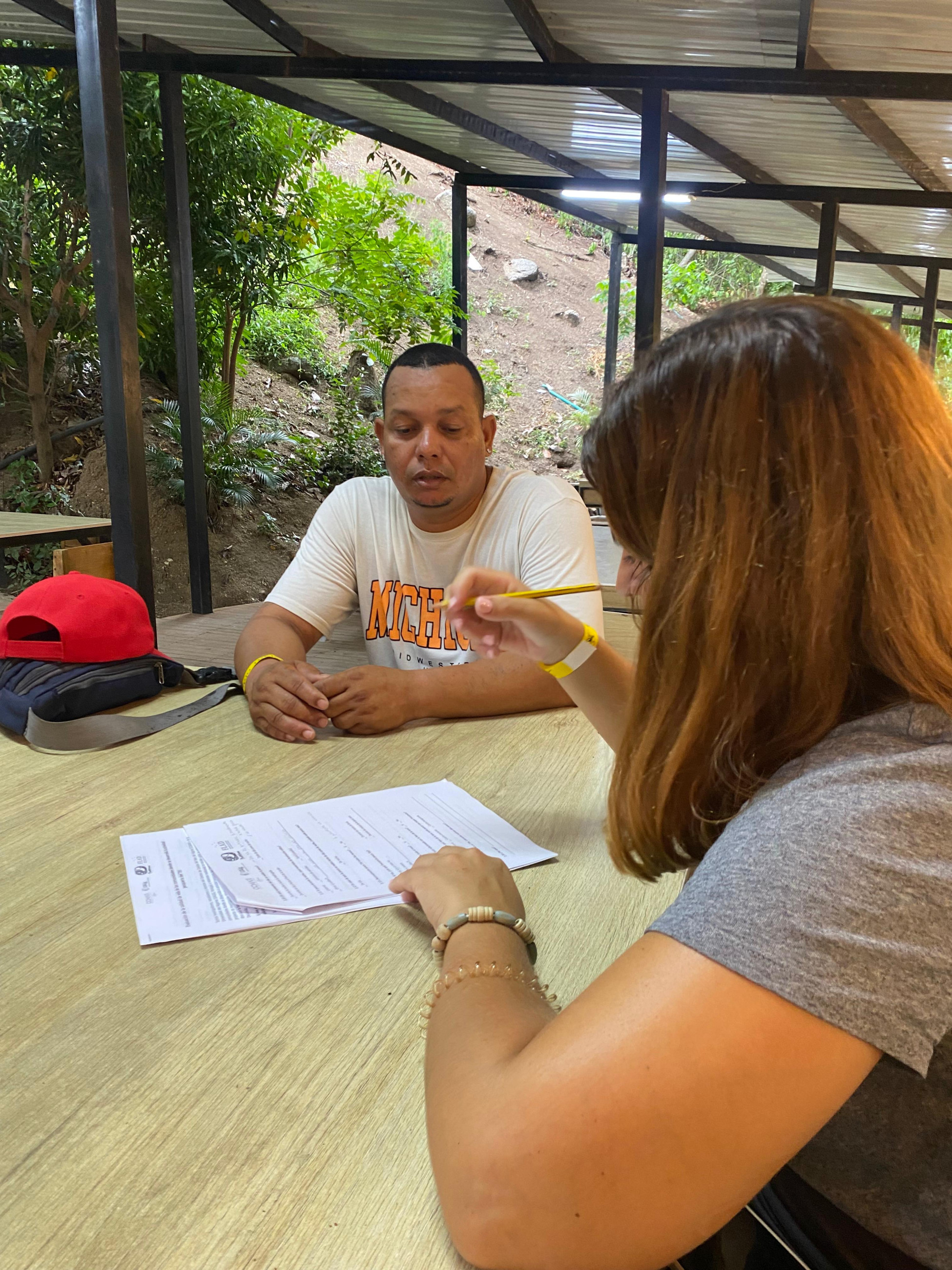
In Colombia's Santa Marta region, the project began with engagement with communities that depend on these resources. The researchers met with small-scale fishermen and tested questionnaires about fishing activity and local quality of life, incorporating the communities’ knowledge into the research.
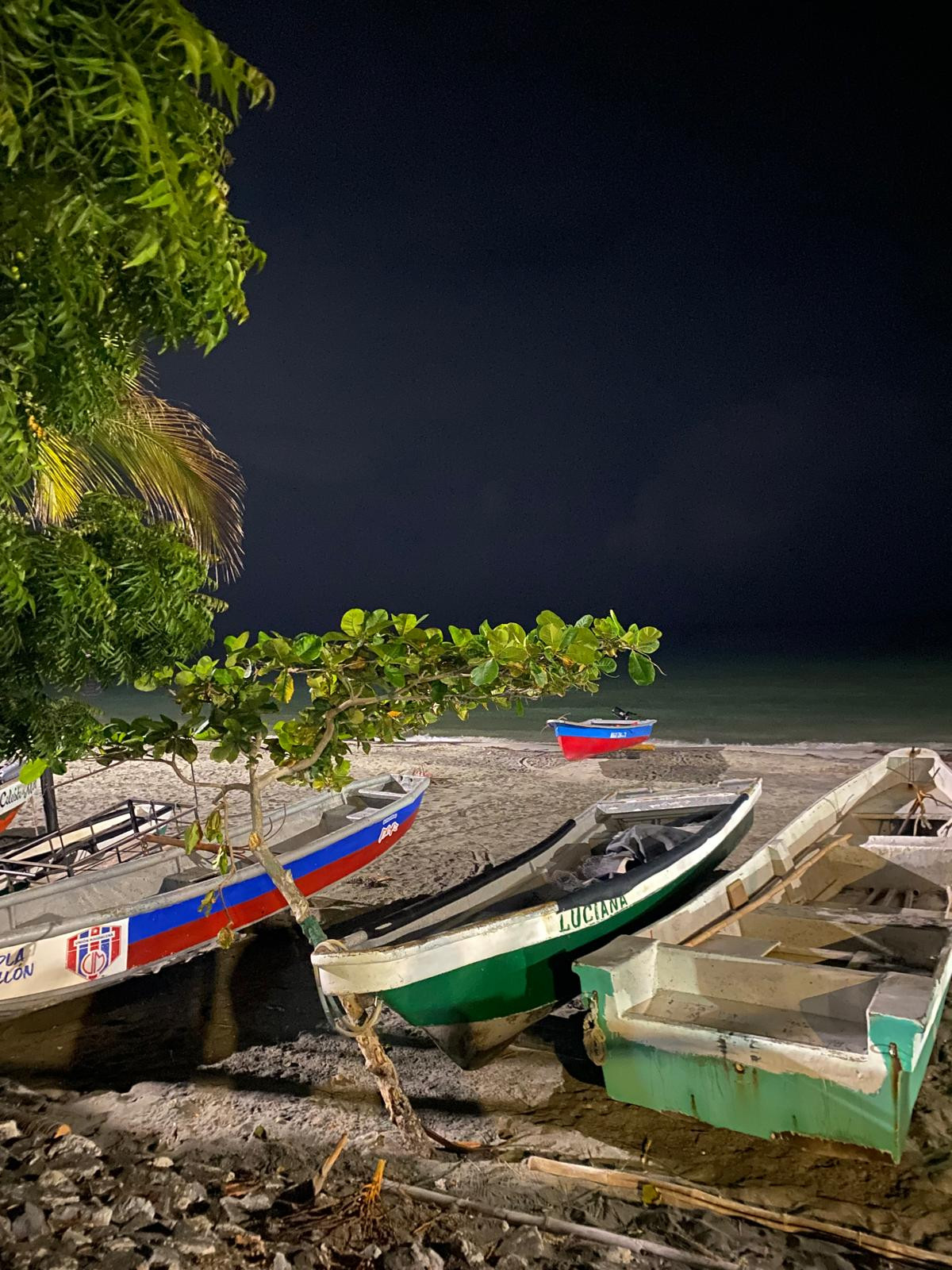
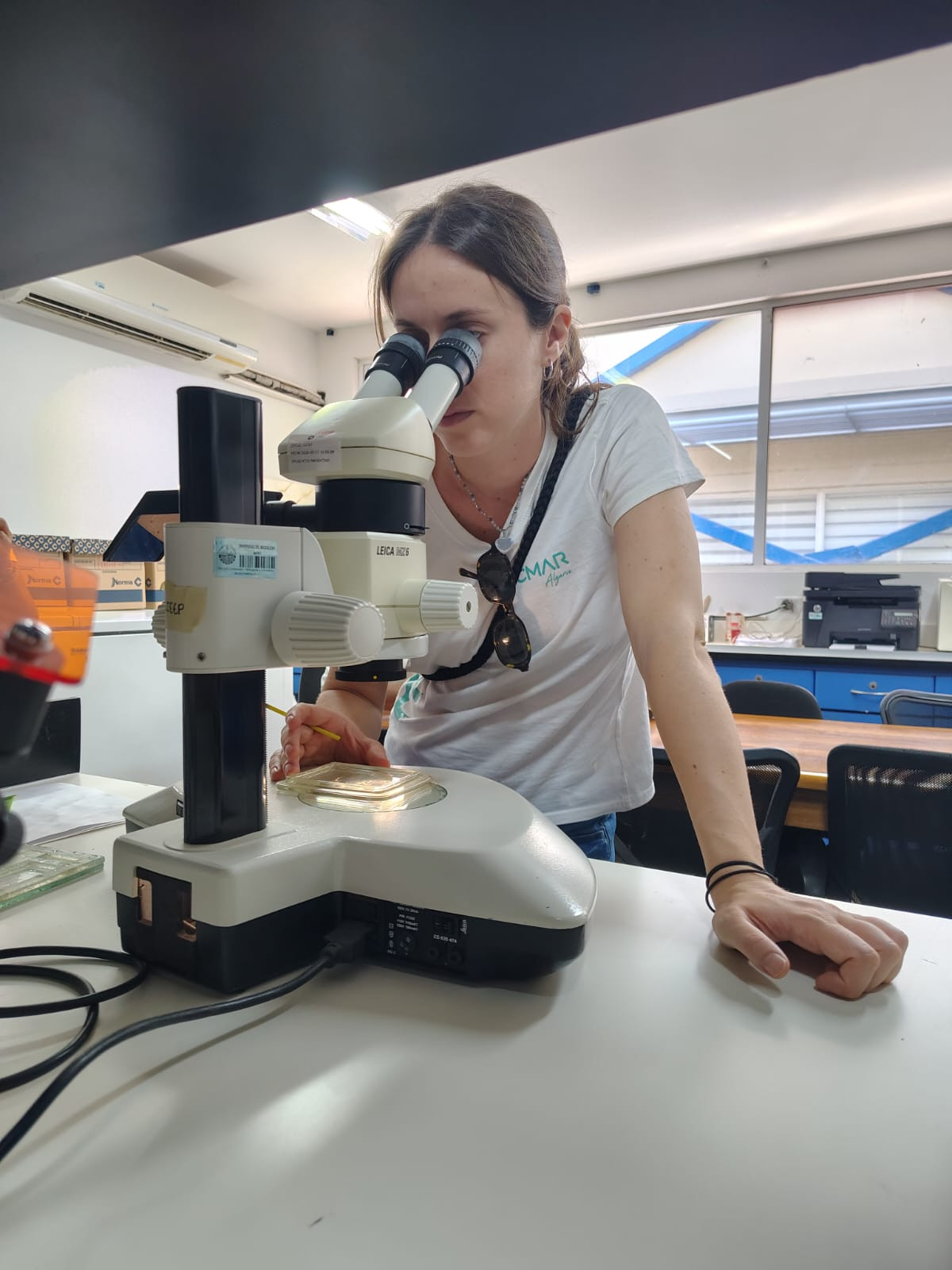
One of the field trips took place at night at sea near the river's mouth. With the help of local fishermen, the team used light traps to attract and collect fish larvae. Back at the zooplankton and ichthyoplankton laboratory at Universidad del Magdalena, the samples were observed and analysed — an essential step in studying the early life stages of these organisms.
This work paves the way for comparisons between different regions of the Atlantic with various species and environmental contexts. As part of the Finding Home project, teams are studying the sensory and swimming abilities of the larvae, as well as the influence of environmental factors, including ocean warming and acidification, on their arrival at the habitats where the fish grow.
Funded by the FLAD Science Award – Atlantic 2024, the project expands upon research that aims to connect fish biology knowledge with tools useful for conserving coastal ecosystems and ensuring the sustainability of fisheries. It brings together scientific teams and local communities to ensure this knowledge informs management decisions tailored to each region's specific circumstances.