
Project Summary
SEAQUEST is a project that comes to identify and fill the existing gap of knowledge and education in seagrasses, focusing on primary education. The partner organizations, each one contributing from their own point of expertise, will collaborate to build an innovative future-oriented Educational Toolkit to support the professional development of primary school teachers (student teachers and in-service teachers) and give them all the knowledge, skills and key competences needed to teach primary school children through informal and non-formal educational processes to lay the foundations for them to become seagrass literate.
The Educational Toolkit will consist of one Curriculum and Guide on Educational Activities (Classroom and Fieldwork/Outdoor Activities) for Teachers, and a an Artificial Intelligence (AI) game available in 3 types of media: 2D desktop, 3D tablet (Lume Pad 2) and 3D immersive VR (Oculus Quest) on the content knowledge that a seagrass-literate child should have. Children will navigate and communicate with an anthropomorphic seagrass character who will be capable of providing verbal responses through the technology of conversational AI.

Seagrass Education for children towards Awareness QUotient for Environmental
Project Activities
State of the Art Report
Curriculum for Teachers
Educational Activities Guide
Digital Game
Newsletters
Press Releases
News
Primary teachers travel to Greece to learn about seagrasses
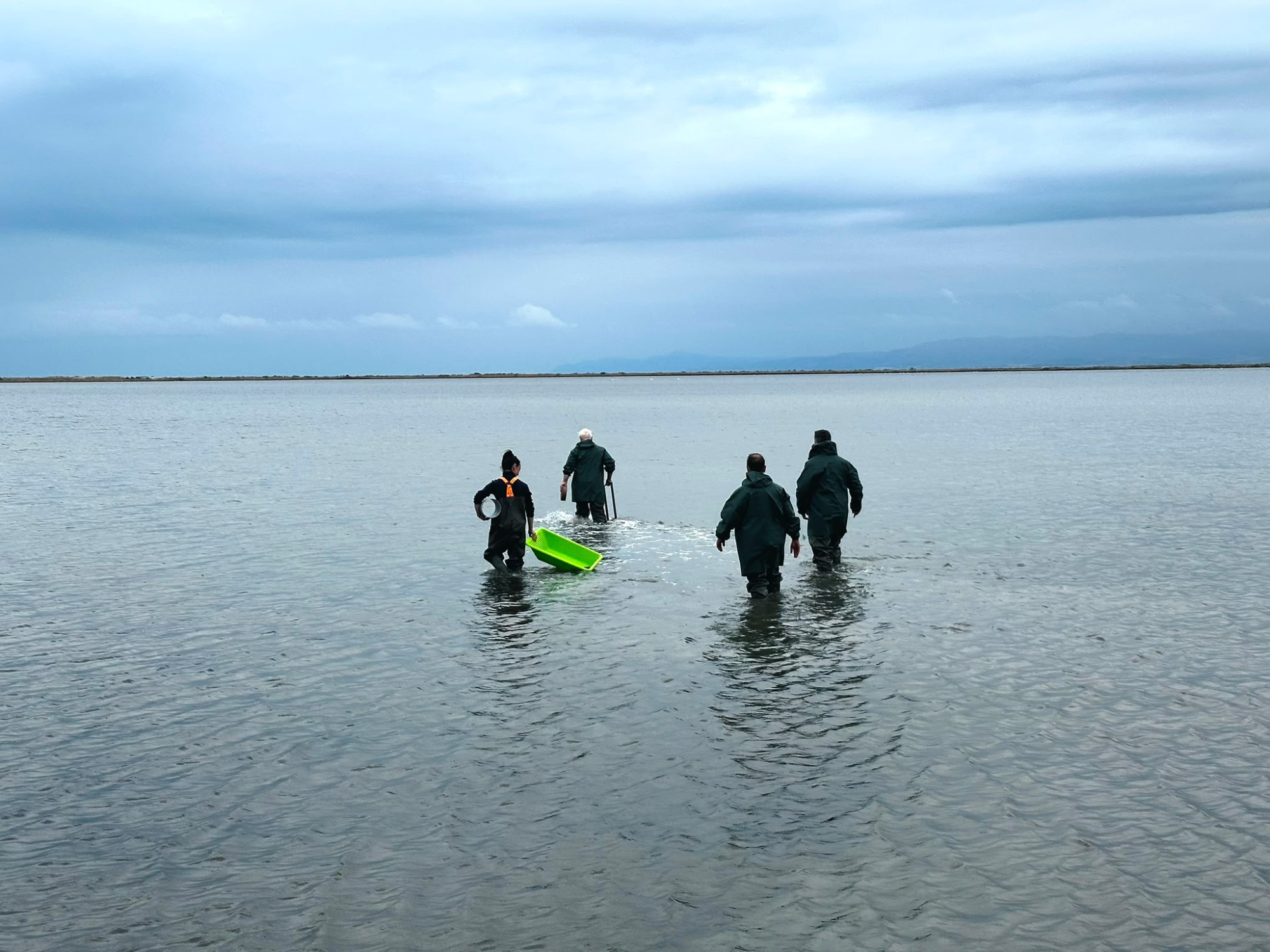
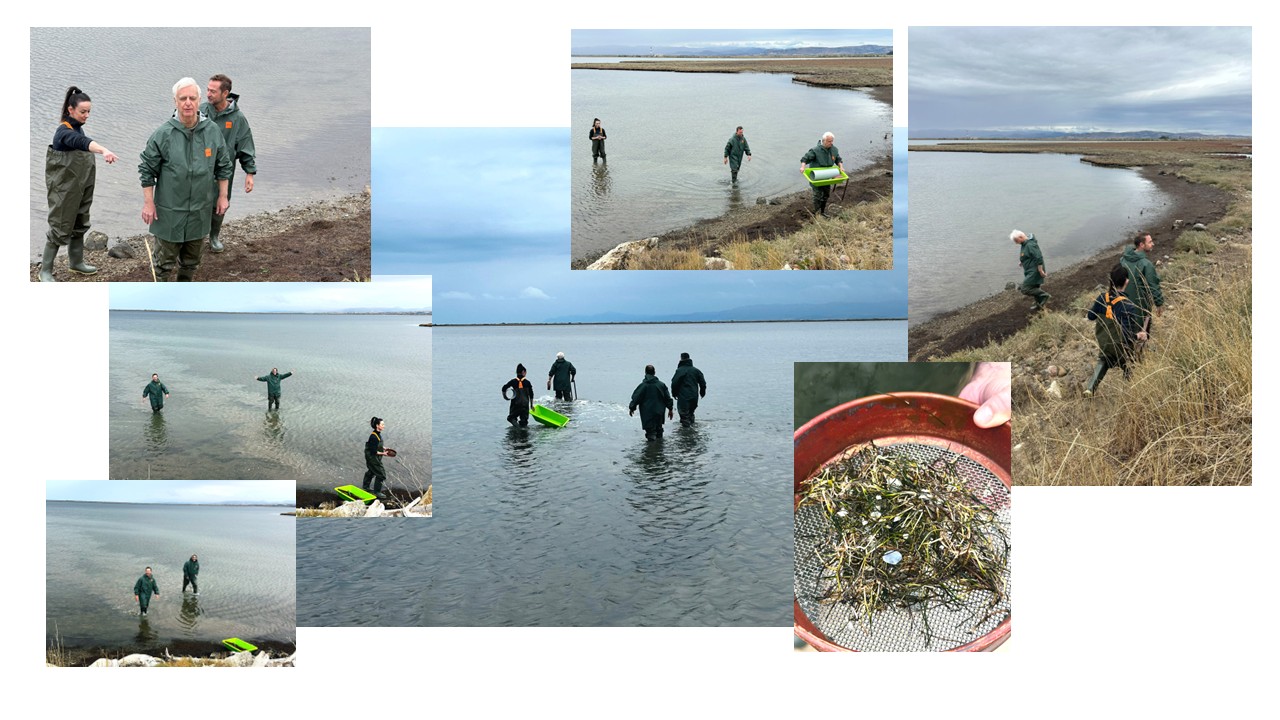
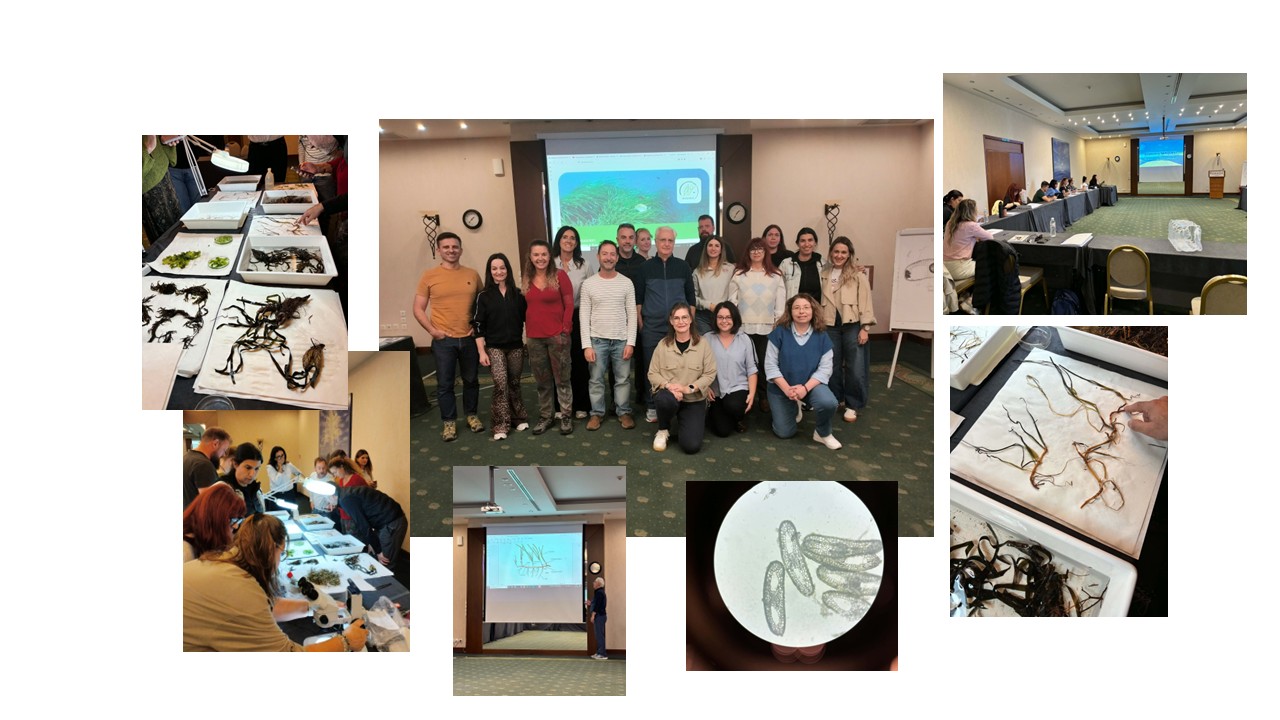
The 1st piloting of the SEAQUEST Massive Opne Online Course (MOOC) and the SEAQUEST Educational Toolkit took place very successfully on October 11, 13, and 14, 2026 in Alexandroupolis, Greece. The activity included the presentation and evaluation of the project's educational material (SEAQUEST Curriculum for Teachers and SEAQUEST Educational Activities Guide for Teachers), and the project's interactive digital game and MOOCs; the implementation of a number of lesson plans; and a field trip to a seagrass bed (experiential learning focused on seagrass ecosystems). Teacher trainers from Greece (DUTH and AUTH), Cyprus (STANDO), Portugal (CCMAR), and Denmark (AAU) participated in this activity. The expected results of this activity are the follows: Evaluation reports and feedback of teachers' trainers on the quality of the SEAQUEST MOOCs, the Educational toolkit and the digital game pilottested. Issue of Certificate of Attendance, Digital badges, ECTS credits.
III National Conference on Ocean Literacy
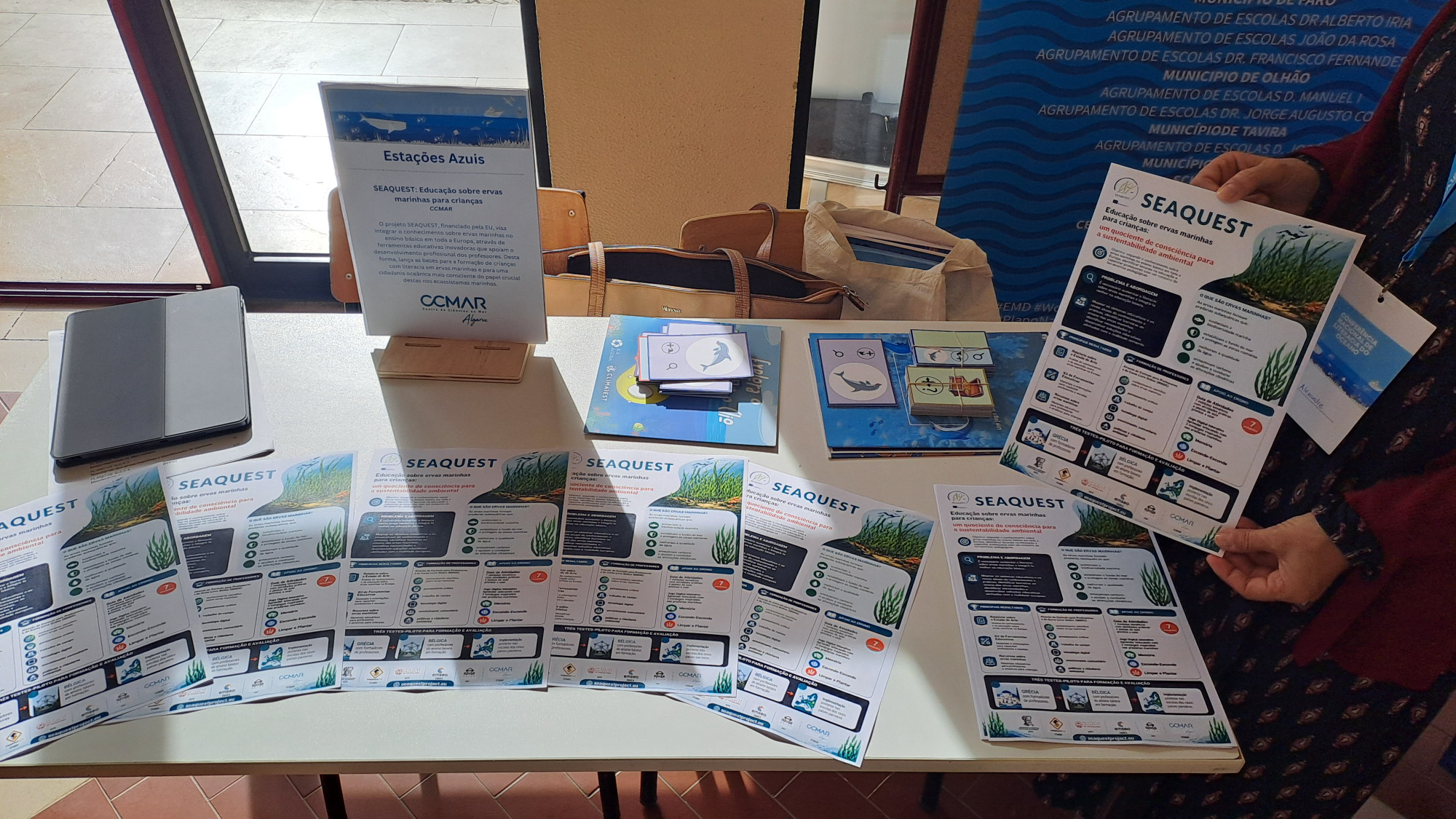
SEAQUEST promotes Seagrass Literacy at the III National Ocean Literacy Conference
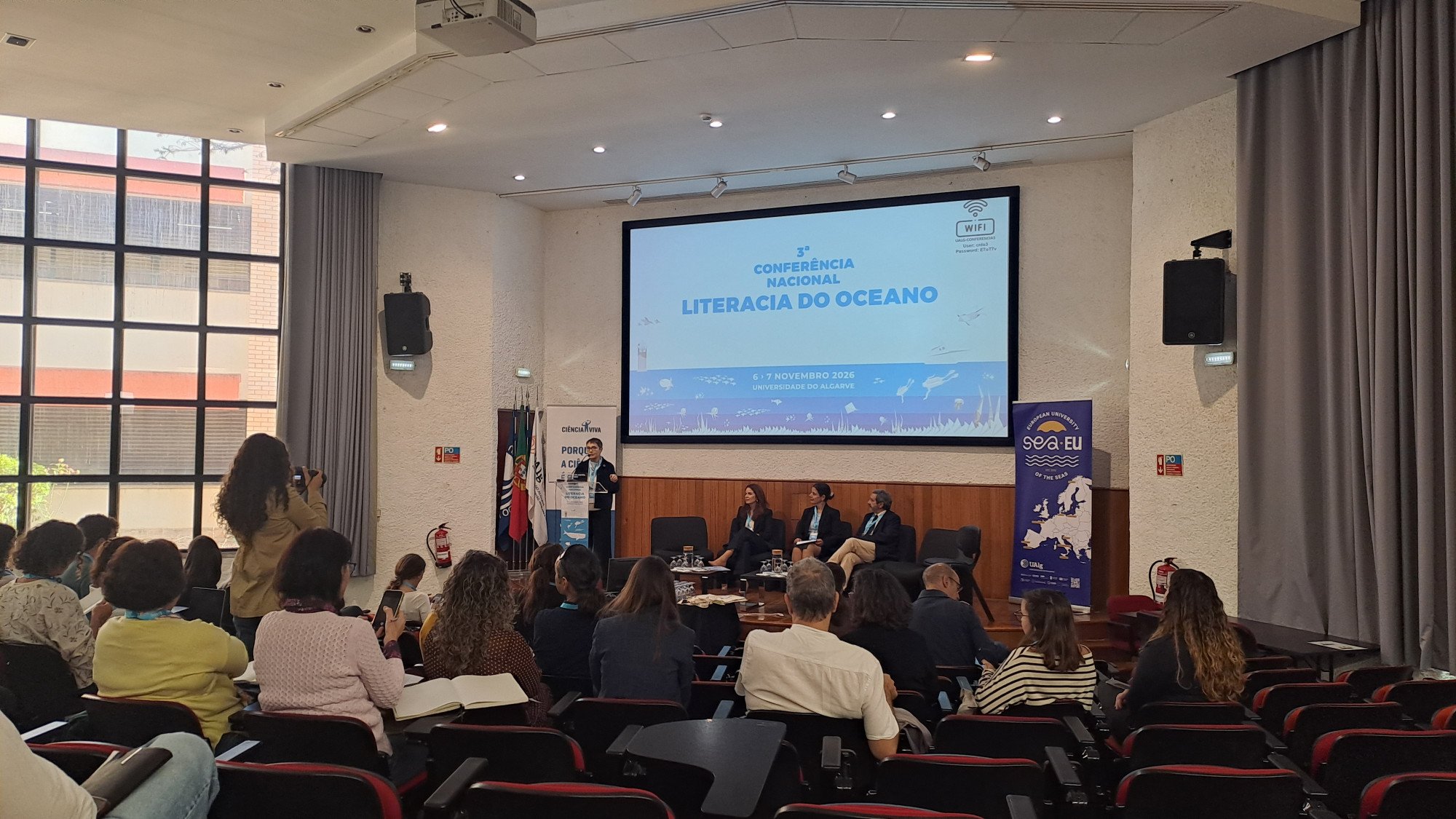
The SEAQUEST project took part in the III National Ocean Literacy Conference, held on 6 and 7 November at the University of Algarve, in Faro, Portugal.
During the event, SEAQUEST showcased its innovative educational resources, including the Educational Toolkit and the Massive Open Online Course (MOOC). These resources have been developed to empower teachers with the knowledge and tools needed to bring seagrasses into the classroom, fostering Seagrass Literacy and inspiring the next generation of ocean-literate citizens.
The conference provided a valuable opportunity to discuss the role of education in promoting Ocean Literacy and the importance of engaging society in ocean conservation. Through roundtable discussions, participants explored a range of topics, including the social impact of emerging Blue Economy companies and their contribution to Ocean Literacy, the assessment and communication of literacy initiatives, and ways to encourage greater public involvement in protecting our oceans. The programme also highlighted projects and initiatives led by young people aged 9 to 25, showcasing the importance of empowering younger generations as active contributors to ocean sustainability.
SEAQUEST's project was met with great enthusiasm, attracting considerable interest and a high number of visitors to the project's stand, particularly among teachers. This positive response highlights the growing interest in educational resources that bring marine ecosystems, and seagrasses in particular, closer to schools and younger generations.
Scientific publications
CCMAR Coordinators

CCMAR Members


