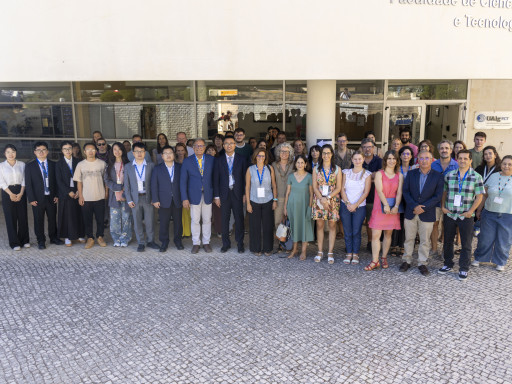
CCMAR continues to reinforce its collaboration with the IMBRSea programme, through EMBRC, by welcoming a group of international students for short-term internships across several research groups and core facilities. These experiences not only provide valuable training opportunities for the students, but also highlight the role of
CCMAR researchers and teams in mentoring and supporting the next generation of marine scientists.
During this period, eight IMBRSea students were hosted at CCMAR, working across different thematic areas including marine ecology, restoration, climate change biology, aquaculture, and research support facilities.
Hands-on research in marine biology and climate change
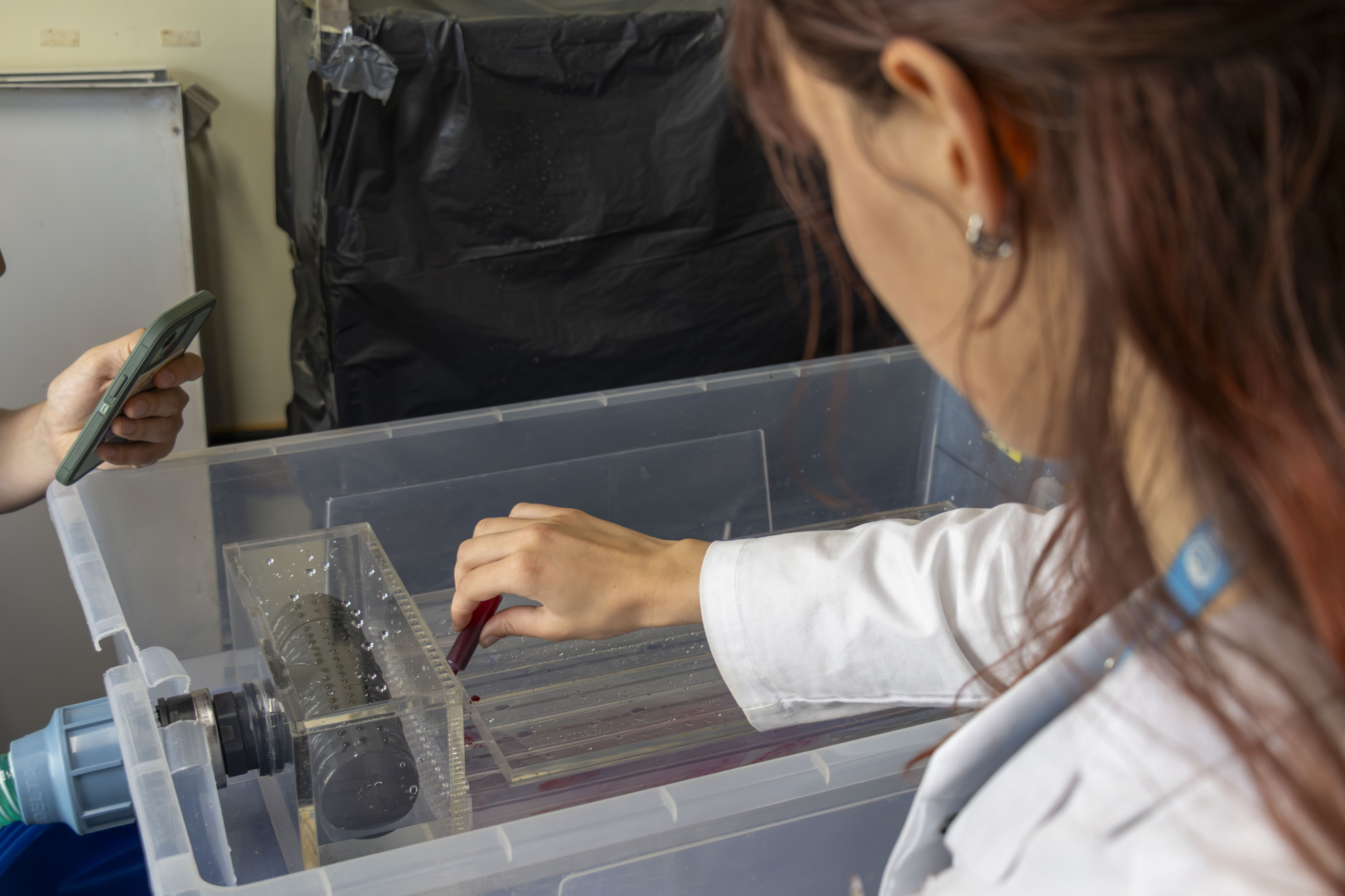
Within the Comparative Endocrinology and Integrative Biology group (CEIB), Leila Kopplin and Axelle de Boeck spent six weeks working under the supervision of Zélia Velez. Their internship focused on the effects of elevated ocean temperatures on the embryonic development of catsharks, simulating future climate scenarios and extreme conditions.
The students highlighted the opportunity to gain hands-on experience with live animal handling and advanced laboratory techniques, including microscopic imaging, blood sampling, and fluorescent staining. Beyond technical skills, they also emphasised the importance of working within an international and inclusive research environment, as well as the close mentoring relationship with their supervisor.
Both students described their experience as highly formative, particularly in understanding the realities of experimental marine research and its ethical dimensions.
Marine restoration and ecosystem biodiversity
A strong focus on marine restoration was represented by two students, Manuela Cristaldi and Leonardo Fusaro, who worked within the RestoreSeagrass project under the supervision of João Neiva and Duarte Frade.
Their research explored the biodiversity of restored seagrass meadows and assessed how artificial habitats compare to natural ecosystems, with the goal of evaluating their potential as ecological surrogates. The work combined field sampling, laboratory analysis, and species identification, offering a comprehensive introduction to applied restoration science.
Both students highlighted the value of field-based learning, including participation in scientific diving, as well as the collaborative and international nature of the research team. They also noted the balance between independence and guidance provided by their supervisors, which allowed them to develop both technical and organisational skills.
Experimental ecology and kelp restoration research
In another restoration-focused internship, Eric Schuster, Melissa Piselli, and Jan Lennartz joined the Restore Kelp research line under the supervision of Luís Barreto and Gareth Pearson within the BEE group.
Their work contributed to the optimisation of restoration techniques for Laminaria ochroleuca, focusing on experimental protocols for gametophyte cultivation and kelp propagation. This included laboratory-based experimental design, sterile techniques, and the use of specialised incubation systems.
The students reported significant gains in laboratory confidence and technical proficiency, particularly in experimental ecology methods, microscopy, and the use of core lab equipment. They also highlighted the collaborative and supportive atmosphere within the team, which facilitated learning and independent experimentation.
Beyond research groups,
CCMAR also hosted Robert Tornow within the Imaging and Communications departments, under the supervision of Carina Monico and Andreia Sofia Pinto.
His internship provided exposure to a wide range of activities, including microscopy imaging, scientific visualisation, and communication-related projects. Working across different teams, he contributed to both daily operational tasks and creative outputs such as scientific imaging and video production.
This interdisciplinary experience offered insight into the role of core facilities in supporting research across the Centre, while also developing transferable skills in imaging, media production, and scientific communication.
A shared learning experience
Across all internships, students consistently highlighted the importance of mentorship, international collaboration, and hands-on learning. While technical skills varied across disciplines, from embryology and restoration ecology to imaging and experimental aquaculture, the shared experience at CCMAR was defined by close interaction with supervisors and research teams. These internships not only contributed to the academic and professional development of the students involved, but also reinforced CCMAR’s role as a collaborative and training-oriented research environment.
By hosting IMBRSea students across multiple research areas, CCMAR continues to strengthen its ties with the programme and support the development of future marine science professionals through integrated, real-world research experiences. We would like to extend a special thank you to Robert Tornow for collecting the interviews and photographic material that made this feature possible.
Check out the gallery below!

Eric Schuster, Melissa Piselli, and Jan Lennartz under the supervision of Luís Barreto and Gareth Pearson within the BEE group
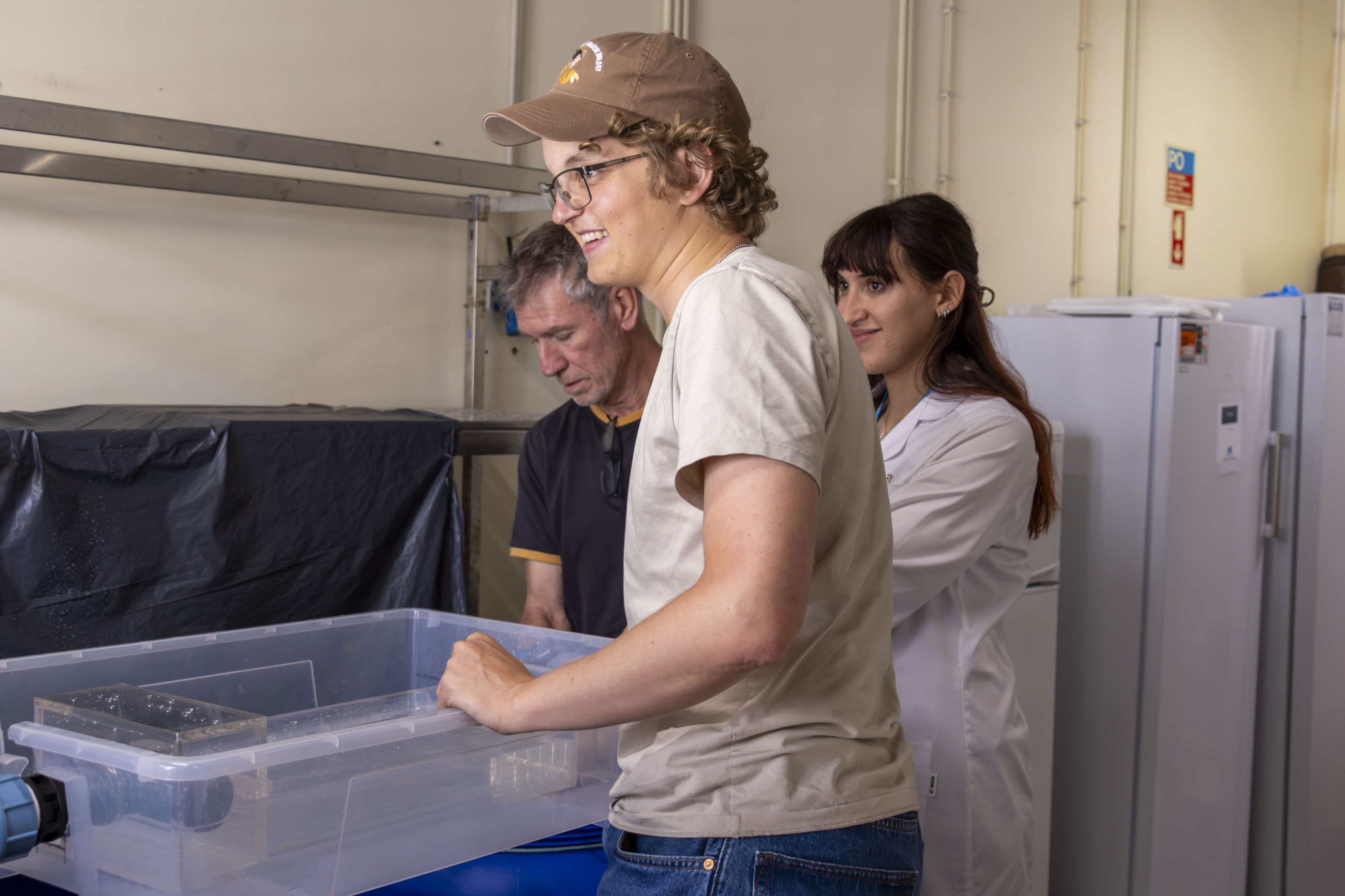
Eric Schuster, Melissa Piselli, and Jan Lennartz under the supervision of Luís Barreto and Gareth Pearson within the BEE group
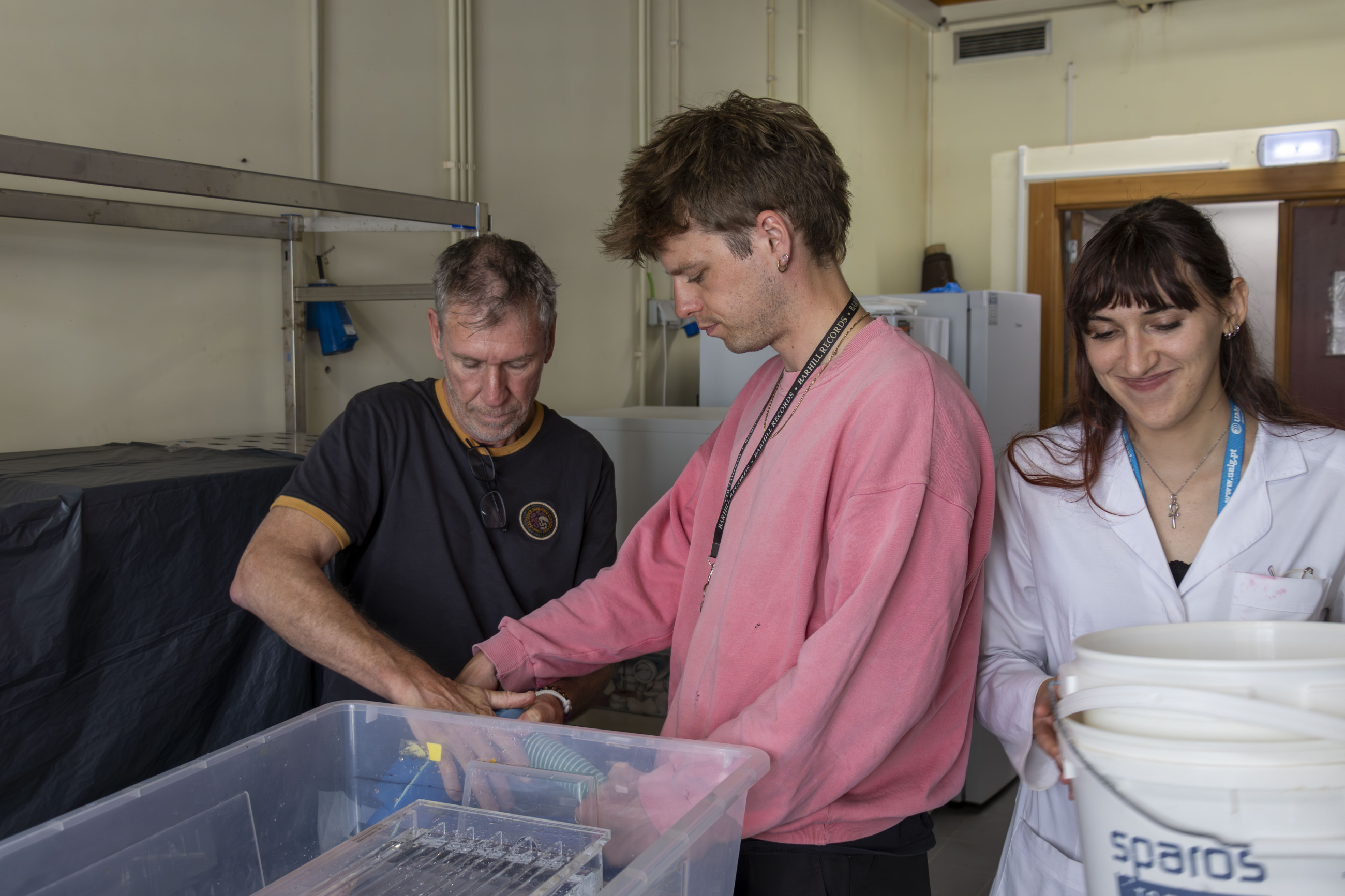
Eric Schuster, Melissa Piselli, and Jan Lennartz under the supervision of Luís Barreto and Gareth Pearson within the BEE group
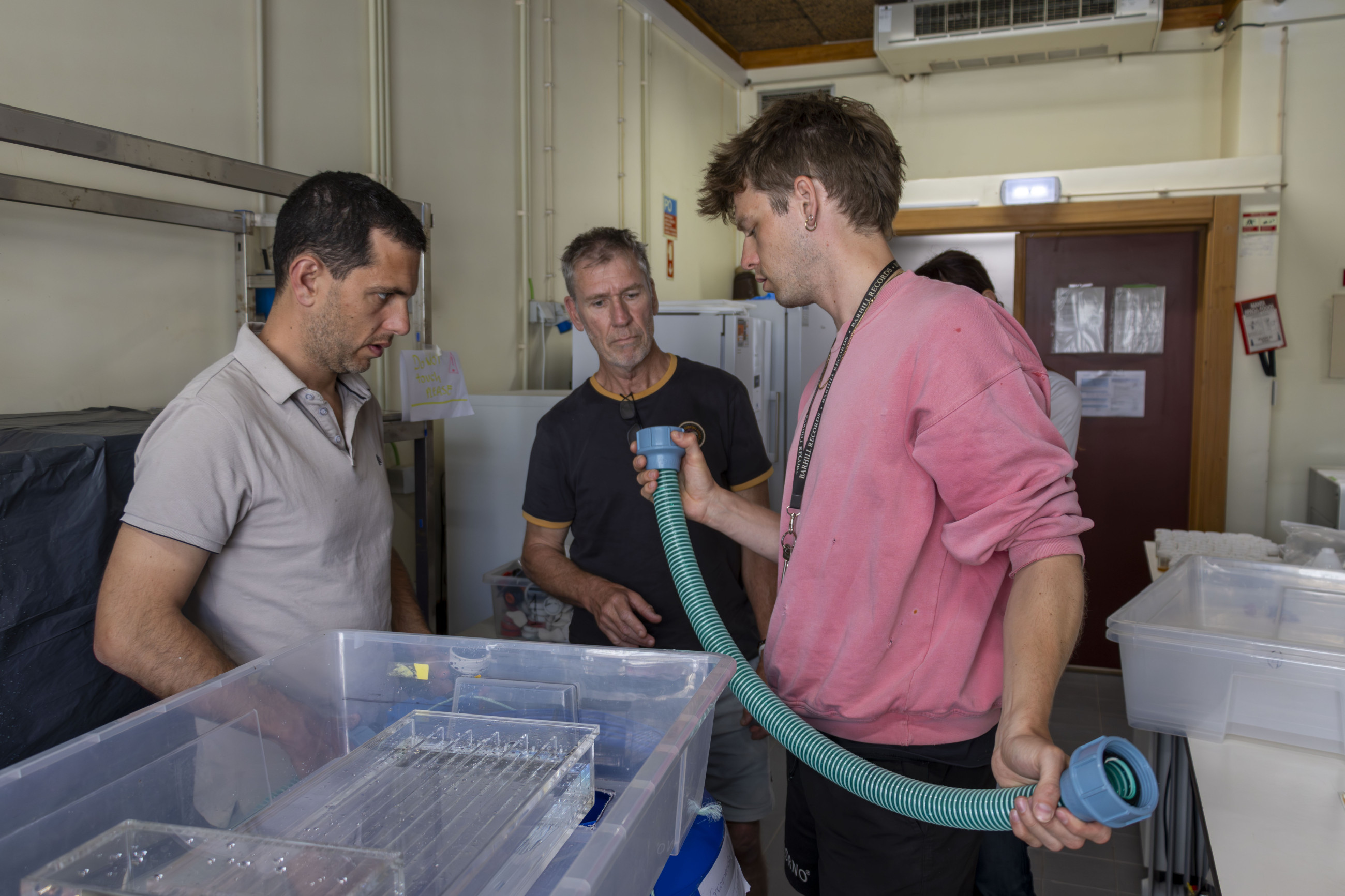
Eric Schuster, Melissa Piselli, and Jan Lennartz under the supervision of Luís Barreto and Gareth Pearson within the BEE group
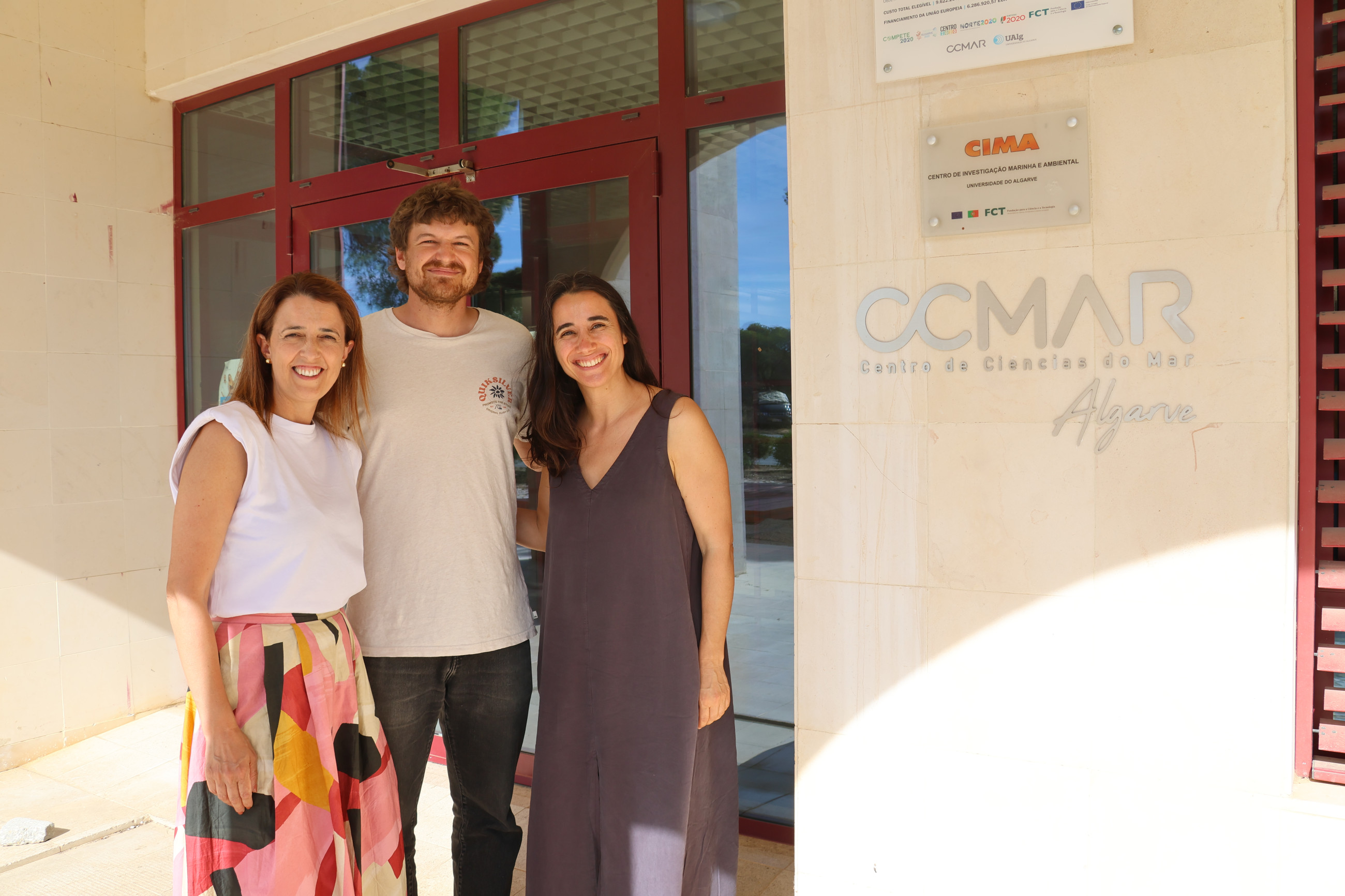
Robert Tornow with Carina Monico and Andreia Pinto
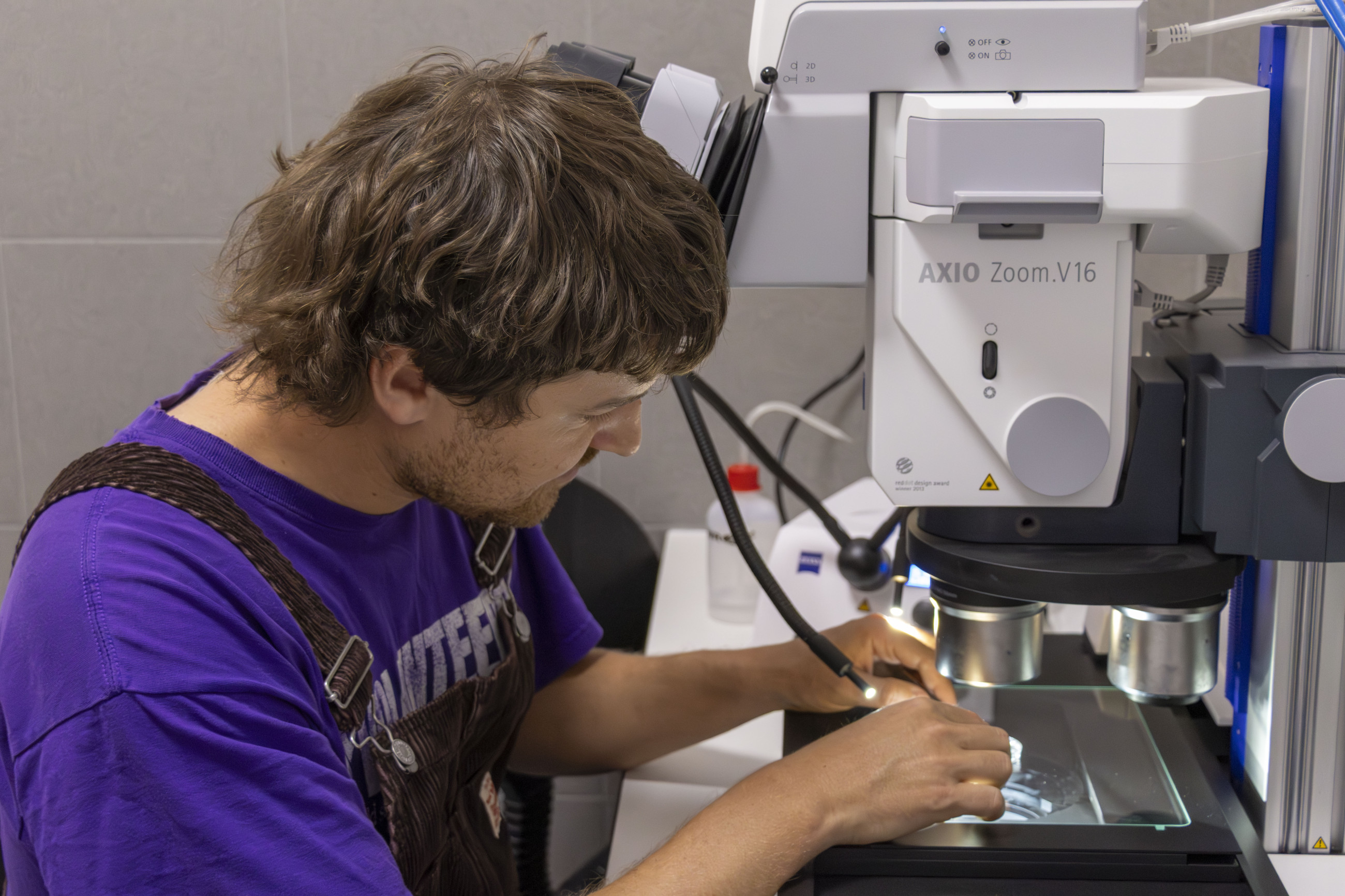
Robert Tornow within the Imaging Platform under the supervision of Carina Monico
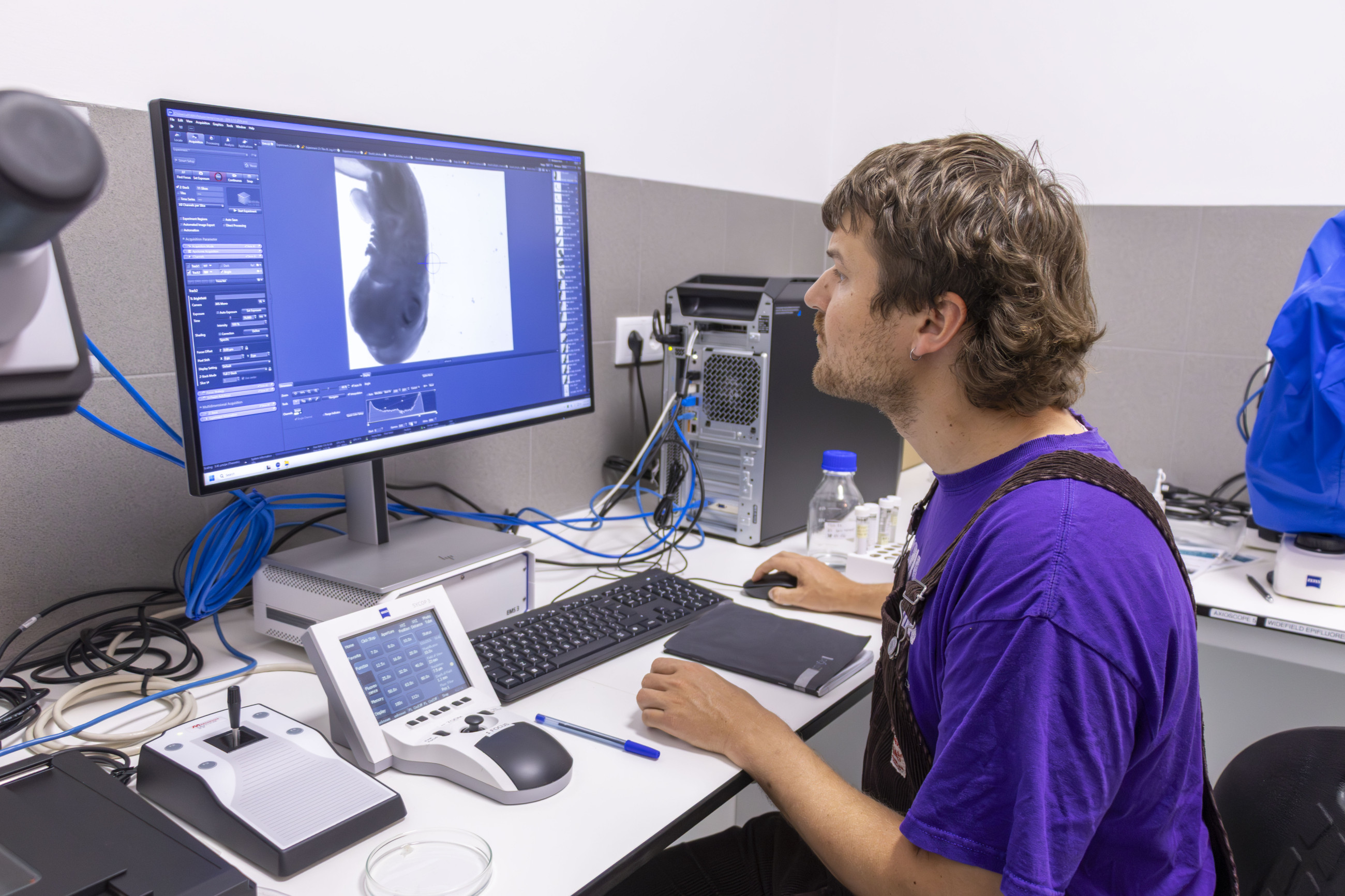
Robert Tornow within the Imaging Platform under the supervision of Carina Monico
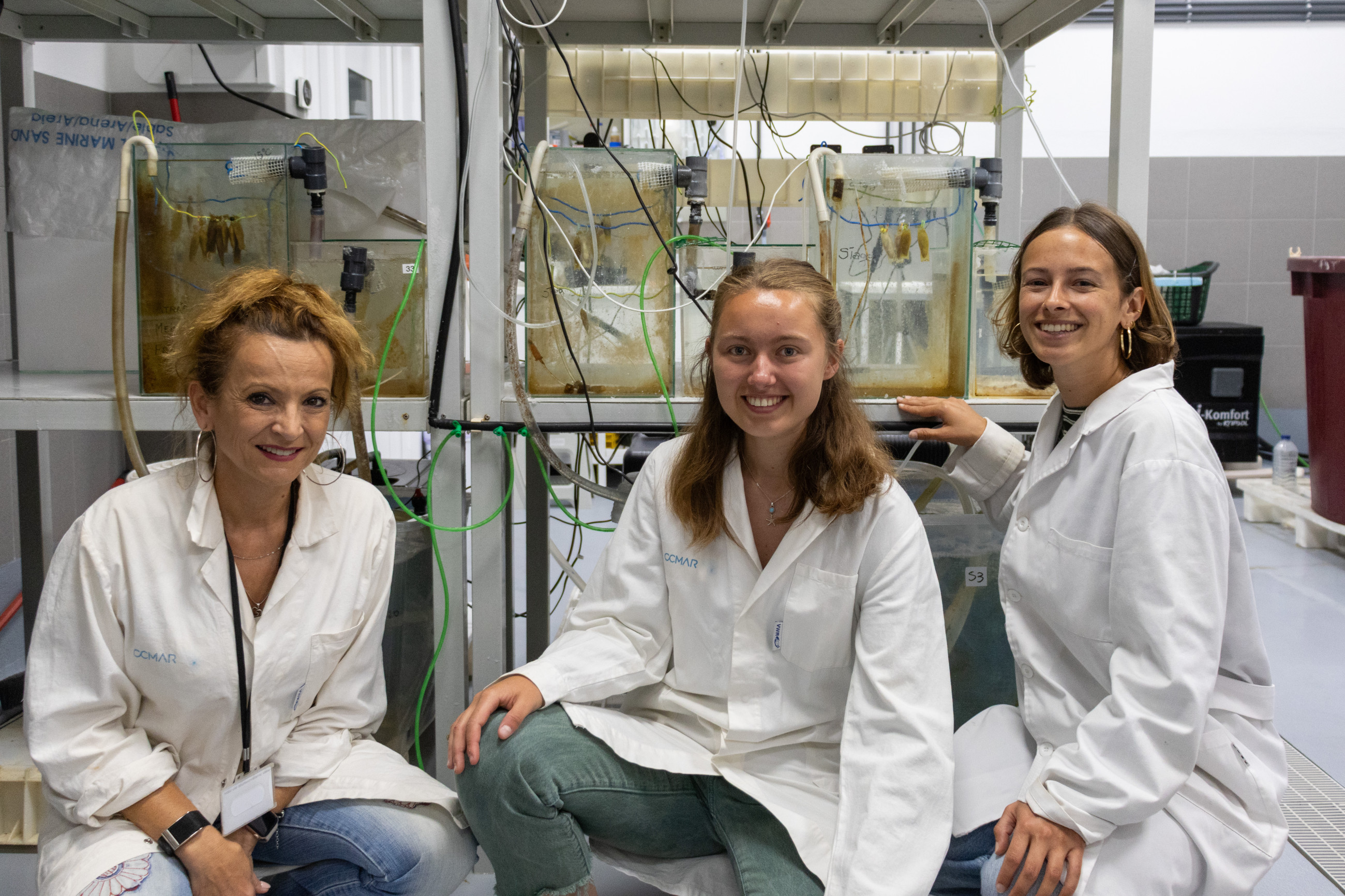
Leila Kopplin and Axelle de Boeck working under the supervision of Zélia Velez
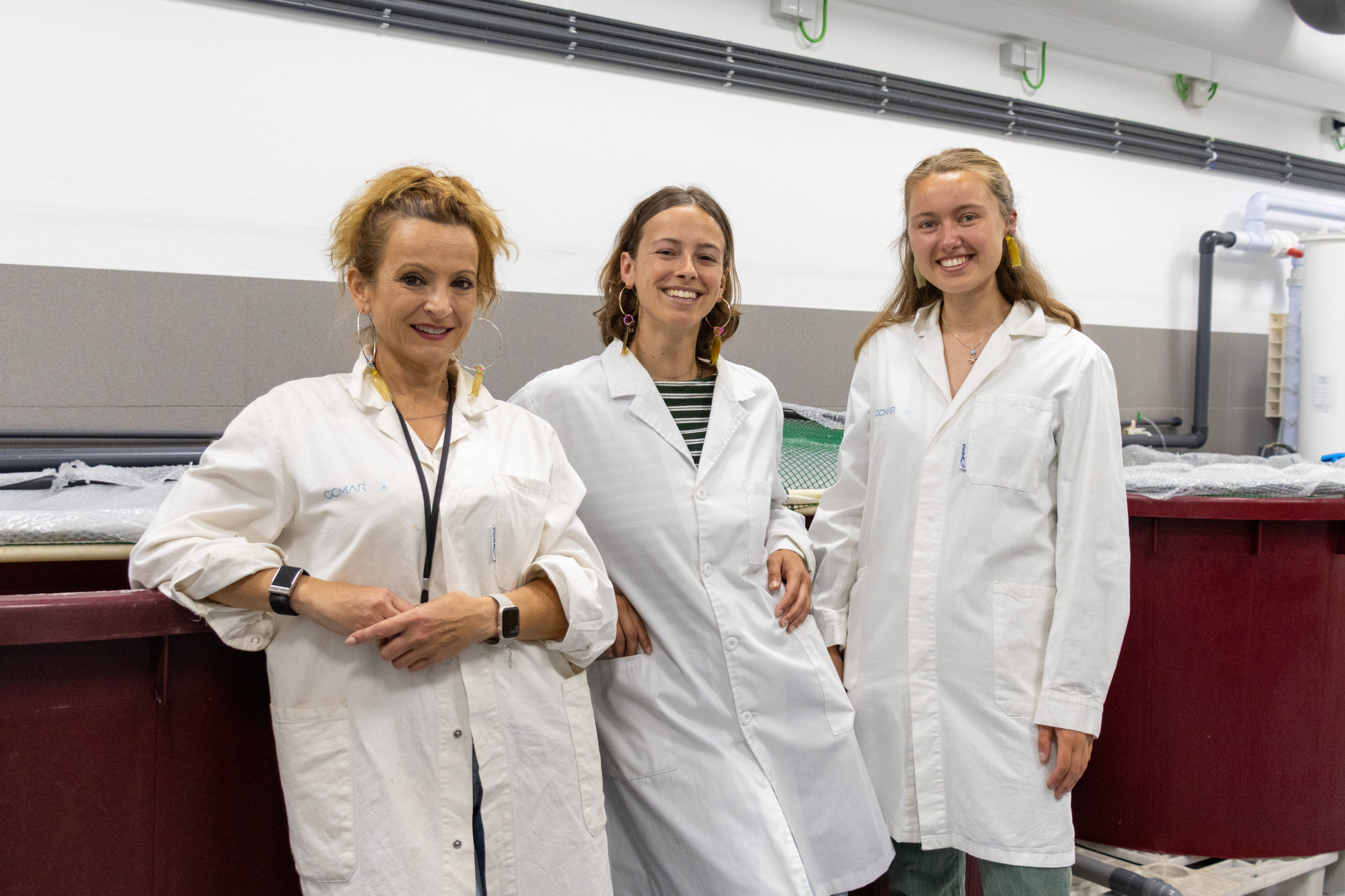
Leila Kopplin and Axelle de Boeck working under the supervision of Zélia Velez
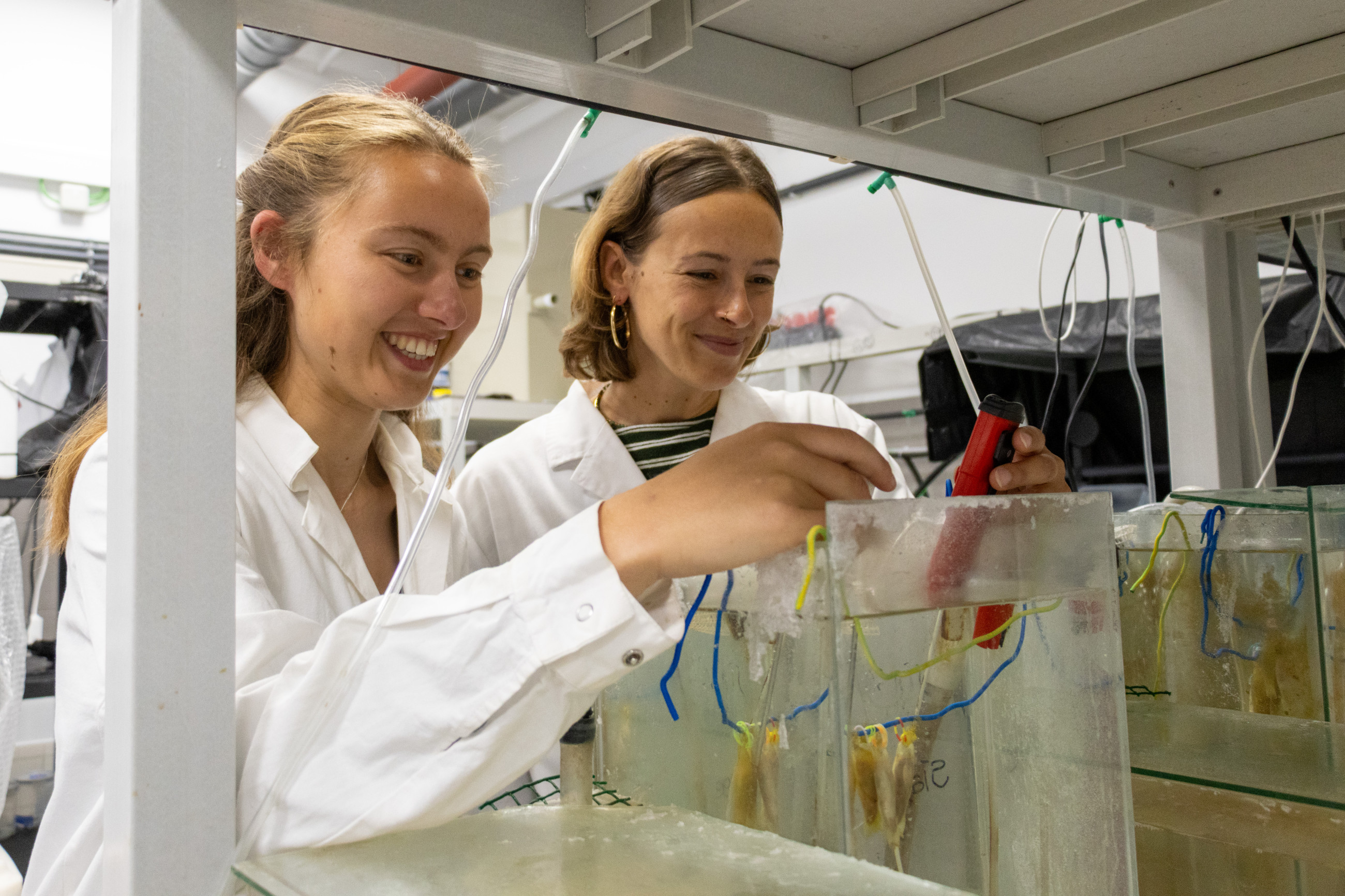
Leila Kopplin and Axelle de Boeck working under the supervision of Zélia Velez
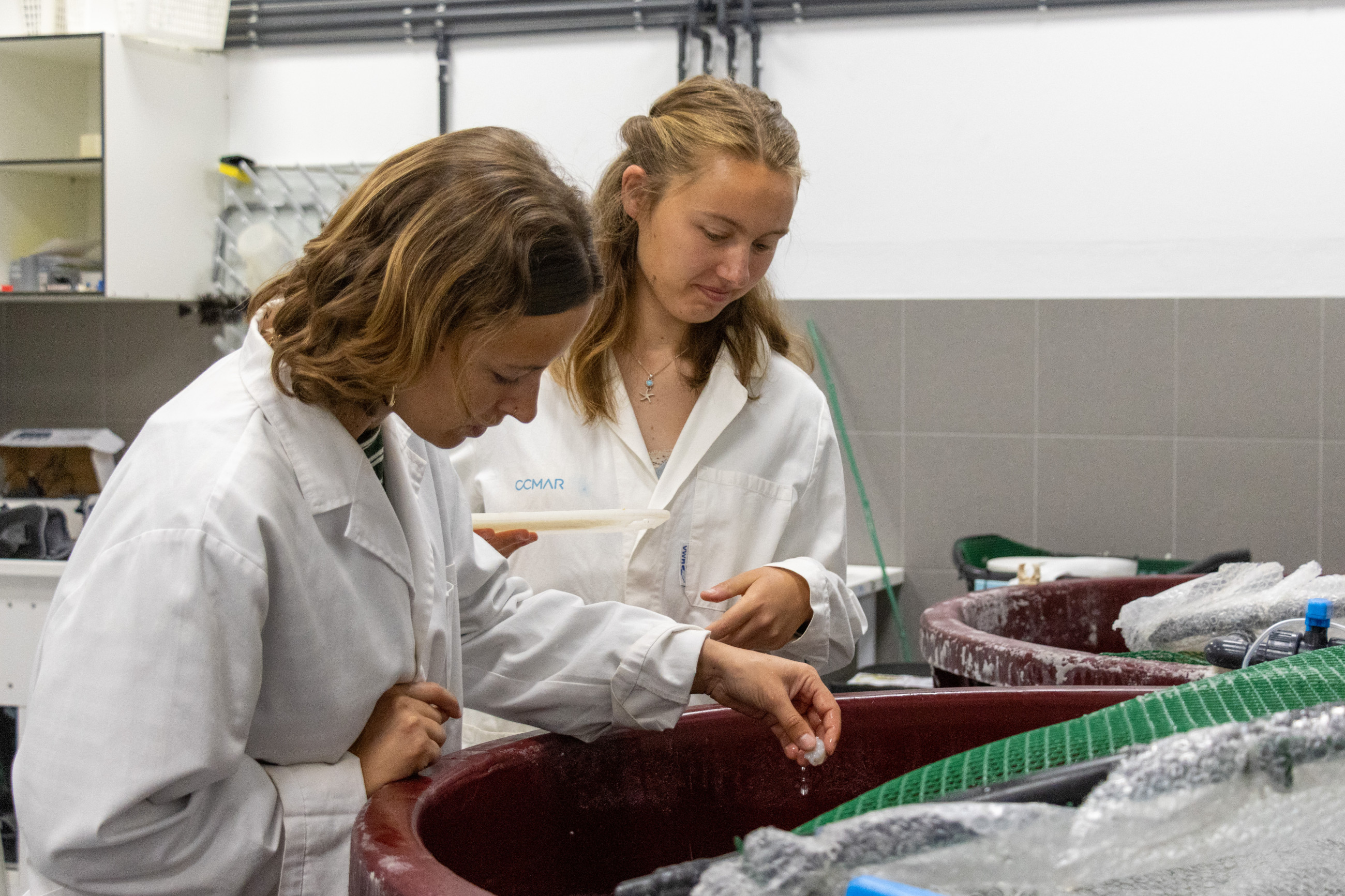
Leila Kopplin and Axelle de Boeck working under the supervision of Zélia Velez

Manuela Cristaldi and Leonardo Fusaro, who worked within the RestoreSeagrass project under the supervision of João Neiva and Duarte Frade
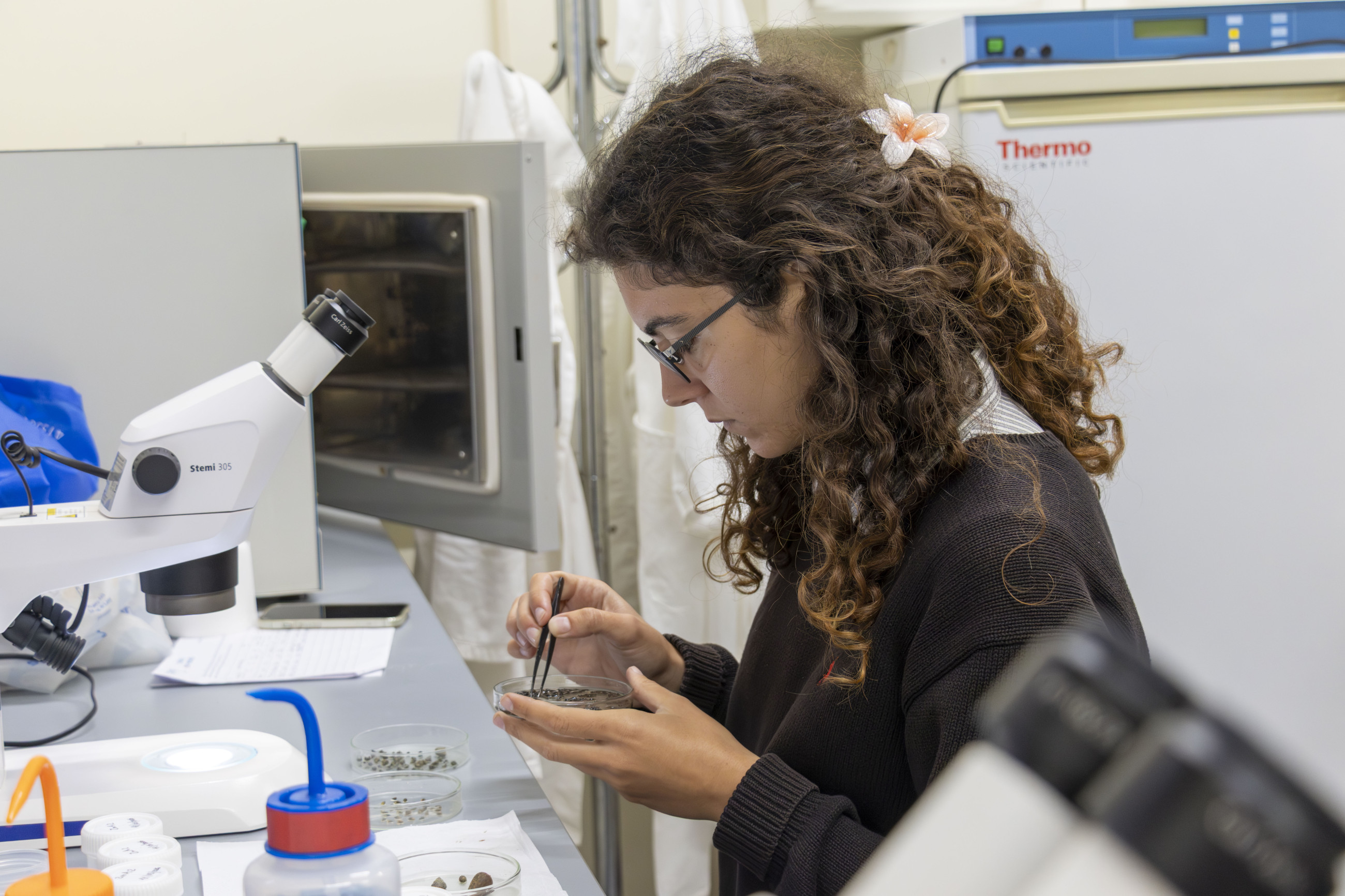
Manuela Cristaldi within the RestoreSeagrass project under the supervision of João Neiva and Duarte Frade
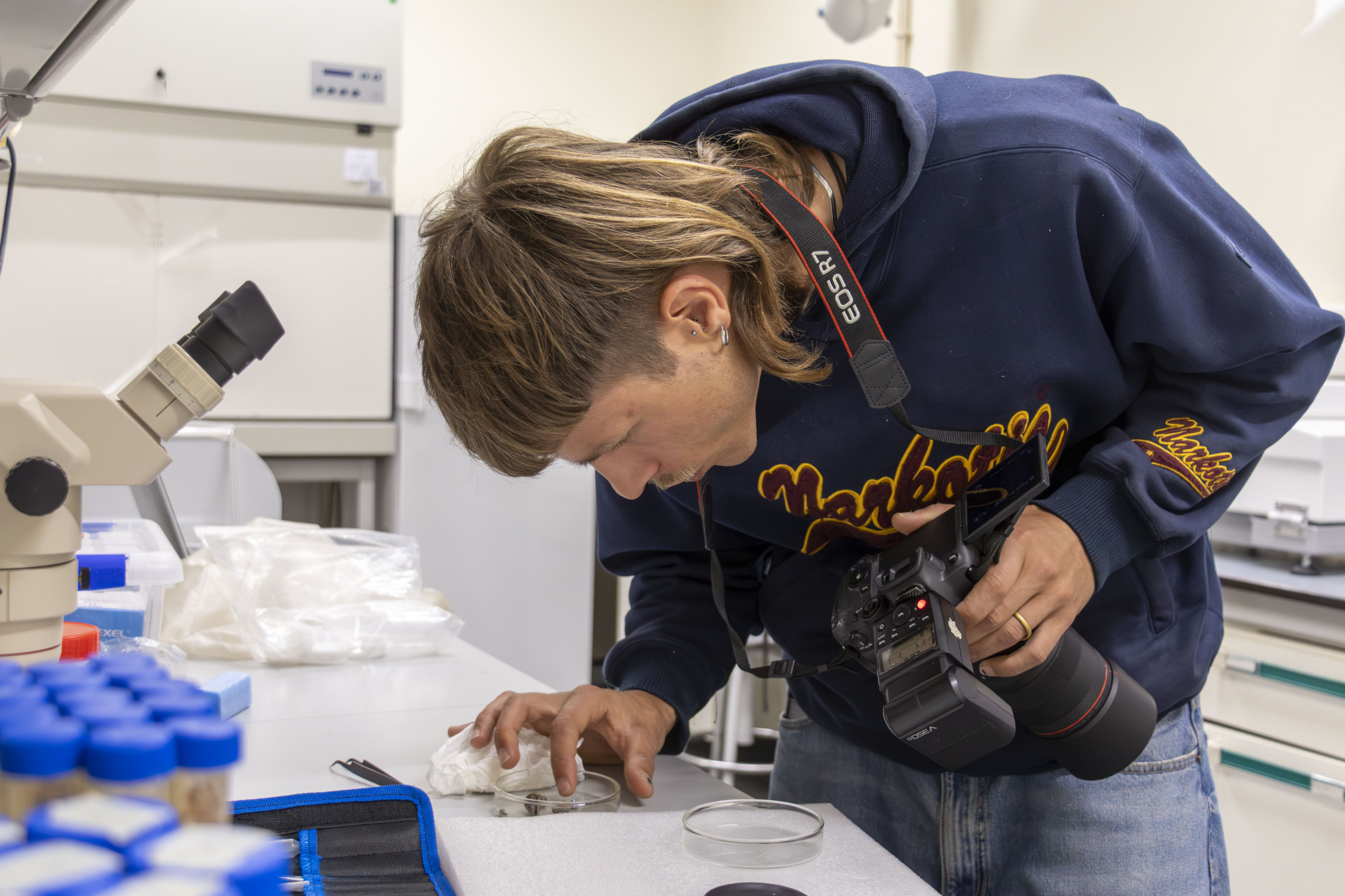
Leonardo Fusaro within the RestoreSeagrass project under the supervision of João Neiva and Duarte Frade

Manuela Cristaldi and Leonardo Fusaro, who worked within the RestoreSeagrass project under the supervision of João Neiva and Duarte Frade