
zfRESCUE
Project Summary
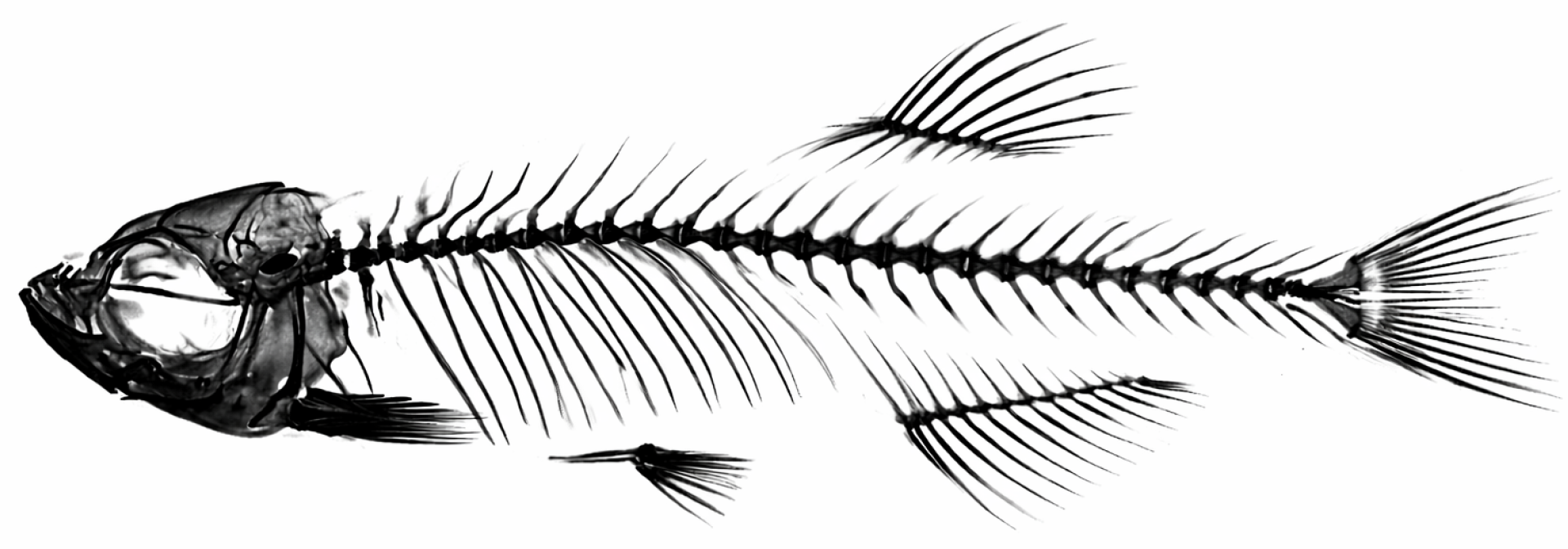
By using a zebrafish cdkl5 mutant, previously validated as a model for human CDKL5 deficiency disorder (CDD), as a first line of screening of two available libraries containing molecules already used for other purposes, we have identified 30 molecules capable of rescuing in part or totally the abnormal behavior phenotype of mutant cdkl5 fish. Our results also revealed deficits in motor neurons numbers, decreased bone formation leading to lower bone density and craniofacial malformations, microcephaly and abnormal production of sperm and oocytes leading to reduced viable offspring, a finding not previously reported for CDD. Treatment of the mutant fish with a selected set of candidate molecules identified in our screening confirmed their capacity to rescue some of these phenotypes. Our general aim now is to provide additional evidence to repurpose some of these molecules as potential candidates for treating CDKL5 deficiency disorder.

Rescuing functional defects in a zebrafish model of CDKL5 deficiency
Funding agencies
Project Activities


Funded by:

