
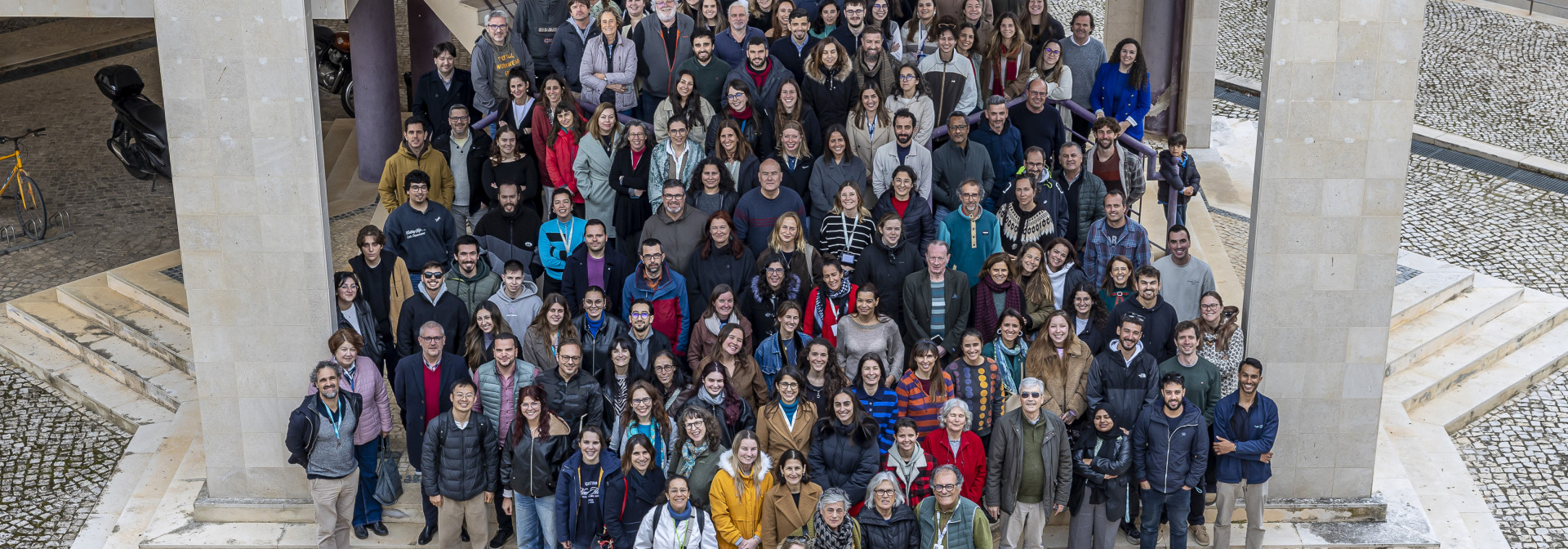
On 6 March, the Algarve Centre of Marine Sciences (CCMAR) celebrated its 35th anniversary. Over three and a half decades have now been dedicated to research, innovation, and a commitment to the ocean and its resources. Since 1991, CCMAR and its researchers have been studying marine ecosystems with the aim of understanding, protecting and sustainably exploiting them.
The celebrations took place from 2 to 6 March, beginning with a journey through time.
The history of CCMAR is the story of the individuals who have built their careers at the University of the Algarve. It is also the story of much of the science produced in Portugal, and of our deep roots in the Algarve.
Over the years, hundreds of researchers have worked on multidisciplinary projects to keep pace with the growth of scientific knowledge. Today, CCMAR is a nationally and internationally recognised centre for marine research. It is integrated into several international networks and maintains close ties with the local community.
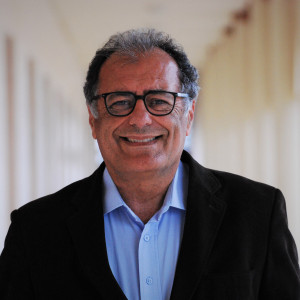
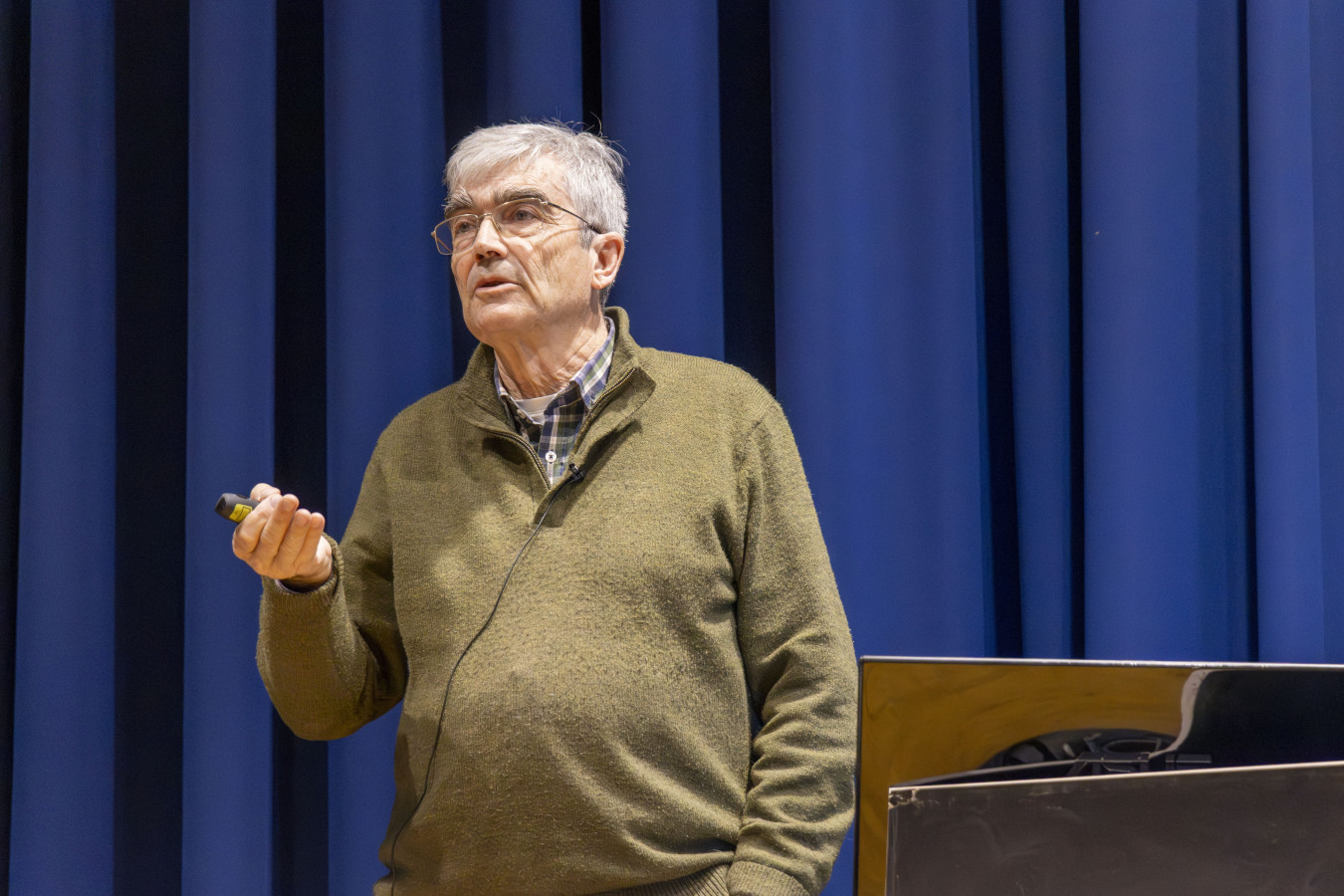
The programme also honoured the founding members, recognising the visionary role of those who established the centre. Among them was Karim Erzini, who had recently retired and inspired the audience with his return — not only to reflect on the past, but also to encourage the forward-thinking and enthusiastic CCMAR. During an open discussion about the sustainable management of fisheries and marine resources, he shared his experiences and prompted reflection on the challenges that lie ahead.
Beyond the celebrations, CCMAR reaffirmed its position and the societal impact of its research, emphasising that science is not conducted in isolation.
Engaging with society was a key part of the week. On 3 March, the 1st Fórum Mar Portugal brought together representatives from scientific institutions, companies linked to the blue economy, and political decision-makers. Hundreds of participants followed debates on the ocean as natural capital, the services provided by marine ecosystems, and the importance of well-informed public decisions based on scientific knowledge.
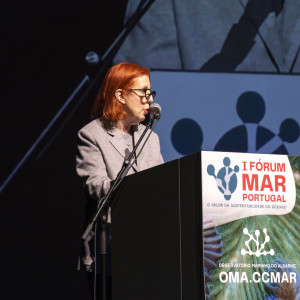
“The ocean is a strategic asset for all humanity."
Over the following days, CCMAR opened its doors to around a dozen journalists, who visited laboratories and met the research teams that have established the Centre as a unit of excellence in research. The diversity and impact of the research carried out at CCMAR was illustrated through fields such as marine conservation, microscopy, aquaculture, biotechnology, fisheries and biochemistry. “I had no idea that CCMAR’s research was so diverse, nor of the progress they have made in the last 30 years,” one of the visitors admitted.
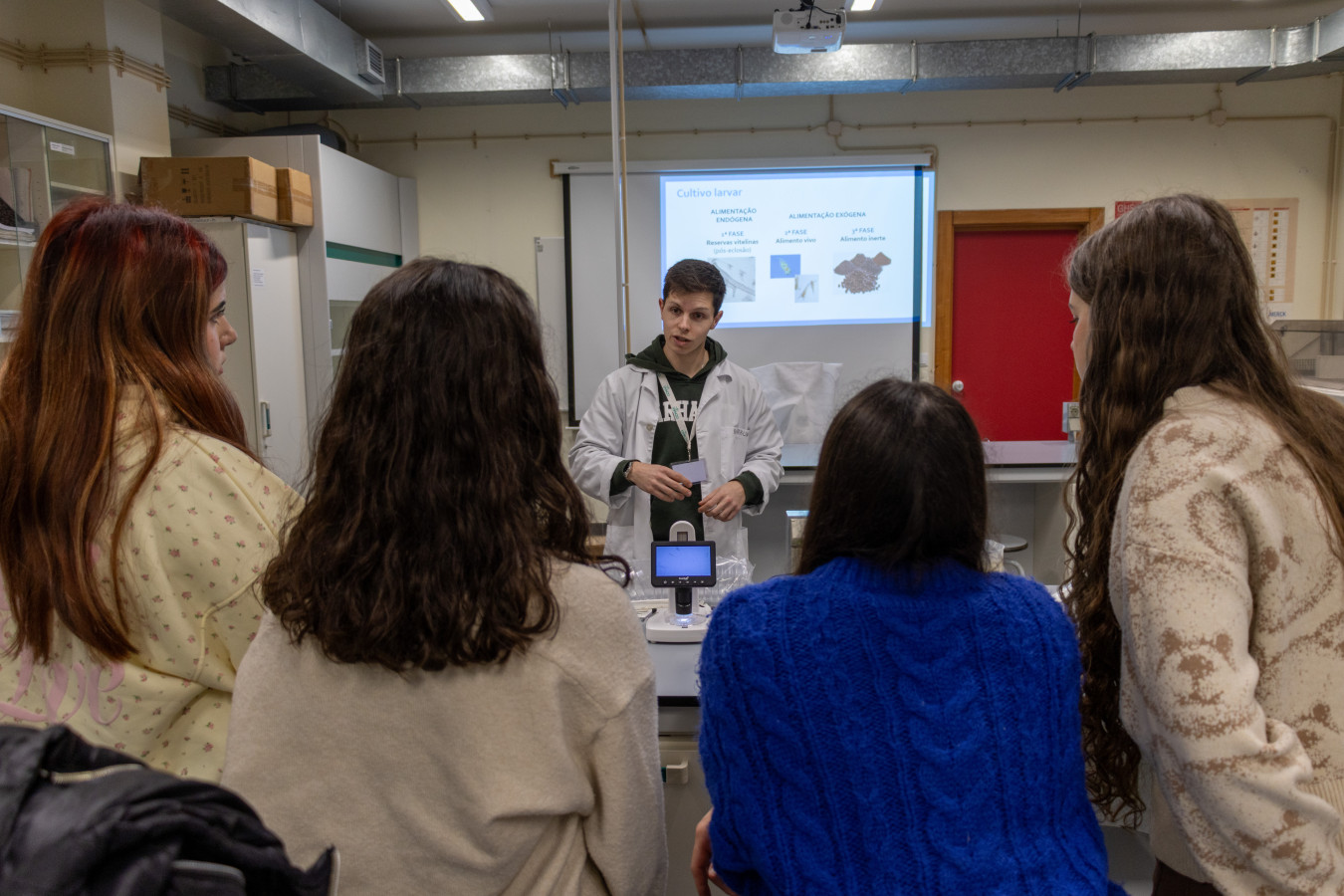
The second open day was dedicated to schools, emphasising that honouring the past is also about preparing for the future and nurturing the next generation. Around one hundred secondary school students took part in practical marine science activities and met researchers.
The week also included a seminar on marine microbiomes under environmental stress, organised by CIMAR-LA — a joint laboratory established a few years ago by CCMAR and CIIMAR. Led by Aschwin Engelen and Miguel Semedo, the seminar emphasised the significance of these invisible systems in maintaining ecosystem function and in helping us to understand the impact of environmental change.
The outcome of the week could not have been more positive. The CCMAR community has grown over the past 35 years, with people becoming an increasingly valuable asset.
Born from the vision of 13 founding researchers, the Centre has grown with new generations to become what it is today: a pioneering, entrepreneurial centre open to society.
CCMAR continues to help shape the future of the oceans, and everyone has played — and will continue to play — a part in this story.

