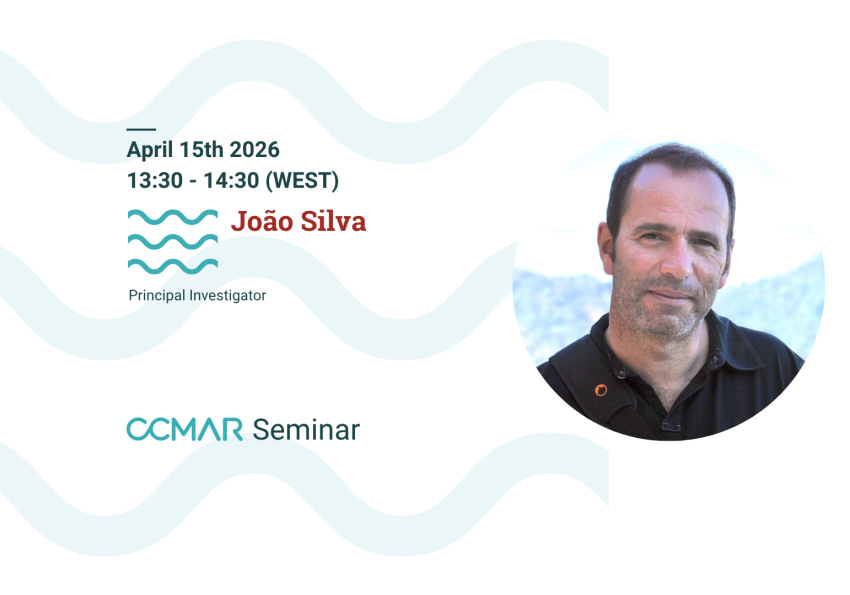
Somatostatin (SST) was first discovered in 1973 in sheep hypothalami as a 14 amino acid peptide which inhibited growth hormone release. Since then, new isoforms have been found and shown to be produced in multiple organs, including d-cells in the pancreas and gastric tract. SST has been shown to have multiple roles, including inhibition of cell proliferation and metabolic regulation, which are largely conserved among vertebrates. However, while mammals have two SST family genes, teleost fishes have six, including several isoforms. To explore the roles of SST genes, we generated CRISPR/Cas9-edited zebrafish mutant lines and characterised their phenotypes to elucidate gene functions.
We found a diverse set of SST direct and indirect functions, some of which are novel. While some SST functions stem from the SST antiproliferative activity, others can be ascribed to direct and indirect actions on specific transduction pathways and the cytoskeleton. The SST functions identified to date can be classified as developmental, metabolic, immune, and reproductive. These include regulation of pancreatic α- and β-cell proliferation, primordial germ cell proliferation and fecundity, maternal RNA regulation of embryonic cleavage and the intestinal inflammatory response. Given the evolutionary conservation of somatostatin signalling, several of these functions will likely be conserved across vertebrates.
About the speaker
Adelino V.M. Canario is Emeritus Professor at the University of Algarve and a distinguished professor at Shanghai Ocean University. He is president of the Algarve Centre for Marine Sciences (CCMAR), CIMAR Associated Laboratory, the BiP4Dab association (Biodata) and GreenColab - the Green Ocean Association.
His research interests are the endocrine control of puberty, adaptation to extreme and special environments, and the role of chemosensory biology in reproduction and behaviour.
He is a national representative and Chair of the European Marine Biological Resource Centre, a member of the national committee for Polar Research, and a national representative on the Scientific Committee for Antarctic Research (SCAR).
Eventos relacionados